Will corrugated galvanized metal rust? "Is a core question frequently asked in fields such as construction, agriculture, and industry. The answer is dialectical: under normal use environment and effective protection period, corrugated galvanized metal has excellent corrosion resistance and will not rust; However, from an absolute and long-term perspective, any galvanized metal ultimately has the possibility of rusting. Its ability to resist corrosion is not eternal, but depends on the powerful but not infinite barrier protection and electrochemical protection provided by the galvanized layer. To fully understand this, we must delve into the principles of galvanizing process, the role of ripple shape, the conditions under which corrosion occurs, and the key factors affecting its lifespan.
1. The cornerstone of defense: how galvanized layer endows steel with anti-corrosion ability
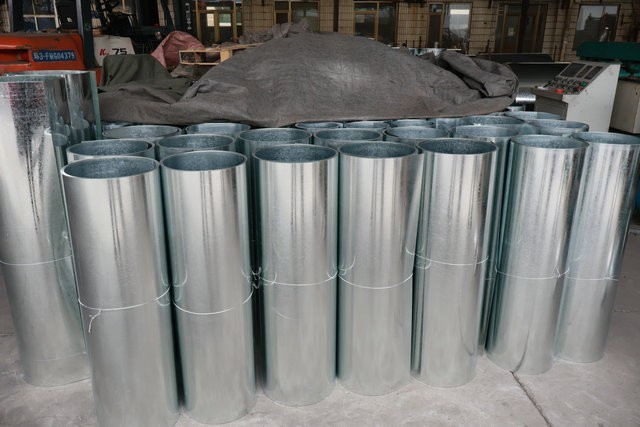
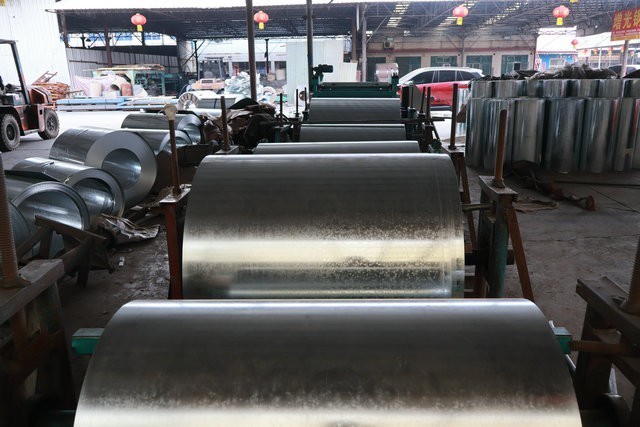
The anti rust core of corrugated galvanized metal lies entirely in the word "galvanizing". Galvanizing is the process of coating a clean steel substrate with a layer of zinc coating. This zinc layer protects the internal steel from corrosion through two synergistic mechanisms.
1. Barrier protection: physical isolation
The zinc layer first serves as a dense physical barrier, completely isolating the steel substrate from corrosive factors such as moisture, oxygen, electrolytes (such as salt) in the external environment. The rusting of steel is essentially electrochemical corrosion, which requires the joint participation of water and oxygen. As long as the zinc layer remains intact and thick enough, it can effectively prevent these media from coming into contact with steel, thereby fundamentally curbing the occurrence of rust. The zinc layer on the surface of corrugated galvanized sheet is uniform and continuous, and even the undulating parts of the ripples are fully covered through modern processes such as hot-dip galvanizing, ensuring the effectiveness of the barrier.
2. Sacrificial anode protection: electrochemical self sacrifice
This is the most exquisite aspect of galvanizing technology. In the metal activity sequence table, zinc is more reactive (chemically more reactive) than iron. When the surface of the galvanized layer exposes the underlying steel due to scratches, cutting, or wear, once an electrolyte solution (such as rainwater) covers this area, zinc and iron will form a microbattery. In this microbattery, active zinc is corroded as the anode, while relatively inactive iron is protected as the cathode. Zinc will first "sacrifice" itself, gradually dissolving to consume corrosive energy and prevent rusting of steel. This process will continue until the surrounding zinc layer is completely depleted before the steel begins to rust. This self sacrificing characteristic ensures that small scratches and cuts do not immediately cause the failure of corrugated galvanized sheets, greatly improving their durability and fault tolerance.
2. The beginning of corrosion: When and under what circumstances will corrugated galvanized metal rust?
Despite the dual protection, the rusting process of corrugated galvanized metal still starts, which usually follows a predictable sequence and conditions.
1. Self corrosion of zinc layer: consumption of the first line of defense
The galvanized layer itself will also react with the natural environment. In pure air, a dense and highly adhesive alkaline zinc carbonate protective film (commonly known as "white rust") forms on the surface of zinc, which can slow down further corrosion of zinc. However, in humid industrial or marine atmospheres containing sulfur dioxide or chloride ions (such as salt spray and deicing salts in coastal areas), the corrosion rate of zinc will significantly accelerate. The zinc layer will be consumed at a relatively slow but sustained rate. This consumption rate is a key parameter for evaluating the lifespan of corrugated galvanized sheets.
2. Local damage and concentrated corrosion
Although sacrificing anode protection can cope with small-scale damage, if the mechanical damage is severe and leads to extensive exposure of steel, the protective effect will be compromised. In addition, if the corrugated galvanized sheet comes into direct contact with other less reactive metals (such as copper and stainless steel) during installation and in a humid environment, it may form unfavorable galvanic corrosion, accelerating the consumption of the zinc layer near the contact point.
3. Final stage: Corrosion of steel substrate
When the surface zinc layer is completely consumed due to long-term corrosion or severe damage, and can no longer cover the steel substrate or provide effective sacrificial protection, the internal steel will be directly exposed to the environment. At this point, water and oxygen drive straight in, and classic rust (iron oxide) will form and rapidly spread. Once rust starts from a certain point, it will expand to the periphery, ultimately affecting the structural integrity of the entire board.
3. Key variables affecting durability: why is there a huge difference in lifespan under different environments?
To assert whether corrugated galvanized metal will rust, the following variables must be considered, which directly determine its "no rust" period.
Galvanized layer thickness: This is the most important factor. The thickness of the galvanized layer is usually expressed in grams per square meter (g/m 2) or micrometers (μ m). The thicker the layer, the more zinc it contains, and the longer it can be consumed, providing a longer protection period. Corrugated galvanized sheet used for outdoor construction typically has a high zinc layer weight to ensure decades of service life.
Environmental corrosiveness: The environment is the determining external force. According to ISO standards, atmospheric environments can be divided into the following categories, with varying degrees of corrosiveness:
Rural environment: clean air, low pollution, extremely slow corrosion rate of zinc layer, and longest lifespan.
Urban environment: There is slight sulfur dioxide pollution, and the corrosion rate is higher than in rural environments.
Industrial environment: Contains high levels of industrial pollutants such as sulfides and nitrogen oxides, which can form acid rain and significantly accelerate the corrosion of zinc and steel.
Marine environment: The air is rich in chloride ions, which can penetrate the surface facial mask of zinc and cause severe pitting corrosion. It is one of the most corrosive environments.
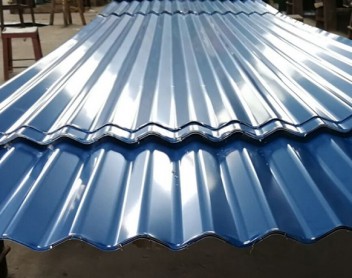
The double-sided nature of corrugated structure: The corrugated shape itself has a dual impact on corrosion resistance. From a positive perspective, ripples increase the rigidity of the board and allow rainwater to quickly drain away, reducing the time for accumulated water to stay, which is beneficial for rust prevention. On the other hand, the valleys and seams of the ripples may also become areas where dust, pollutants, and moisture accumulate. If left in a damp state for a long time, these areas may become the starting point of corrosion.

4. Conclusion: A long-term rather than permanent solution
In summary, corrugated galvanized metal is not a "mythical material" that will never rust, but a high-performance building material that has achieved an extremely long service life through advanced surface treatment technology. Its rust prevention ability is powerful and has been tested in practice, but its essence is a "consumable" protection. We understand its durability more accurately as a function of time - under given environmental conditions and zinc layer thickness, it can provide effective protection for up to 20 years, 50 years, or even longer.
Therefore, the most scientific answer to the question of "Will corrugated galvanized metal rust?" is that, within the design and expected service life, correctly selected, installed, and maintained corrugated galvanized metal can exhibit excellent corrosion resistance and is considered a material that will not rust. But from the ultimate perspective of materials science, as the zinc protective layer gradually depletes, it will eventually rust in the distant future. Recognizing this helps us to select suitable galvanized layer specifications more rationally based on specific application environments (such as whether they are coastal or industrial areas), and to maximize their rust free life through regular inspections, cleaning of accumulated materials, and simple maintenance, ensuring their long-term structural safety and aesthetics.

 Language


 Address:Bo Xing County, Shandong Province
 E-mail: