The integration of nanotechnology is triggering a profound transformation in the field of building and industrial insulation and anti-corrosion. As a cutting-edge product of this transformation, nano anti-corrosion insulation plate has gradually become the focus of industry attention due to its unique microstructure and excellent performance. So, what exactly is nano anti-corrosion insulation plate? How does it combine nanotechnology with traditional insulation and anti-corrosion concepts to create characteristics beyond conventional materials? This article will deeply analyze the definition, composition, and working principle of nano anti-corrosion insulation plate, presenting readers with a professional and in-depth science popularization journey.
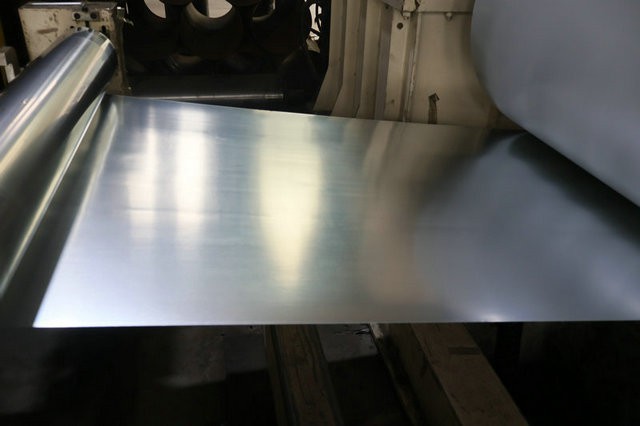
1. Definition and structure of nano anti-corrosion insulation plate
Nano anti-corrosion insulation plate is an innovative building material that uses metal substrates (such as galvanized steel plates and aluminum plates) as the core and composite multi-layer functional materials through nanotechnology. Its structure usually consists of four layers:
Substrate layer: made of galvanized steel or aluminum plate, providing structural strength and processing performance;
Polymer conversion layer: enhances the adhesion between the substrate and the functional layer to prevent delamination;
Spectral reflection insulation layer: Reflecting solar radiation through aluminum foil or nanoparticles to reduce heat conduction;
Nanomaterial layer: a nano coating containing weather resistance, acid and alkali resistance, forming a dense protective film.
This structure enables the board to have anti-corrosion, thermal insulation, fire prevention, sound insulation and other functions, with a service life of 2-3 times that of ordinary color steel plates. For example, in the application of roofs in chemical plants, nano anti-corrosion insulation plates can resist strong corrosive gases such as hydrochloric acid and sulfuric acid, and the substrate will not rust within 10 years, while ordinary color steel plates will have perforation after 2-3 years.
2. Core Technology: Breakthrough in Nanoscale Protection
The core advantage of nano anti-corrosion insulation plate comes from the application of nanotechnology:
Anti corrosion performance: Nano coating (particle size 1-100 nanometers) can fill the micropores on the substrate surface, forming a dense barrier to block the penetration of water, oxygen, and corrosive ions. Experimental data shows that its salt spray resistance test time exceeds 3000 hours, which is 5 times that of ordinary coatings.
Thermal insulation principle: The spectral reflection layer has a reflectivity of 70% -80% for visible light (0.38-0.76 μ m) and 75% -100% for infrared light (0.76-50 μ m), which can reduce indoor temperature by 8-12 ℃. In a logistics warehouse project in Guangdong, the use of nano anti-corrosion insulation plate reduced air conditioning energy consumption by 35% in summer.
Environmental Protection and Safety: The board does not contain harmful substances such as asbestos and formaldehyde, with a thermal conductivity of only 0.18-0.19W/(m · K), meeting Class A fire prevention standards and green building requirements.

3. Application scenario: Full coverage from industrial to civilian use
Nano anti-corrosion insulation plate, with its comprehensive performance, has penetrated into multiple fields:
Industrial sector:
Chemical and electroplating plants: resistant to acid and alkali gas corrosion, extending equipment life;
Steel and power plants: resistant to high temperatures (applicable from -40 ℃ to 150 ℃), reducing heat loss.
In the field of agriculture:
Farm: Insulation and heat preservation to reduce stress reactions in livestock and poultry;
Grain silo: moisture-proof and anti-corrosion, reducing grain mold.
Civilian field:
Light steel structure houses: thin and lightweight (thickness 0.5-1.2mm), easy to transport and install;
Commercial buildings: Sound insulation and noise reduction (weighted sound insulation ≥ 30dB) to enhance indoor comfort.
4. Comparative advantages with traditional materials
Compared with traditional materials such as foam sandwich board and ordinary color steel plate, nano anti-corrosion insulation plate has significant advantages:
Performance indicators
|
Nano anti-corrosion insulation plate
|
Ordinary color steel platex
|
Foam sandwich panel
|
Corrosion resistance
|
Over 10 years without corrosion
|
2-3 years perforation
|
Easy to age and crack
|
Thermal insulation effect
|
Cooling by 8-12 ℃
|
Reduce temperature by 3-5 ℃
|
Flammable and produces toxic gases
|
Service life
|
15-20 years
|
5-8 years
|
8-10 years
|
Comprehensive cost
|
Reduce by 40% -60%
|
High maintenance costs
|
Poor fire resistance performance
|
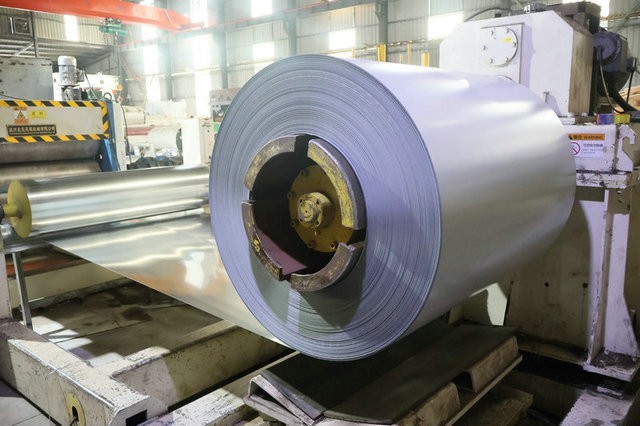
5. Future trend: benchmark for green building materials
With the promotion of the "dual carbon" goal, nano anti-corrosion insulation plate has become a key material for the transformation of the construction industry due to its energy-saving, environmental protection, and long service life characteristics. For example, a project in Xiong'an New Area has achieved a 25% reduction in carbon emissions throughout the building's lifecycle by adopting this board, and has obtained LEED Gold certification. In the future, with the iteration of nanotechnology, its performance will be further improved, and its application scenarios will also expand to extreme environments such as ocean engineering and polar scientific research stations.
In summary, nano anti-corrosion insulation plate has shown great potential for application in various fields such as construction and industry due to its unique nanostructure and excellent anti-corrosion and insulation performance. It not only effectively solves the problem of traditional materials being difficult to balance anti-corrosion and insulation, but also provides strong support for energy conservation, emission reduction, and improving the service life of buildings and equipment. Looking ahead to the future, with the continuous advancement of nanotechnology and the gradual reduction of costs, nano anti-corrosion insulation plates are expected to be applied in a wider range of fields, contributing an important force to promoting green buildings and sustainable development.

 Language


 Address:Bo Xing County, Shandong Province
 E-mail: