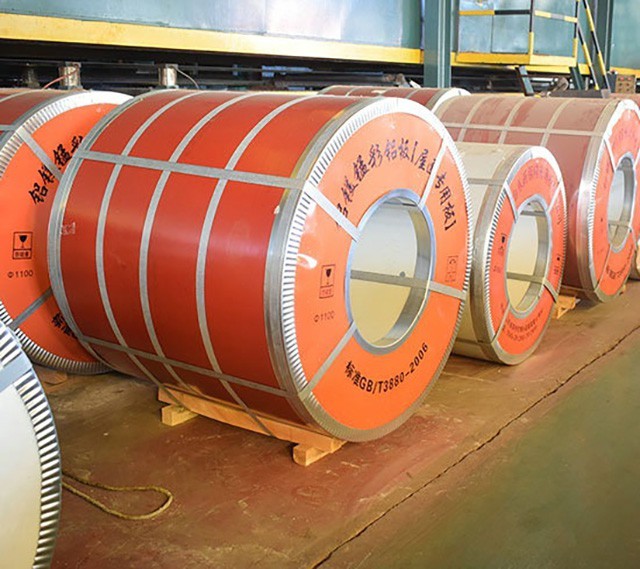
Aluminum magnesium manganese plate is a lightweight metal sheet with aluminum, magnesium, and manganese as the main alloying elements. With its excellent physical properties, processing performance, and weather resistance, it has become the mainstream material in the modern construction field, especially in roof and wall systems. This article will systematically analyze the core value of aluminum magnesium manganese sheet from four dimensions: material characteristics, classification system, application scenarios, and technological advantages
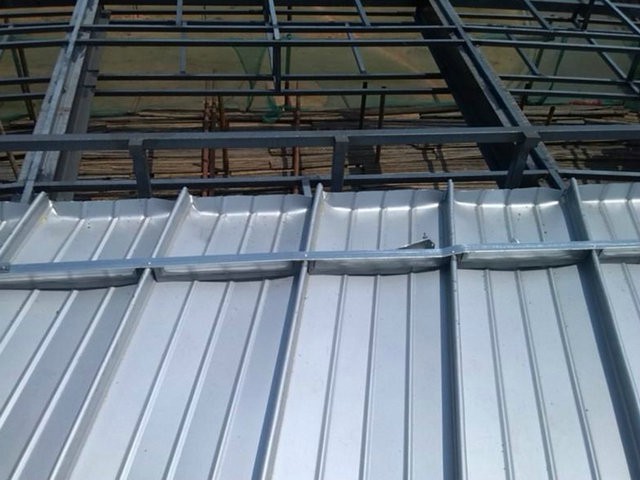
1. Analysis of Material Characteristics
1. Relationship between alloy composition and properties
|
Alloy Element
|
Content Range
|
Primary Function
|
Performance Impact
|
|
Aluminum (Al)
|
90%-97%
|
Matrix material
|
Provides lightweight property (density 2.7g/cm3)
|
|
Magnesium (Mg)
|
1%-2%
|
Strengthening phase formation
|
Enhances strength (tensile strength 150-280MPa)
|
|
Manganese (Mn)
|
0.8%-1.5%
|
Grain refinement
|
Improves formability (elongation 15%-30%)
|
Synergistic effect: Magnesium element forms Mg ? Si strengthening phase, while manganese element inhibits recrystallization, jointly enhancing the strength and toughness balance of the sheet.
2. Physical performance advantages
Lightweight: The unit area weight is only 5-8kg/m 2 (0.8mm thick), which is about one-third of that of traditional steel plates
Corrosion resistance: The surface naturally forms a dense oxide film (Al ? O3), and the salt spray test can reach 5000 hours without corrosion
Thermal expansion: Linear expansion coefficient of 23.2 × 10 ??/℃, good compatibility with concrete structures
Electromagnetic shielding: The shielding effectiveness for the 10kHz-1GHz frequency band reaches 40-60dB
2. Product classification system
1. Classified by surface treatment process
|
Type
|
Treatment Process
|
Characteristics
|
Application Scenarios
|
|
Mill Finish
|
Untreated aluminum base
|
Silver metallic luster
|
Interior decoration
|
|
Coated
|
Fluorocarbon/polyester coating
|
Rich color palette (1,000+ color options), 15-20 year weather resistance
|
Interior decoration
|
|
Embossed
|
Mechanical stamping
|
Wood/stone texture simulation
|
Cultural venues
|
|
Membrane-Laminated
|
Self-cleaning function, low maintenance
|
Self-cleaning function, low maintenance
|
Industrial plants
|
2. Classified by molding method
Tablet: Thickness 0.5-1.2mm, used for wall systems
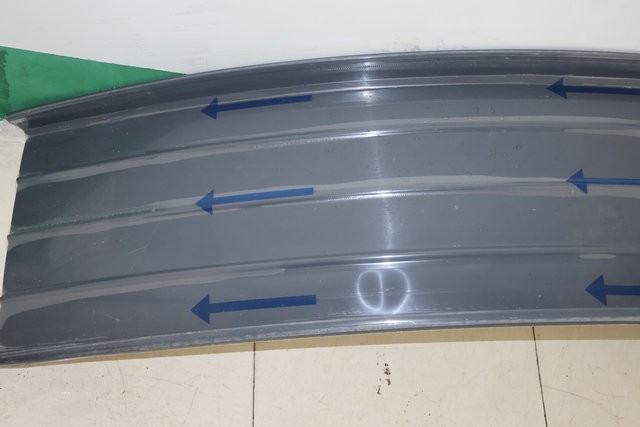
Corrugated board: wave height 15-75mm, excellent drainage performance
Vertical locking plate: bite type connection, good waterproof and sealing performance
Curved plate: minimum curvature radius of 500mm, suitable for irregular buildings
3. Core application scenarios
1. Building roof system
Airport Terminal: Beijing Daxing Airport uses 0.9mm thick aluminum magnesium manganese plates with a span of up to 120m and no central columns
Sports venues: The exterior of the "Ice Ribbon" of the National Speed Skating Oval uses anodized plates with a reflectivity of 85%
Industrial plant: The automobile manufacturing workshop adopts profiled plates, which improves construction efficiency by 40%
2. Curtain wall decoration system
Double curved curtain wall: the outer curtain wall of Shanghai center Building uses 3mm thick curved plates to achieve the spiral rise shape
Photovoltaic Integration: Shenzhen International Convention and Exhibition Center integrates BIPV modules, with a power generation efficiency of 18%
Acoustic Curtain Wall: Guangzhou Grand Theatre adopts perforated panels with a sound absorption coefficient of 0.9
3. Special environmental applications
Coastal region: A resort hotel in Hainan uses 5% aluminum magnesium manganese plate, which increases the resistance to chloride ion corrosion by three times
High cold region: Harbin Ice and Snow World adopts a low-temperature special formula, with no brittle fracture at -40 ℃
Corrosive environment: PVDF coating is used in chemical industrial park buildings, with an acid and alkali resistance level of GB/T 9274A
4. Analysis of Technical Advantages
1. Processing performance
Formability: It can achieve 90 ° cold bending without cracking, with a minimum bending radius of 1.5t (t is the plate thickness)
Weldability: TIG weld strength reaches 90% of the base metal, suitable for complex node connections
Cutting performance: plasma cutting edge oxide layer thickness ≤ 0.1mm
2. Connection technology
Mechanical bite: The upright locking edge system has a wind resistance of 5.4kPa
Sealing strip: EPDM rubber strip, weather resistance -50 ℃~150 ℃
Fixed bracket: made of stainless steel material, with a bearing capacity of ≥ 2.5kN/point
3. Energy saving benefits
Thermal performance: The heat transfer coefficient of 0.8mm thick plate is 1.8W/(m 2 · K), and when combined with insulation layer, it can reach 0.5
Full life cycle: Within 50 years of use, the carbon emissions per unit area are reduced by 65% compared to steel plates
Recycling value: The waste recycling rate of aluminum magnesium manganese plates is 98%, and the smelting energy consumption is only 5% of the initial refining
5. Selection and Design Points
1. Thickness selection:
Roof system: 0.8-1.0mm (in areas with a basic wind pressure of 0.5kPa)
Curtain wall system: 1.2-1.5mm (high-rise buildings)
Special environment: 1.5-2.0mm (coastal/chemical zone)
2. Coating selection:
Ordinary environment: Polyester coating (15 year warranty)
Marine climate: Fluorocarbon coating (25 year warranty)
Polluted area: self-cleaning coating (titanium dioxide photocatalysis)
3. Structural design:
Slope requirement: ≥ 3% (corrugated board can be relaxed to 1%)
Drainage spacing: ≤ 15m (gutter section modulus ≥ 800cm 3/m)
Temperature deformation: Reserved expansion joint width=calculated deformation x 1.5
6. Industry Development Trends
1. Material upgrade: Develop 6xxx series alloys containing rare earth elements, with strength increased to over 300MPa
2. Function integration: Research and development of photovoltaic integrated and phase change energy storage composite panels
3. Intelligent manufacturing: Applying BIM technology to achieve parametric design, with error control within ± 1mm
4. Green certification: Through LEED v4.1 certification, the carbon footprint has been reduced to 3.2kgCO ? e/m 2
Aluminum magnesium manganese plate, as a new generation of building metal materials, is promoting the development of functional and intelligent building surfaces due to its characteristics of "lightweight, high strength, durability, environmental protection, and free styling". When designing and selecting, environmental loads, service life, and full lifecycle costs should be comprehensively considered to achieve the best balance of technical and economic feasibility.

 Language


 Address:Bo Xing County, Shandong Province
 E-mail: