
 Language


More Language
Language
Galvanized plate is a metal material that prevents rust and corrosion by covering the surface of steel plates with a layer of zinc, which is widely used because of its good anti-corrosion properties and high cost performance. However, in actual use, galvanized plates may still rust due to environmental factors. In order to protect the galvanized plate and prolong its service life, the following section describes how to prevent galvanized plate from rusting and how to treat it after rusting.
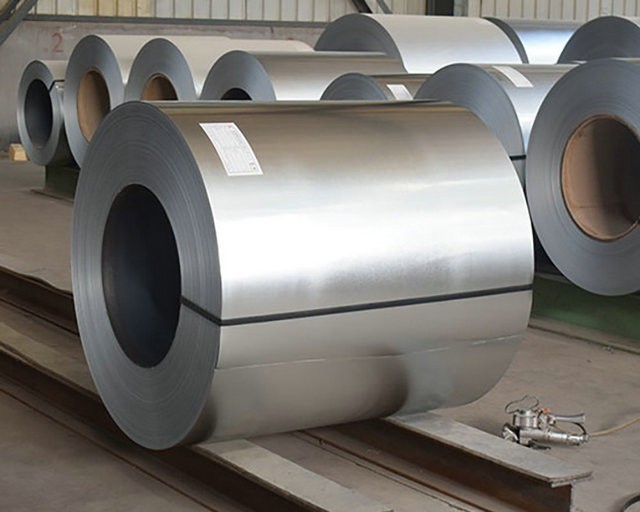
(1) Damage to the galvanized layer: Since zinc has excellent anti-corrosion properties, a layer of zinc on the surface of a steel sheet can effectively prevent rusting. However, if the galvanized layer is damaged, the underlying iron will be exposed, which will lead to rusting.
(2) Defects in the galvanized layer itself: In the process of galvanizing, if there are defects such as long bubbles, blisters, sparseness and oxidized skin, it will have an effect on the quality of the galvanized layer, which will lead to rusting.
(3) Environmental factors: galvanized plate is easy to rust in a humid environment, because high humidity and sufficient oxygen will make the galvanized layer lose its original anti-corrosion properties, leading to rust.
(4) Electrochemical corrosion
When the galvanized plate is in direct contact with dissimilar metals such as copper and aluminum, it will form a proto-cell reaction and accelerate the local rusting.
The protective effect of the galvanized layer, mainly relying on the following two mechanisms:
(1) Barrier protection
The zinc layer serves as a physical barrier to isolate the air and moisture from direct contact with the steel, thereby delaying corrosion.
(2) Sacrificial anode protection
Since the electrode potential of zinc is lower than that of iron (-0.76V vs. -0.44V), zinc is preferentially oxidized to produce dense alkaline zinc carbonate in the electrochemical reaction ( Zns(OH). (COз)?), which effectively protects the underlying steel plate from corrosion.
For example: in a neutral environment, each 1μm thickness of the zinc layer can provide about 1-2 years of protection, so industrial applications are often selected according to the environment of different coating thickness (Z120, Z275, etc.).
-Avoid mechanical damage:During transportation, handling and installation, soft gaskets should be used to avoid scratching or impact.
-Specification of cutting:When cutting galvanized plate, high-speed cutting tools should be used and rust-proof paint should be applied in time to avoid rusting of the exposed parts of the incision.
-Painting protection:Coat the surface evenly with antirust oil, which can isolate air and moisture. This method is suitable for storage and transportation, commonly used in export packaging.
-Passivation: Generate passivation film on the surface of zinc layer through chemical reaction. Common methods include chromate passivation (effective, but with more environmental restrictions) and chrome-free passivation (good environmental performance, suitable for most applications).
-Coating protective paint: when used in corrosive environments, the surface of the galvanized plate can then be coated with epoxy paint, polyurethane paint, etc., to form a double protection.
-Reduce humidity: the rate of corrosion rises significantly when the relative humidity exceeds 60%, it is recommended that the warehouse is equipped with dehumidifiers to keep the humidity ≤ 50%.
-Regular cleaning: acidic pollutants (such as sulfur dioxide in industrial areas) need to be cleaned once a month with a neutral cleaner (pH 6-8).
Salt residue (coastal area) needs to be rinsed with fresh water at a frequency of 1 time per week.
-High-temperature environment: zinc is easy to oxidize above 60℃, need to change to aluminum-zinc alloy coating (e.g. 55% aluminum-zinc, temperature resistance up to 300℃).
-Chemical corrosion: when exposed to acid and alkali liquids, it is recommended to increase PVC lining or change to 316L stainless steel fasteners.
Through the above methods, the service life of galvanized materials can be extended by 3-5 times. The actual application needs to dynamically adjust the protection strategy according to the environmental testing data (such as salt spray test results).
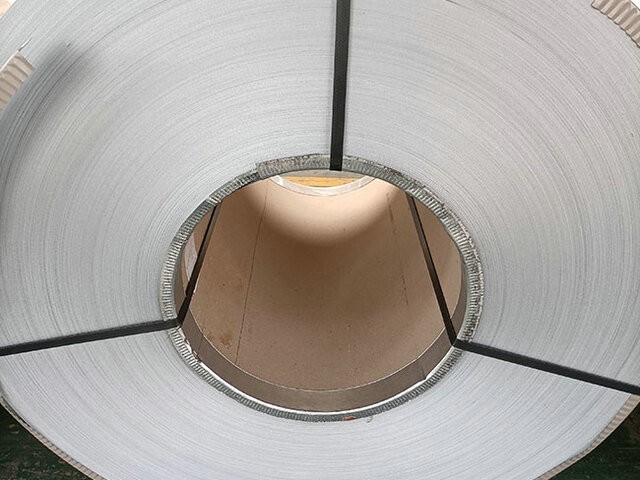
Correct installation is also the key to avoid rusting of galvanized plates. Pay attention to the following points when installing galvanized plate:
-Avoid damaging the galvanized layer: during installation, avoid damaging the galvanized layer because once the galvanized layer breaks down, rusting will occur very quickly.
-Correctly handle the seams: During installation, the seams and joints of the plates should be correctly handled to avoid the entry of moisture and air.
-Use the right screws:During installation, choose the right screws and nuts to make sure they can fix the plates well.
-Construction environment control:Avoid construction in rainy or humid environment to reduce the risk of initial corrosion.
-Joints treatment:Waterproof sealing should be done at the joints of the panels to avoid water vapor stagnation for a long time.
-Fastener selection: Choose galvanized or stainless steel screws to avoid galvanic corrosion caused by dissimilar metal contact.
-Installation: Avoid construction in rainy days or humid environment to reduce the risk of initial corrosion.
If the galvanized plate appears rusty, users can take the following measures to deal with it:
(1) Clean the surface: first use a brush, sandpaper or cleaner to remove rust and pollutants from the surface of the galvanized plate. When cleaning, care should be taken not to excessively wear the galvanized layer, so as not to affect its anti-corrosion properties.
(2) sanding treatment: for slight rusty parts, you can use sandpaper or sanding tools to gently sand, remove the rust layer and restore the finish of the galvanized plate. After sanding, the surface should be wiped with a clean cloth to remove residual dust and particles.
(3) Apply antirust paint: After cleaning up the rust, apply antirust paint on the surface of the galvanized plate, which can effectively prevent further rusting. When choosing antirust paint, attention should be paid to its compatibility with galvanized plate as well as its anticorrosion properties. When applying antirust paint, make sure the coating is even and of appropriate thickness to improve the corrosion protection effect and prolong the service life.
(1) Avoid contact with other metals: If the galvanized layer is often in contact with other metals, a battery will be formed, which will lead to rusting. Therefore, when storing and using items with galvanized layers, avoid contact with other metals as much as possible.
(2) Avoid high-temperature environments: High-temperature environments can cause the galvanized layer to lose its antirust effect and even accelerate rusting. Therefore, avoid high temperature environment when storing and using.
(3) When used outdoors, it is recommended to combine with secondary protective measures such as spraying and laminating to extend the service life.
In summary, galvanized plate itself has excellent anti-corrosion properties, but its durability is not “indefinite”. Through reasonable storage, scientific installation, surface treatment and regular maintenance, can significantly extend its service life, usually than unprotected steel to extend more than 3-5 times. For galvanized plates that have already rusted, they should be cleaned, sanded and coated and repaired in time to avoid the expansion of rust. In the construction, automotive, home appliances and other industries with high requirements for corrosion protection, a reasonable choice of coating thickness and protection is the key to ensure the long-term stability of galvanized plate performance.
China galvanized plate manufacturer: Boxing Shuangshengda Steel specializes in galvanized sheet, galvanized steel plate,Colour steel plate etc.We have a full range of product specifications and types, low prices, and more than 20 years of experience, worthy of your trust

 Address:Bo Xing County, Shandong Province
 E-mail: