
 Language


More Language
Language
Galvanized steel plates are widely used in various fields such as construction, transportation, energy, and communications due to their superior corrosion resistance and high cost-effectiveness. Whether in urban infrastructure development or rural housing renovation, galvanized steel plates an irreplaceable role. However, when exposed to prolonged outdoor conditions of wind, rain, and environmental corrosion, how long does its service life truly last? This article provides a detailed analysis from five perspectives: the working principle of galvanized steel plates, factors affecting their lifespan, effective methods for extending longevity, and typical application scenarios.
The corrosion resistance of galvanized steel plates primarily relies on two mechanisms: “barrier protection” and “sacrificial anodic action.” First, the zinc layer covering the steel surface forms a physical barrier, effectively preventing direct contact between air, moisture, and other corrosive agents and the underlying steel substrate, thereby delaying the rusting process. Second, since zinc has a lower electrode potential than iron, when the zinc layer is damaged, zinc undergoes electrochemical corrosion preferentially, thereby shielding the steel substrate from rusting—this is known as the cathodic protection effect.
It is precisely this “dual protection mechanism” that enables galvanized steel plates to demonstrate excellent durability in outdoor environments.
Galvanized steel plates, as a metal material with excellent corrosion resistance, are widely used in outdoor environments. However, their service life is not fixed but influenced by multiple factors.
Zinc coating thickness is one of the key indicators for evaluating the performance of galvanized sheets. A thicker zinc coating provides more effective corrosion protection, extending the service life of galvanized steel plates. This advantage is particularly pronounced in humid, acidic, or highly corrosive environments.
- A 40g/m2 zinc coating typically lasts 15-20 years in standard conditions;
- An 80g/m2 coating extends this lifespan to over 30 years under the same conditions;
- A zinc coating of 120g/m2 or higher remains stable even in harsh environments, with a lifespan far exceeding that of ordinary products.

The inherent quality of the steel plays a fundamental role in the service life of galvanized steel plates. High-quality steel exhibits superior corrosion resistance, reducing the likelihood of corrosion and thereby extending the product's lifespan. Therefore, when selecting galvanized steel plates, opt for products of superior quality.
Beyond zinc layer thickness, coating quality and production techniques significantly impact service life. High-quality coatings deliver superior corrosion protection, while advanced manufacturing processes ensure uniformity and consistency, enhancing overall performance.
- Dry inland environments: Low corrosion risk, with service life extending up to 40-50 years;
- Coastal areas: Chloride ions in sea breezes accelerate corrosion, potentially reducing lifespan to 20-25 years;
- Industrial zones: High levels of acidic and alkaline gases in the air typically reduce lifespan to 15-20 years.
Failure to regularly clean dust and acidic deposits increases susceptibility to zinc layer damage. Conversely, periodic cleaning and prompt repair of scratches can significantly extend service life.
The lifespan of galvanized steel plates is primarily determined by the protective function of the zinc coating. According to the American ASTM A123 standard, the average lifespan of galvanized steel plates in typical atmospheric environments (such as urban or rural areas) is:
(1) Normal environments (low corrosion): 40-50 years, with a zinc coating thickness ≥85μm (e.g., indoors or in dry climates).
(2) Moderate corrosion environments: 25-30 years, such as coastal areas or industrial zones, requiring a zinc coating ≥100μm.
(3) High corrosion environments: 15-20 years, such as chemical plants or salt spray zones, necessitating additional protective measures.
Professional Data Source: Research by the International Zinc Association (IZA) indicates galvanized coatings corrode at a rate of approximately 1-2μm per year. Thus, coating thickness directly determines service life. For example, an 85μm coating protects steel for about 50 years in low-corrosion environments (85 ÷ 1.5 ≈ 56 years).
Prioritize steel sheets with zinc coatings ≥120μm (e.g., G90 standard), especially for outdoor or humid environments.
- Remove surface contaminants with neutral detergent every six months to prevent acidic/alkaline residue buildup.
- Inspect for white rust (zinc corrosion products) and wipe promptly with a soft cloth.
Coating the galvanized layer with epoxy or polyurethane topcoats can extend service life by 10-15 years (refer to NACE International anti-corrosion standards).
Use rubber spacers during installation to avoid scratches. Prevent impacts during transportation. Promptly retouch zinc-based coatings on damaged zinc layers.
- Avoid prolonged contact with seawater or deicing salts. Use aluminum-zinc alloy steel sheets (e.g., AZ150, offering 20% longer lifespan than pure zinc) when necessary.
- Maintain ventilation to reduce condensation buildup in humid environments.
For extreme environments (e.g., offshore platforms), a dual “galvanizing + cathodic protection” solution can extend service life to over 60 years (per ISO 12944 standard).
Galvanized steel plates are not only durable but also widely used across multiple sectors due to their cost-effectiveness and versatility:

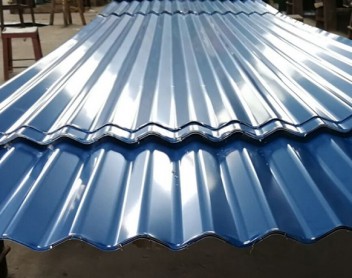
(1) In the construction industry, galvanized steel plates are commonly employed as roofing and wall materials. Their excellent corrosion resistance effectively withstands atmospheric moisture, acids, alkalis, and other corrosive substances, extending the service life of buildings. Whether in commercial or residential buildings, galvanized steel plate roofing and cladding deliver a clean, aesthetic appearance while providing waterproofing and thermal insulation.
(2) In transportation, particularly automotive manufacturing, galvanized steel plate is a preferred material. Vehicle bodies extensively utilize galvanized steel plate to withstand road corrosion factors like rainwater, silt, and salt. This enhances rust resistance, reduces maintenance costs, and improves vehicle quality and safety.
(3) In home appliance manufacturing, galvanized steel plates find extensive application. Appliance exteriors like refrigerators and washing machines often utilize these sheets, which not only provide a premium aesthetic finish but also maintain stability in humid environments, preventing moisture damage to internal components.
(4) In agriculture, galvanized steel plates are used for constructing greenhouses, storage facilities, and similar structures. Their corrosion resistance adapts to complex rural environmental conditions, ensuring long-term usability of these facilities.
As green building and sustainable development concepts gain widespread adoption, the longevity of galvanized steel plates has risen to greater prominence. Future trends primarily manifest in:
Aluminum-zinc coatings (55% Al-Zn), offering 2-6 times greater corrosion resistance than traditional pure zinc coatings, are becoming the preferred choice for coastal construction.
Sensors monitor galvanized layer corrosion for “predictive maintenance,” preventing sudden failures.
Reducing harmful elements like lead and cadmium while developing greener surface treatment processes aligns with global carbon neutrality goals.
In summary, the outdoor service life of galvanized steel plates typically ranges from 15 to 40 years, depending on zinc coating thickness, environmental conditions, and maintenance practices. With scientifically selected materials and proper upkeep, their lifespan fully meets the demands of most architectural and industrial applications. With ongoing advancements in corrosion protection technology, galvanized steel plates will remain a primary outdoor metal material in the future, providing longer-lasting safety assurance for buildings and infrastructure.
China galvanized plate manufacturer: Boxing Shuangshengda Steel specializes in galvanized sheet, galvanized steel plate,Colour steel plate etc.We have a full range of product specifications and types, low prices, and more than 20 years of experience, worthy of your trust

 Address:Bo Xing County, Shandong Province
 E-mail: