
 Language


More Language
Language
In modern urban construction and engineering projects, the use of fencing facilities has become a crucial means to ensure safety, maintain order, and enhance the environment. Among these, metal fencing plates, with their stable structure, excellent durability, and flexible application methods, have gradually replaced traditional wooden or plastic fences to become widely used isolation facilities nationwide. Whether in road construction, building projects, or at temporary exhibitions and large-scale events, metal fencing plays a vital role with its unique advantages. This article will introduce metal fencing from its fundamental concepts, material properties, core advantages, application scenarios, installation and maintenance, to environmental trends, helping readers gain a better understanding.

As the name suggests, metal fence plate is a continuous barrier constructed primarily from steel or aluminum alloy components. It typically consists of three parts:
- Fencing panels: Provide isolation and screening functions.
- Support posts: Form the structural framework, ensuring overall stability.
- Connectors: Secure panels to posts, enhancing structural integrity.
Their primary functions include: isolating construction zones to prevent unauthorized access and ensure safety; minimizing noise and dust leakage to reduce impact on nearby residents; serving as warning barriers to alert pedestrians and vehicles to avoid the area; and, in certain scenarios, functioning as advertising media to enhance commercial value. In urban settings, high construction density and numerous projects drive strong demand for metal fencing. Compared to temporary, easily damaged plastic barriers, metal fencing offers superior structural integrity. Its height and length can be flexibly adjusted as needed, and it allows for rapid installation and dismantling, making it suitable for both long-term projects and temporary events.
Metal fence plate primarily utilizes steel or aluminum alloy as base materials.
- Steel barriers: Often treated with galvanization or coating for rust prevention, making them suitable for long-term use in humid or rainy environments.
- Aluminum alloy barriers: Lightweight for easy transport and installation, while naturally corrosion-resistant.
These materials perform exceptionally well in climates with distinct seasons, withstanding natural challenges like intense sunlight, rain erosion, and freezing temperatures. Additionally, fence plate offers the following material advantages:
- High impact resistance: Resists bending or fracturing even under external collisions;
- High malleability: Can be fabricated into various shapes and specifications as required;
- Diverse surface treatments: Spraying, galvanizing, baking paint, and other processes ensure an aesthetically pleasing and durable finish.
The foremost advantage of fence plate lies in its exceptional strength. Metal possesses outstanding tensile and compressive strength, effectively resisting external forces and providing robust protection for enclosed areas. Whether for residential properties, industrial facilities, or public infrastructure, metal fencing delivers reliable security.

Another notable characteristic of metal fence plate is its durability. With proper maintenance, metal fencing can last for decades without needing replacement. This longevity not only reduces maintenance costs but also ensures the stability and reliability of the fencing system.
Metal materials possess good malleability, allowing them to be easily processed into various shapes and sizes to meet different fencing design requirements. Additionally, the installation of fence plate is relatively simple and quick, further enhancing its appeal as a fencing material.
Beyond functionality and durability, metal fencing also offers high aesthetic value. Through different surface treatments (such as spraying, galvanizing, etc.), metal fencing can present a variety of visual effects, harmoniously blending with the surrounding environment and even becoming part of the landscape.
The design flexibility of fence plate is another reason for its popularity. Depending on different usage scenarios and safety requirements, fence plate can be designed in various styles and specifications. For example, in residential communities, aesthetically pleasing and secure fence plate not only protects residents' safety but also enhances the overall image of the community.
Metal fence plate has extensive application scenarios nationwide:
- Municipal road construction: Used to isolate construction areas and ensure traffic safety;
- Construction sites: Shielding noise and dust during operations;
- Large-scale event venues: Temporarily demarcating functional zones to maintain order;
- Residential communities: Some fence plate serves decorative purposes, enhancing environmental aesthetics;
- Factories and warehouses: Functioning as permanent barriers to elevate safety management standards.
These scenarios share common requirements: safety, durability, visual appeal, and convenience—all of which metal fencing effectively fulfills.
When installing metal fence plate, first assess site conditions to ensure the ground is level and stable. Support posts should be buried to a specified depth and secured with concrete to enhance stability. Fasteners must be tightened to prevent loosening. Routine maintenance includes: - Regularly inspecting surface coatings for damage and promptly repairing to prevent rust; - Cleaning the fence surface to remove dirt and debris; - Checking structural integrity after strong winds or severe weather. During rainy seasons, pay special attention to drainage to avoid corrosion caused by water accumulation. Proper installation and maintenance extend the service life of metal fencing and reduce replacement frequency.
With the widespread adoption of sustainable development principles, the eco-friendliness of metal fencing is increasingly prioritized.
- Recyclability: Metal fence plate materials are 100% recyclable, meeting green building material standards.
- Reusability: Modular designs facilitate disassembly and reuse, minimizing waste.
- Eco-friendly Coatings: Manufacturers increasingly adopt low-VOC coatings to reduce environmental pollution.
- Smart Innovations: Future metal barriers may integrate solar power, LED lighting, and intelligent monitoring systems, combining safety, energy efficiency, and technology.
These trends not only meet current market demands but also inject new growth momentum into the industry.
As a modern isolation facility integrating safety, durability, aesthetics, and environmental friendliness, metal barrier plates play a vital role in construction projects nationwide. From urban roads to construction sites, and from temporary events to long-term barriers, metal fencing has become an indispensable part of construction and management due to its stable performance and flexible design. With technological advancements and deepening environmental awareness, future metal fence plate will become smarter and greener, providing superior solutions for urban development and project management.
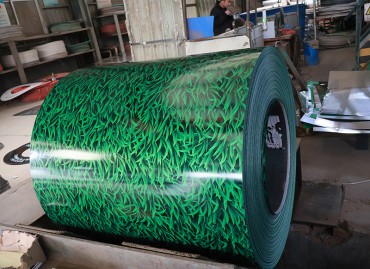
China galvanized plate manufacturer: Boxing Shuangshengda Steel specializes in galvanized sheet, galvanized steel plate,Colour steel plate etc.We have a full range of product specifications and types, low prices, and more than 20 years of experience, worthy of your trust
 Address:Bo Xing County, Shandong Province
 E-mail: