
 Language


More Language
Language
In the world of building materials, metal plates have always held a significant position. From traditional galvanized steel plates and stainless steel plates to various high-performance alloy materials, innovation in the construction industry has never ceased. Among numerous metal plates, aluminum-magnesium-manganese plates have gradually become the mainstream choice for building roofing and wall systems due to their excellent comprehensive properties, lightweight yet high-strength structural characteristics, and outstanding weather resistance. What advantages do aluminum-magnesium-manganese plates offer? Below is an in-depth analysis from multiple perspectives.

Aluminum-magnesium-manganese plates feature an aluminum matrix alloyed with precise amounts of magnesium and manganese, forming a unique metallic microstructure. In natural environments, their surface rapidly develops a dense protective aluminum oxide layer. This layer effectively blocks oxygen and moisture from penetrating the plate interior, significantly enhancing corrosion resistance. Compared to ordinary steel plates, which rust easily in humid environments and typically last only 10-15 years, aluminum-magnesium-manganese plates can withstand decades of corrosion even in harsh conditions like acid rain or coastal salt spray. Their service life reaches 30-50 years, making them particularly suitable for buildings demanding high corrosion resistance, such as coastal structures and chemical plants.
- Lightweight and High Strength: With a density approximately one-third that of steel, aluminum-magnesium-manganese plates offer significant weight reduction, facilitating transportation and construction while effectively lowering building load-bearing requirements and foundation costs. Simultaneously, they exhibit excellent strength and toughness, capable of withstanding substantial loads and deformation, playing a vital role in structural engineering. For instance, in large-scale stadium roofing projects, aluminum-magnesium-manganese plates satisfy the structural demands of large spans while reducing roof weight and overall construction costs.
- Excellent Formability: These plates exhibit outstanding formability, allowing them to be processed into complex shapes to meet diverse design requirements. Whether it's curved roofs, double-curved surfaces, or unique irregular structures, aluminum-magnesium-manganese plates can be easily realized, imparting distinctive aesthetic appeal to buildings. In contrast, steel plates have poorer ductility and are prone to cracking or deformation during complex shaping, limiting architectural design possibilities.
Aluminum-magnesium-manganese plates are recyclable eco-friendly materials. During building demolition or renovation, the plates can be recycled and reprocessed into various aluminum products, significantly reducing resource waste and environmental pollution. In contrast, traditional metal plates like galvanized steel may release harmful substances during recycling, causing environmental contamination. As environmental awareness grows, the eco-friendly advantages of aluminum-magnesium-manganese plates enhance their market competitiveness.
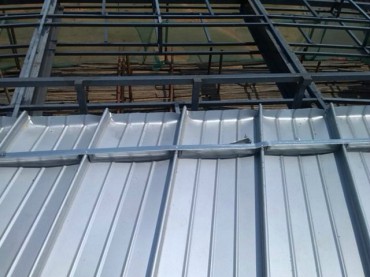
Aluminum-magnesium-manganese panels utilize interlocking or seaming connections, eliminating the need for complex welding processes. Construction is straightforward and highly efficient. Workers can swiftly install panels using specialized tools like electric seaming machines, significantly shortening project timelines. For instance, in the roofing construction of a large commercial building, using aluminum-magnesium-manganese panels can save 30%–40% of construction time compared to traditional steel plates, offering a significant advantage for projects with tight schedules.
Aluminum-magnesium-manganese panels adapt to diverse climatic conditions and building structures, performing reliably in both frigid northern regions and hot, rainy southern areas. They can be integrated with various insulation, thermal barrier, and waterproofing materials to form comprehensive building envelope systems, meeting diverse functional requirements. Furthermore, their thermal expansion coefficient closely matches most building materials, minimizing deformation and cracking during temperature fluctuations to ensure structural stability and safety.
Although the unit price of aluminum-magnesium-manganese panels is slightly higher than that of ordinary steel plates, their lightweight nature reduces transportation and installation costs. Their excellent ductility lowers processing expenses, and their rapid construction speed shortens project timelines, further saving labor costs. Overall, the initial investment cost of aluminum-magnesium-manganese panels does not significantly exceed that of traditional metal plates, remaining within an acceptable range.
Aluminum-magnesium-manganese panels exhibit outstanding corrosion resistance and stability, making them less prone to damage during use. Consequently, they require minimal maintenance frequency and incur low upkeep expenses. In contrast, standard steel plates necessitate regular anti-corrosion treatments and rust repairs, resulting in higher maintenance costs. Over the long term, the cost-effectiveness advantage of aluminum-magnesium-manganese panels is highly evident, enabling significant savings for building owners.
Aluminum-magnesium-manganese panels can undergo various surface treatments, such as fluorocarbon spraying and anodizing, to achieve rich colors and textures that meet the demands of diverse architectural styles. Whether complementing modern minimalist designs or classical, dignified structures, these panels seamlessly integrate to enhance buildings with unique visual appeal. Moreover, their surface treatments offer excellent durability, resisting color fading to maintain the building's aesthetic appeal over time, thereby enhancing its overall quality and value.

Thanks to their user-satisfying performance, aluminum-magnesium-manganese panels are widely used across multiple construction sectors:
(1) Large Public Buildings: Airport terminals, convention centers, stadiums, and other large-span structures frequently utilize aluminum-magnesium-manganese panels, meeting structural demands while enabling distinctive architectural forms.
(2) Commercial Buildings: Shopping malls, hotels, office towers, and other commercial structures benefit from these panels, elevating building prestige while reducing long-term operational costs.
(3) Industrial Buildings: Factory facilities and logistics warehouses utilize aluminum-magnesium-manganese panels to effectively resist corrosive gases in industrial environments, extending the building's service life.
(4) Transportation Facilities: Roofing systems for transportation structures like high-speed rail stations, subway stations, and bus hubs increasingly incorporate aluminum-magnesium-manganese materials.
(5) Cultural and Educational Buildings: Museums, libraries, schools, and other cultural/educational structures achieve a renowned blend of architectural artistry and functionality with aluminum-magnesium-manganese panels.
(6) Specially Shaped Buildings: For structures requiring complex curved surfaces or irregular designs, the excellent formability of aluminum-magnesium-manganese materials makes them the preferred choice.
Although aluminum-magnesium-manganese plates are renowned for being “maintenance-free,” proper care can extend their service life:
(1) Regular Inspections: Conduct thorough inspections at least once annually, focusing on joints, fasteners, and areas prone to water accumulation. Address any issues promptly.
(2) Cleaning Methods: Generally, rinsing with clean water suffices to remove surface dust. For stubborn stains, use a neutral cleaner with a soft cloth—never employ strong acidic or alkaline cleaners.
(3) Snow Accumulation Management: In snowy regions, promptly clear roof snow to prevent structural overload from localized heavy accumulation.
(4) Repair Principles: For localized damage, use repair patches made of the same material as the original panels. For extensive damage, replace the entire panel.
(5) Drainage System Maintenance: Regularly clean the roof drainage system to ensure rainwater flows freely and prevent water accumulation from corroding the panels.
(6) Professional Maintenance: For complex repairs, contact a professional construction team to ensure repair quality.
From performance to aesthetics, from cost-effectiveness to environmental sustainability, aluminum-magnesium-manganese panels demonstrate formidable competitiveness across all dimensions—this is why they stand out among numerous metal sheet materials. As the construction industry continues to evolve, these panels will undoubtedly play an increasingly vital role in future architectural applications. Leveraging their inherent advantages, they will deliver more visually appealing, durable, and eco-friendly building solutions, becoming an indispensable key material in the urban architecture of tomorrow.
China galvanized plate manufacturer: Boxing Shuangshengda Steel specializes in galvanized sheet, galvanized steel plate,Colour steel plate etc.We have a full range of product specifications and types, low prices, and more than 20 years of experience, worthy of your trust
 Address:Bo Xing County, Shandong Province
 E-mail: