
 Language


More Language
Language
In modern construction projects and industrial plant buildings, color steel tiles are widely used in roofing, walls, and enclosure structures due to their lightweight, high strength, ease of installation, and aesthetic appeal. However, many users notice after several years of use that the color of the tiles appears to have faded, and the surface luster is not as bright as when first installed. This raises questions: Do color steel tiles fade? Why do they fade? How can fading be delayed?
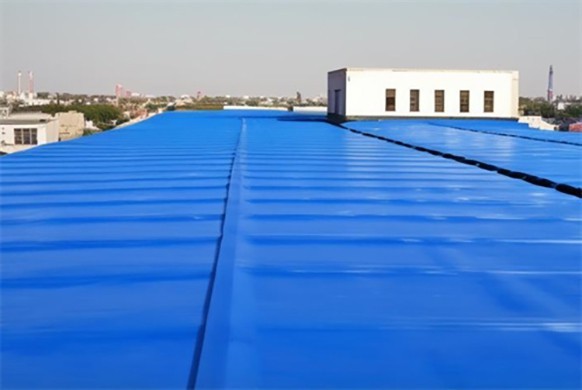
Color steel tiles, also known as color steel roofing tiles, are metal building materials formed by chemically pre-treating galvanized steel sheets or aluminum-zinc coated steel sheets, applying an organic coating, and curing at high temperatures. They combine the strength of metal with the aesthetic appeal and corrosion resistance of organic coatings, making them an indispensable component in modern steel structure building systems.
Common specifications based on application include:
- Roofing tiles: Used for building roofs in factories, warehouses, stadiums, etc.
- Wall panels: Used for exterior wall decoration and protection.
- Profiled sheets: Mechanically pressed into corrugated shapes to enhance structural strength and drainage performance.
Available in diverse colors like ocean blue, silver gray, brick red, and cream white, color steel tiles offer aesthetic appeal and flexible coordination with architectural styles.
A high-quality Color Steel Tile typically consists of three layers:
(1) Base Metal Layer: Made of hot-dip galvanized or aluminum-zinc coated steel, providing primary mechanical strength and rust resistance.
(2) Chemical Conversion Layer: Enhances adhesion between the coating and the metal substrate while improving corrosion resistance.
(3) Organic Coating: Composed of resin coatings like polyester (PE), silicone-modified polyester (SMP), or fluorocarbon (PVDF), which determine the tile's color, gloss, and weather resistance.
This organic coating not only imparts vibrant hues but also serves as a crucial protective barrier for the metal substrate. However, over time, this coating may be affected by external environmental factors, leading to fading.
The answer is: Yes.
But the rate and degree of fading depend on multiple factors. Generally, standard polyester (PE) color steel tiles will show slight color changes after 5 years of outdoor use; while high-end color steel tiles with fluorocarbon (PVDF) coatings maintain excellent color stability even after over ten years of outdoor use.
The fading of color steel tiles is fundamentally a result of coating aging. Over time, environmental factors such as solar ultraviolet radiation, acidity/alkalinity of rainwater, temperature fluctuations, and industrial pollutants degrade the pigments and resins within the coating, leading to color lightening and reduced gloss.
(1) Ultraviolet Radiation: UV rays in sunlight are the primary factor causing fading. UV radiation breaks chemical bonds within the coating, causing pigments to decompose or oxidize, resulting in color weakening. Roofing in sun-exposed areas or high-altitude regions is more prone to fading.
(2) Acid Rain and Chemical Corrosion: Sulfides and nitrogen oxides in acid rain react with the coating, causing surface loss of gloss or even peeling. Industrial zones and coastal areas with high salt content in the air exhibit stronger corrosion, resulting in relatively shorter service life for color steel tiles.
(3) Temperature and Humidity Fluctuations: Environments with significant day-night temperature variations and high humidity can cause micro-cracks or blistering in the coating. This compromises pigment stability and accelerates fading.
(4) Low-Quality Coatings or Manufacturing Defects: Using inferior coatings during production, failing to meet baking temperature standards, or inadequate pretreatment reduces coating adhesion, making color degradation more likely.
(5) Operating Environment and Contaminant Accumulation: Long-term buildup of dust, oil, moss, etc., absorbs moisture and impurities, causing electrochemical corrosion that accelerates surface aging of color steel tiles.
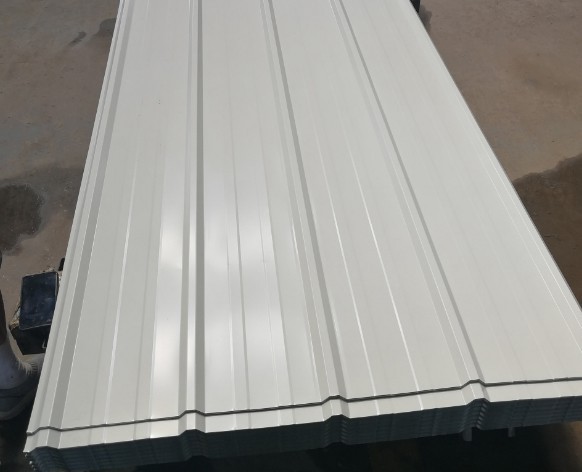
- Polyester (PE): Average
- Silicone-modified Polyester (SMP): Good
- Polyvinylidene Fluoride (PVDF): Excellent
- Fluorocarbon + Nano-composite Coating: Superior
- Polyester (PE): 3–5 years
- Silicone-modified Polyester (SMP): 8–10 years
- Polyvinylidene Fluoride (PVDF): 15–25 years
- Fluorocarbon + Nano-composite coating: Over 25 years
- Polyester (PE): Indoor use, standard regions
- Silicone-modified polyester (SMP): Urban buildings, mild climates
- Polyvinylidene fluoride (PVDF): High-temperature, humid, coastal environments
- Fluorocarbon + Nano-composite coating: High-end curtain walls, specialized industrial zones
This demonstrates that color steel tiles with PVDF or nano-protective coatings exhibit superior performance in UV resistance, chalking resistance, and fade resistance, making them particularly suitable for outdoor and highly corrosive environments.
Color steel tile fading typically presents in the following forms:
(1) Color lightening: The hue gradually loses saturation and becomes dull.
(2) Surface loss of gloss: Luster diminishes, transforming the surface from shiny to matte.
(3) Localized mottling: Uneven fading across different areas creates a speckled appearance.
(4) Chalking: Fine powder appears on the coating surface, leaving residue when touched.
These changes typically start at edges or highly exposed areas and gradually spread across the entire panel.
(1) Select High-Quality Materials: Choose premium Color Steel Tile with PVDF or SMP coatings. Though slightly more expensive, these offer more stable long-term performance and lower maintenance costs.
(2) Optimize design and installation: Roof pitch, drainage slope, and shading conditions all influence color steel tile exposure. Proper design minimizes direct UV exposure and water pooling corrosion.
(3) Perform regular cleaning and maintenance: Clean the roof every 6–12 months to remove dust, grease, salt deposits, and other contaminants, significantly slowing surface aging. Use neutral cleaners; avoid strong acids or alkalis.
(4) Prevent Mechanical Damage: Avoid scraping the coating with metal objects during construction or maintenance. Promptly touch up scratched areas to prevent corrosion spread.
(5) Guard Against Chemical Contamination: Implement additional protective measures near chemical plants, acid/alkali storage facilities, etc., such as installing protective films or using higher-grade coatings.
Generally, the actual service life of different types of Color Steel Tile is as follows:
- Standard PE color steel tiles: Approximately 5–8 years;
- SMP color steel tiles: Approximately 10–15 years;
- PVDF color steel tiles: Up to 20+ years.
Under normal maintenance conditions, the service life of color steel tiles depends not only on the material itself but also on environmental factors, construction quality, and regular upkeep. Timely maintenance ensures sustained protective and decorative performance.
If color steel tiles show significant fading or loss of gloss, the following measures can be taken:
(1) Surface Cleaning and Repainting: For mild fading, clean the surface and reapply weather-resistant paint.
(2) Local Replacement: If the coating is severely chalking or peeling, replace the affected color steel tiles.
(3) Anti-corrosion reinforcement: Apply protective coatings or cover damaged areas with protective films to extend overall service life.
- Application of high-weather ability nano-coatings: Enhance UV resistance and self-cleaning properties through nano particle-enhanced coatings;
- Self-healing coating technology: Microcapsule materials enable automatic repair of damaged coatings;
- Smart color-changing materials: Automatically adjust reflectivity based on light or temperature to improve energy efficiency;
- Eco-friendly production processes: Adopting chromium-free chemical treatments and low-VOC coatings to reduce environmental pollution.
The adoption of these technologies will significantly enhance color steel tiles' fade resistance and overall service life, ensuring their long-term competitiveness in the building roofing materials sector.
Overall, fading in color steel tiles represents a natural aging process rather than a quality defect. With high-quality materials, proper installation, and regular maintenance, color steel tiles can maintain excellent appearance and protective performance for over 10 years. For projects requiring superior weather resistance and extended service life, PVDF fluorocarbon-coated color steel tiles or nano-corrosion-resistant color steel tiles are recommended. Thanks to their outstanding structural strength, aesthetic appeal, and cost-effectiveness, color steel tiles will remain an irreplaceable key material in future building roofing and wall systems.
China galvanized plate manufacturer: Boxing Shuangshengda Steel specializes in galvanized sheet, galvanized steel plate,Colour steel plate etc.We have a full range of product specifications and types, low prices, and more than 20 years of experience, worthy of your trust
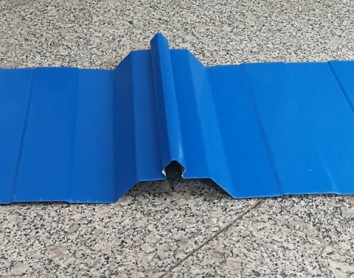
 Address:Bo Xing County, Shandong Province
 E-mail: