
 Language


More Language
Language
Color steel plates, as a material widely used in construction, home appliances, advertising, and other fields, are favored by various industries due to their advantages of being lightweight, corrosion-resistant, and highly decorative. However, whether color steel plates fade or lose their luster over time has become a significant concern for many. Particularly in the construction industry, the appearance and durability of color steel plates directly impact a building's aesthetics and long-term service life. This article will delve into the causes of color steel plate fading, influencing factors, and methods to extend their lifespan.
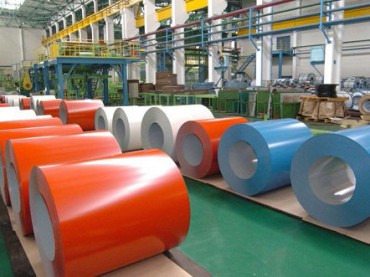
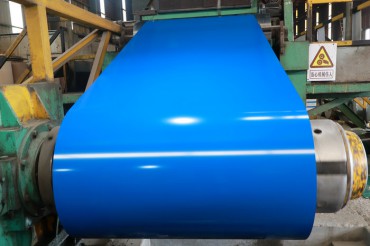
Color steel plates are steel plates treated with a surface coating, typically achieved by applying coatings such as polyester or fluorocarbon to the steel surface, forming a protective layer. Commonly used in building exteriors, roofs, fences, and billboards, their outstanding decorative properties and excellent corrosion resistance make them indispensable in modern construction.
Surface coatings for color steel plates can be categorized into various types, including polyester (PE), fluorocarbon (PVDF), and acrylic coatings. The quality and weather resistance of each coating type differ, consequently affecting the plate's fading rate and durability.

The fading of color steel plates primarily involves multiple factors including physicochemical reactions within the coating, external environmental influences, and coating quality. Specifically, the causes of fading can be categorized as follows:
Ultraviolet (UV) radiation is one of the primary causes of color steel plate fading. Prolonged exposure to UV rays triggers photolysis reactions in the dye molecules within the coating, causing the color to gradually fade or lighten. UV intensity is closely related to geographical location, climatic conditions, and duration of sunlight exposure. In regions with intense sunlight, color steel plates tend to fade more rapidly. UV radiation also induces structural changes in coating molecules, accelerating paint aging and reducing gloss.
The coating on color steel plates primarily consists of paint bonded to a metal substrate (such as steel plate). The metal material on the coating surface is prone to oxidation reactions when exposed to oxygen and moisture, particularly in humid environments. This oxidation causes the coating color to fade and may result in surface discoloration or corrosion. Oxidation not only affects the coating's appearance but can also weaken its protective properties, exposing the underlying steel substrate and accelerating the corrosion process.
During prolonged use, color steel plates are exposed to environmental factors like air pollution, acid rain, and chemical substances, which may accelerate coating aging and fading. For instance, acidic substances in acid rain react with the coating, corroding its surface and causing loss of gloss and color. Additionally, gas pollution and salt spray in industrial areas can compromise coating stability. Particulate pollutants deposited on the coating surface increase abrasion, reduce UV resistance, and accelerate fading.
Temperature variations also affect color fading in color steel plates. In high-temperature environments, pigment molecules within the coating may undergo chemical reactions due to thermal expansion, causing the coating to fade or yellow. Extreme temperature fluctuations (such as thermal expansion and contraction) can cause coating cracks, allowing moisture and oxygen to infiltrate between the coating and steel substrate, thereby accelerating coating aging and fading. Low temperatures in cold regions may also induce coating cracks, further hastening fading.
The rate of color fading in color steel plates is directly related to coating quality. High-quality coatings typically contain higher levels of UV absorbers, corrosion inhibitors, and antioxidants, providing superior resistance to UV radiation and other environmental factors. Low-quality coatings, especially those without specialized treatments, are prone to fading and peeling. Poor adhesion in inferior coatings makes them susceptible to environmental erosion, accelerating color loss.
Over time, the surface coating of color steel plates inevitably experiences natural wear, particularly without regular maintenance. Prolonged exposure to sunlight and rain causes gradual coating degradation and fading. Environmental dust, grime, and pollutants accumulate on the surface, diminishing the coating's luster. Therefore, periodic cleaning and maintenance help slow the fading process of color steel plates.
The rate of color fading in color steel plates is closely related to their geographic location and climatic conditions. For instance, in areas with intense direct sunlight and high humidity, the fading process occurs more rapidly. Conversely, in arid regions with limited sunlight exposure, the fading rate is slower. Coastal areas, characterized by higher airborne salt content, also accelerate the corrosion and fading of color steel plate coatings.
Different coating types exhibit varying levels of weather resistance and UV protection. For instance, fluorocarbon coatings (PVDF) offer exceptional weather resistance and UV protection, resulting in a longer service life and slower fading rate compared to polyester coatings (PE). Therefore, selecting color steel plates with higher-quality coatings can significantly delay fading.
The thickness of the surface coating also influences fading rates. Thicker coatings offer superior weather resistance and UV protection, effectively delaying discoloration. Color steel plates with excessively thin coatings are more susceptible to UV radiation and environmental erosion, leading to accelerated fading.
The environment where color steel plates are used significantly impacts their fading rate. For instance, in coastal areas, salt in the air accelerates coating aging; in regions with severe industrial pollution, gaseous pollutants also hasten coating fading. Therefore, selecting appropriate coating types and maintenance measures can effectively extend the service life of color steel plates.
Although color fading occurs over time, selecting high-quality materials and employing scientific usage and maintenance methods can effectively extend service life and minimize fading.
(1) Select Premium Coatings: Choosing color steel plates with high-quality coatings is an effective way to delay fading. High-quality fluorocarbon and polyester coatings offer superior weather resistance and UV protection compared to lower-grade coatings, maintaining an appealing appearance during prolonged outdoor exposure. Fluorocarbon coatings, in particular, significantly reduce fading due to their exceptional UV resistance and corrosion resistance.
(2) Regular Maintenance and Cleaning: Periodic surface cleaning removes dust, stains, and other unsightly substances. Faded areas can be restored to their original luster and color through repainting or similar methods. Routine inspections and cleaning prevent harmful buildup on the coating, avoiding accelerated fading.
(3) Avoid Exposure to Intense UV Light: Minimize exposure of color steel plates to strong sunlight, particularly during midday when UV radiation is intense. Shading or installing sun-blocking devices reduces UV damage to the coating, thereby slowing the fading rate. Additionally, UV absorbers and UV-resistant materials within the coating can effectively enhance weather resistance.
(4) Corrosion Protection: For color steel plates in coastal or highly polluted environments, consider corrosion-resistant treatments like galvanizing or aluminizing. These processes enhance corrosion resistance and aging resistance, reducing fading. Such treatments also effectively counteract corrosion from humid climates, extending the service life of the steel plates.
(5) Selecting Appropriate Coating Processes: When applying coatings, choosing high-quality paints and spraying techniques can significantly improve coating adhesion and UV resistance, delaying fading. For paint selection, opt for coating types that meet modern environmental standards and offer excellent weather resistance to ensure long-term stability during use.
Color steel plates find extensive application in modern construction and manufacturing, serving as the material of choice across numerous industries due to their unique aesthetic appeal and durability. However, the issue of fading over time cannot be overlooked. Through proper coating selection, regular maintenance, and scientific usage, the fading of color steel plates can be significantly delayed, extending their service life. With technological advancements and the emergence of new coatings, future color steel plates will become more durable, effectively controlling fading to provide users with a longer-lasting and aesthetically pleasing experience.
China galvanized plate manufacturer: Boxing Shuangshengda Steel specializes in galvanized sheet, galvanized steel plate,Colour steel plate etc.We have a full range of product specifications and types, low prices, and more than 20 years of experience, worthy of your trust
 Address:Bo Xing County, Shandong Province
 E-mail: