
 Language


More Language
Language
Among metal building materials, corrugated galvanized steel plates are widely used in various applications such as industrial plant roofs, warehouse structures, carports, fencing systems, agricultural greenhouses, and residential building renovations due to their high strength, lightweight nature, ease of installation, and excellent weather resistance. However, many users face a core question when selecting materials: Can corrugated galvanized steel plates rust? What factors influence rusting speed? How can their service life be extended? This article provides an in-depth analysis of these key points to help users make more informed decisions and implement proper maintenance practices.
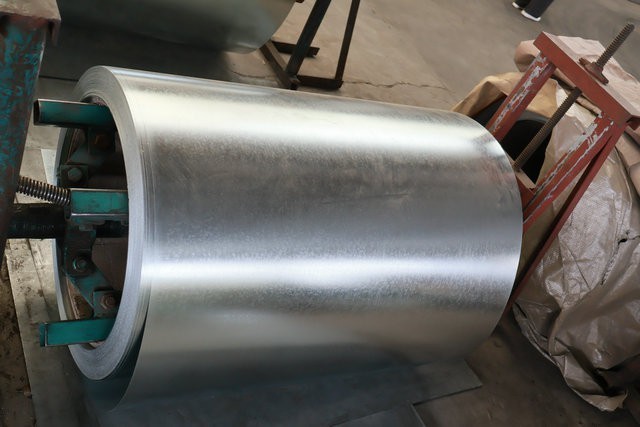
Corrugated galvanized steel plates are manufactured by coating ordinary carbon steel plates with a layer of metallic zinc through hot-dip or electro-galvanized processes. These plates are then mechanically pressed into a corrugated profile. The corrugated structure not only enhances load-bearing capacity and bending resistance but also improves structural stability while maintaining lightweight properties. Consequently, corrugated galvanized steel plates have long served as a vital material for roofing, wall cladding, and structural enclosures.
The galvanized coating protects the steel from direct exposure to air and moisture, slowing oxidation and corrosion. The corrugated form facilitates efficient drainage during installation, further reducing corrosion risks from water accumulation.
To answer “whether it rusts,” we must first understand the corrosion protection mechanism of the galvanized coating.The zinc layer protects steel plates through two primary mechanisms:
(1) Physical barrier protection: The zinc coating covers the steel surface, blocking contact with oxygen, moisture, and corrosive substances, thereby reducing oxidation reactions.
(2) Electrochemical protection (sacrificial anode effect): Zinc has a lower electrochemical potential than iron. When the coating is scratched or damaged, zinc oxidizes first, shielding the steel substrate from corrosion.
In other words, even with minor damage to the coating, zinc will rust before iron, delaying corrosion of the steel. This is a key reason galvanized steel plates can withstand long-term outdoor use.
Answer: They will not rust quickly under normal usage conditions, but they are not rust-proof forever.
Reasons are as follows:
- The zinc layer gradually depletes over time;
- Prolonged exposure to humid environments, salt spray, acid rain, or high concentrations of industrial corrosive gases accelerates oxidation of the galvanized layer;
- If the zinc coating is too thin or mechanically damaged, the steel plate will begin to corrode once it comes into direct contact with water and oxygen.
Therefore, the rust resistance of corrugated galvanized steel plates is relative, and its rust-proof lifespan depends on the thickness of the zinc coating and the environmental conditions of use.
(1) Excellent Corrosion Resistance: The zinc coating on the steel surface effectively isolates the base material from air and moisture, slowing the rate of rust and corrosion. This provides strong corrosion resistance, enabling adaptation to diverse usage environments.
(2) High Strength and Rigidity: The corrugated design enhances structural strength and rigidity. Compared to flat steel plates of equivalent weight, it can withstand greater pressure and loads without deformation.
(3) Aesthetic Appeal: The small corrugation pattern gives the plate a distinctive appearance with decorative qualities, making it suitable for buildings and facilities requiring visual appeal.
(4) Lightweight: Galvanized corrugated steel plates feature relatively thin thicknesses and low weight, facilitating handling, installation, and construction while reducing labor intensity and project costs.
(5) Excellent Formability: Through processes like roll forming and bending, these plates can be easily fabricated into components of various shapes and dimensions to meet diverse engineering requirements.
(1) Construction Industry: Widely used in roofs, walls, and floors of industrial and civil buildings, such as roofing and wall cladding for factories, warehouses, stadiums, exhibition halls, as well as temporary structures and simple housing.
(2) Agricultural Sector: Suitable for constructing greenhouse roofs and walls to provide optimal growing environments for crops, and also for building agricultural warehouses, livestock sheds, and similar facilities.
(3) Transportation Industry: Applied in simple bridges, tunnel linings, highway noise barriers, and container manufacturing, providing effective structural support and protective functions.
(4) Other Fields: Also used for manufacturing equipment housings and protective covers, as well as components like chutes and hoppers in mining and chemical industries.
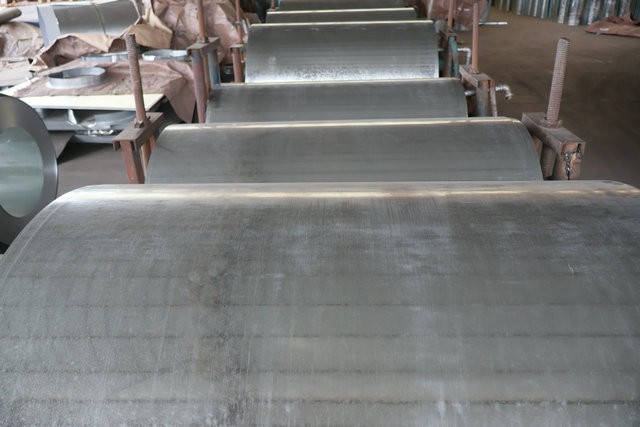
- Thicker galvanized layers provide longer corrosion protection.
- Standard galvanized layers typically range from 80g to 150g/m2, while outdoor projects generally recommend high-zinc-coating steel plates ≥275g/m2.
- Rusting probability is low in dry environments.
- Coastal areas and chemical zones with strong acidity/alkalinity accelerate zinc layer depletion, shortening service life.
- Damaged coating at cutting, bending, or transport impact points readily becomes corrosion initiation sites.
- Regular cleaning, preventing prolonged water accumulation, and avoiding chemical liquid contact can significantly extend service life.
Typical service life of corrugated galvanized steel plates under different environmental conditions:
|
Environmental Conditions |
Average Service Life Reference |
Notes |
|
Dry inland standard environment |
10-30 years |
Slow zinc layer consumption, longer lifespan |
|
Urban air pollution areas |
8-20 years |
Sulfur dioxide and particulate matter accelerate corrosion |
|
Coastal high salt fog areas |
5-12 years |
Salt severely damages the galvanized coating |
|
Chemical corrosive environments |
3-8 years |
Corrosive gases significantly impact lifespan |
Significant variations exist across different galvanization specifications; products with higher zinc coating weights can achieve double the lifespan.
(1) Select steel plates with higher zinc coating weights: For engineering applications, use at least Z275 standard or higher.
(2) Use color-coated anti-rust layers or film-coated plates: Adding an extra coating over the galvanized layer provides multi-layered protection, enhancing weather resistance and aesthetics.
(3) Avoid significant mechanical damage: Seal cut edges with coating to prevent oxidation from spreading through gaps.
(4) Prevent prolonged water accumulation: Design reasonable roof slopes to ensure efficient drainage.
(5) Conduct regular inspections and cleaning: Especially for plates used near coastlines or in chemical zones, periodically wash away salt and corrosive residues.
Yes, it is one of the most economical and reliable materials for large-scale outdoor structures. However, this requires:
- Galvanized coating meeting quality standards
- Clear understanding of environmental impact factors
- Regular maintenance or use of color-coated protective layers
For extended lifespan, lasting aesthetics, and reduced maintenance, consider:
Color-coated corrugated plates (corrosion-resistant coating + weather resistance);
Aluminum-magnesium-manganese corrugated plates (lightweight + high corrosion resistance);Stainless steel corrugated plates (extended lifespan). Selecting the optimal solution based on budget and project requirements is key.
Corrugated galvanized steel plates are not absolutely rust-proof materials. However, their excellent corrosion resistance, structural strength, and cost-effectiveness have secured their long-term prominence in construction and industrial applications. Properly selecting galvanized coating thickness, accurately assessing the usage environment, and implementing necessary protective and maintenance measures can significantly extend its service life, ensuring the reliability and cost-effectiveness of engineering structures. For users, understanding the material and using it correctly is more important than blind reliance. Choosing the right plate type achieves the optimal balance between cost control and service life.
China galvanized plate manufacturer: Boxing Shuangshengda Steel specializes in galvanized sheet, galvanized steel plate,Colour steel plate etc.We have a full range of product specifications and types, low prices, and more than 20 years of experience, worthy of your trust
 Address:Bo Xing County, Shandong Province
 E-mail: