
 Language


More Language
Language
In modern industrial and construction sectors, color-coated coils—a high-performance material combining aesthetics, durability, and cost-effectiveness—are progressively replacing traditional painted steel sheets and galvanized sheets. They have become a vital raw material for metal processing and architectural decoration. Widely applied across industries including construction, home appliances, transportation, furniture manufacturing, and electronic equipment, color-coated coils are a key material driving green manufacturing and energy-efficient building development. Below is a detailed introduction to color-coated coils.
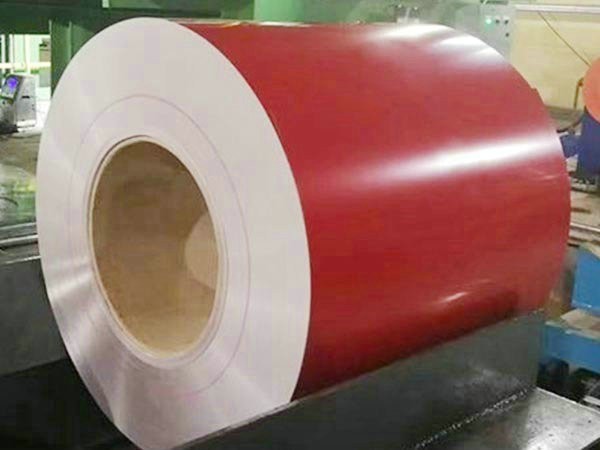
The emergence of color-coated coils is closely tied to advancements in the steel industry and chemical materials. Early steel sheets were primarily used for structural components and foundational manufacturing. However, bare steel was prone to rust, had a short lifespan, and offered a monotonous appearance, failing to meet the dual demands for corrosion resistance and aesthetics. After the 1950s, European and American countries began researching surface coating technologies for steel sheets. Techniques like spraying and roll coating were employed to form protective layers on steel surfaces, thereby enhancing their protective properties.
By the 1960s, advancements in coating technology and continuous roll-coating equipment led to the emergence of the first industrial-scale color-coated coil production lines. This industrial manufacturing not only elevated the value-added potential of steel but also catalyzed innovation in the construction and home appliance industries. Subsequently, countries like Japan, South Korea, and China introduced and refined these production processes, driving the rapid global adoption of color-coated coils.
Today, color-coated coils stand as a vital product in steel deep processing, with applications spanning construction, transportation, energy, electronics, and other industries. Common types include polyester (PE), silicone-modified polyester (SMP), high-weatherability polyester (HDP), and polyvinylidene fluoride (PVDF) coatings. The appropriate coating system can be selected based on climate, environment, and intended use.
The substrate for color-coated coils is typically hot-dip galvanized steel, galvanized steel, or electro-galvanized steel. Prior to production, processes such as degreasing, pickling, and chemical passivation are performed to remove surface oils and impurities. This ensures the coating adheres firmly to the metal surface, enhancing the durability and corrosion resistance of the finished product.
The pretreated steel sheets pass through advanced roller coating equipment to apply primer, topcoat, and backcoat to both sides. Topcoat color and gloss can be customized per customer requirements. The coatings typically consist of resins, pigments, additives, and solvents, delivering vibrant colors and excellent adhesion while resisting UV radiation, moisture, and chemical corrosion.
After coating application, the steel coils enter a high-temperature curing oven. At elevated temperatures, the coating bonds tightly with the steel substrate, forming a dense molecular structure layer. This process yields a smooth, wear-resistant, and oxidation-resistant surface on the color-coated coils. This step is critical for determining product quality.
Finally, after cooling, inspection, and surface protection treatment, the color-coated steel sheets are coiled into rolls for transportation, storage, and subsequent processing. The entire production line operates continuously with high efficiency and stability, ensuring uniform product performance.
Color-coated coils feature vibrant colors and diverse textures, offering effects such as glossy, matte, embossed, and metallic finishes to meet aesthetic demands for various architectural and industrial applications.
The coating effectively blocks air and moisture, preventing metal oxidation. Products with PVDF coatings maintain long-term rust resistance even in harsh environments like coastal areas or acid rain.
The coating exhibits outstanding resistance to UV radiation, high temperatures, and weathering. It maintains color stability, prevents fading, and resists peeling even after prolonged exposure to sunlight, rain, and high humidity.
Color-coated coils possess excellent plasticity, enabling fabrication into various structural components through stamping, shearing, bending, cold forming, and rolling processes. They are well-suited for automated production lines.
Color-coated coils can be directly formed for use without requiring subsequent spray painting. This saves construction time and material costs while reducing paint pollution, aligning with modern green manufacturing principles.
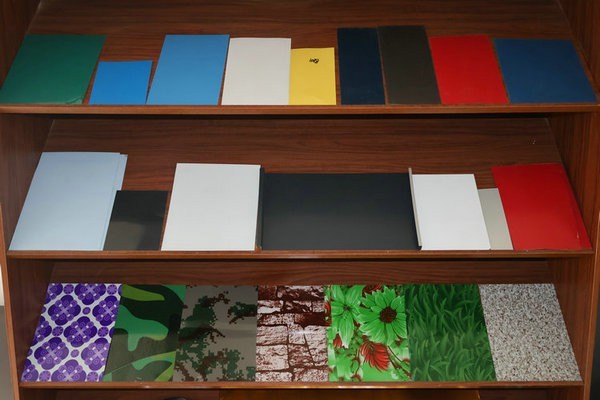
Color-coated coils find their most extensive use in the construction industry, particularly excelling in roofing systems, exterior curtain walls, steel structure factories, warehouses, prefabricated buildings, and residential decoration. They offer outstanding corrosion resistance, waterproofing, and thermal insulation properties, coupled with excellent wind pressure resistance and impact resistance. Common product forms include: color-coated steel tiles, color-coated sandwich panels, color-coated gutters, and door/window trim strips. In modern architectural design, color-coated coils enhance aesthetic expression through diverse color combinations and gloss variations.
Color-coated coils serve as an ideal material for appliance casings, widely used in refrigerators, washing machines, air conditioners, microwave ovens, rice cookers, and similar products.
They not only offer abrasion resistance, fingerprint resistance, and oil stain resistance but also enable diverse color and surface texture effects, elevating product aesthetics. Additionally, color-coated coils possess excellent formability, allowing deep drawing processes without damaging the coating, meeting the precision manufacturing demands of the appliance industry.
In automotive manufacturing, rail carriages, shipping containers, and ship hulls, color-coated coils serve as lightweight structural and decorative materials. Their corrosion resistance and wear-proof properties ensure vehicles maintain performance in rain, salt spray, and other harsh environments, reducing maintenance costs. Additionally, these coils are used for urban infrastructure like bus shelters, billboards, and warehouse shelving.
Color-coated coils are extensively applied in manufacturing office furniture, kitchen appliances, door panels, bookshelves, display cabinets, and other furnishings. Their smooth surfaces facilitate easy cleaning, offer strong stain and moisture resistance, and ensure long service life. Simultaneously, the coils' colors and textures seamlessly integrate with modern furniture design aesthetics, meeting personalized decorative demands.
Color-coated coils are used to manufacture enclosures for electronic devices like TV casings, audio equipment housings, and computer chassis. Their aesthetic appeal, wear resistance, corrosion resistance, and electromagnetic interference shielding enhance both the safety and visual appeal of electronic equipment.
Driven by ongoing industrialization and urbanization, the global color-coated coil market maintains rapid growth. Future development trends will primarily focus on the following directions:
(1) Environmental Protection and Energy Efficiency: With the global “dual carbon” goals established, green production has become an industry consensus. Environmental technologies like low-VOC, water-based coatings, and chromium-free passivation will see widespread adoption, steering color-coated coils toward sustainable, low-energy consumption development.
(2) High Performance and Functionalization: Color-coated coils will transcend basic corrosion resistance and decoration. Future products will integrate multiple properties like self-cleaning, antibacterial, UV protection, and heat reflection to meet increasingly complex application environments.
(3) Personalization and Diversification: With the diversification of architectural and appliance designs, color, texture, and gloss levels of color-coated coils will be customizable. Customers can select distinctive appearances tailored to project styles, enhancing product differentiation and competitiveness.
(4) Globalization and Branding: China has emerged as one of the world's largest producers and exporters of color-coated coils. With accelerated technological upgrades and brand development, premium color-coated coil products will capture a larger share of the international market.
As a novel material combining corrosion resistance, aesthetics, lightweight properties, and high strength, color-coated coils are widely applied across construction, home appliances, transportation, furniture, electronics, and other sectors. They serve not only as a vital foundational material for modern industry but also as a key product for achieving energy conservation, environmental protection, and sustainable development.
Driven by manufacturing advancements and growing market demand, color-coated coils are continuously evolving toward higher performance, intelligent applications, and greener solutions. In the future, leveraging their outstanding comprehensive properties, color-coated coils will play an increasingly vital role in global manufacturing and construction, creating more aesthetically pleasing, safe, and sustainable living environments for humanity.
China galvanized plate manufacturer: Boxing Shuangshengda Steel specializes in galvanized sheet, galvanized steel plate,Colour steel plate etc.We have a full range of product specifications and types, low prices, and more than 20 years of experience, worthy of your trust
 Address:Bo Xing County, Shandong Province
 E-mail: