
 Language


More Language
Language
In modern industrial manufacturing and construction systems, color-coated sheets (also known as color-coated sheets or color steel sheets) have become one of the most widely used and fastest-growing metal materials. Not only do they offer rich colors and strong decorative appeal, but they also combine excellent corrosion resistance, workability, and weather resistance. They are extensively applied in building envelope systems, home appliance structural components, transportation equipment, cold chain equipment, and the manufacturing of various metal products. While many users are familiar with the application of color-coated sheets, they often lack insight into their material composition, coating system design, and the manufacturing processes that ensure their durability and aesthetic appeal. This article provides a comprehensive analysis covering material structure, coating systems, manufacturing techniques, performance characteristics, and application value, offering a systematic understanding of “what color-coated sheets are made of.”
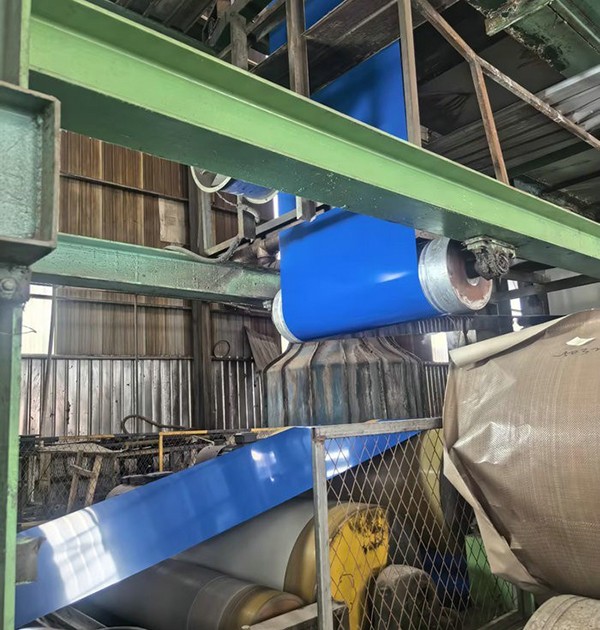
Color-coated sheet is a composite material created by applying multiple layers of organic coatings to a metal substrate. Through continuous coating production processes, the coatings adhere uniformly and firmly to the metal surface, resulting in a corrosion-resistant, aesthetically pleasing product with diverse functionalities.
The core components of color-coated sheet include:
- Metal substrate (steel or aluminum base)
- Multi-layer organic coatings (primer, topcoat, backcoat)
- Optional protective film (to minimize transport scratches)
The production process utilizes advanced continuous coating lines. Metal coils undergo pretreatment, coating application, and curing processes to transform into high-performance metal materials that are corrosion-resistant, aesthetically pleasing, and easy to form.
The superior performance of color-coated sheets stems primarily from their composite structure. Below is a detailed analysis from three perspectives.
The metal substrate is the most critical component of color-coated sheet, determining its mechanical strength, corrosion resistance, and formability. Depending on application environments and market demands, color-coated sheets utilize several mainstream substrates:
- Galvanized Steel Sheet (GI): Features a pure zinc coating providing cathodic protection. Offers excellent corrosion resistance at a moderate price point, making it the most widely used substrate type.
Applications: Building roofing sheets, wall sheets, appliance casings, industrial manufacturing, etc.
- Aluminum-zinc coated steel sheet: Coating composition: 55% aluminum + 43.4% zinc + 1.6% silicon. Offers 3–5 times higher corrosion resistance than traditional galvanized steel and superior high-temperature performance.
Applications: Coastal region construction, solar equipment, flue systems, etc.
- Hot-dip aluminum-coated steel sheets: Surface aluminum coating coverage exceeds 90%, delivering outstanding reflectivity, energy efficiency, and high-temperature oxidation resistance.
Applications: Ovens, exhaust ducts, high-temperature industrial equipment.
- Aluminum sheets and aluminum alloy substrates: Lightweight, highly corrosion-resistant, rust-free, ideal for premium construction, home renovation, and decorative applications.
Common products: Aluminum-magnesium-manganese color-coated sheets, decorative wood-grain aluminum sheets, etc.
- Stainless steel substrates: High strength, top-tier corrosion resistance, used in demanding industrial environments.
Applications: Cleanrooms, chemical processing equipment, medical devices, etc.
The coating of color-coated sheets consists of three main components:
- Primer Function: Enhances adhesion between coating and substrate, provides primary corrosion protection.
Common primers: Epoxy primer, polyester primer.
Topcoat (Key layer determining color and performance): The color, gloss, UV resistance, and surface texture of color-coated sheets are primarily determined by the topcoat.
- Common Topcoat Types:
Polyester Coating (PE): Cost-effective and versatile, suitable for most architectural and industrial applications. Offers good flexibility and a wide color range.
Silicone-Modified Polyester (SMP): Superior weather resistance compared to PE, with enhanced resistance to chalking and fading. Ideal for large-scale outdoor projects.
High-Durability Polyester (HDP): Superior UV resistance and color retention, with a lifespan of 15–25 years.
Polyvinylidene Fluoride (PVDF): Top-tier weather resistance, withstanding salt spray, acid rain, and intense UV exposure. Building lifespan exceeds 30 years, commonly used in high-end architectural curtain walls.
- Back Coating: Applied to the inner surface for corrosion protection, particularly crucial for composite sheets. Typically gray, white, or transparent protective layers.
Some color-coated sheets are factory-applied with transparent protective film to prevent scratches during transport and processing. Simply peel off before use; it does not affect the final appearance.
Color-coated sheets are produced using advanced continuous coating production lines, ensuring uniform coating, strong adhesion, and consistent quality. The complete process includes:
(1) Uncoiling of raw coil
(2) Surface pretreatment (degreasing, pickling, rinsing, chemical conversion coating)
(3) Primer application
(4) Drying and curing
(5) Topcoat application
(6) Re-drying and curing
(7) Cooling
(8) Optional further processing: embossing, laminating, profiling, etc.
(9) Rewinding and shipment
Continuous production achieves: high speed (tens to hundreds of meters per minute), uniform coating thickness, stable surface quality, and high production efficiency, making it suitable for large-scale industrial applications.
The “metal + coating” structure of color-coated sheets delivers multifunctional properties:
- Multi-layer coating + metal coating form composite protection
- Suitable for humid, high-salt-fog, and acid rain environments
- Lifespan extended several times compared to ordinary steel sheets
Can achieve: high gloss, matte, wood grain, stone texture, metallic brushed finish, copper-like, zinc-like finishes, enabling widespread use as architectural decorative materials.
Suitable for: bending, roll forming, stamping, stretching, welding (some coatings require special treatment), without paint peeling or cracking.
Low weight per unit area: easy transportation, rapid installation, ideal for large-span steel structures.
- PE: 8–12 years
- SMP: 12–20 years
- HDP: 15–25 years
- PVDF: 25–35 years
Different coatings suit varying environmental demands.
- Environmentally sound production process
- Reusable
- Aligns with modern green material trends
Overall, color-coated sheets offer the following unique advantages: cost-effective with excellent value; rich color options for customizable aesthetics; superior workability for advanced processing; strong corrosion resistance for harsh environments; suitability for large-scale industrial production; simple installation with short construction cycles; long service life with low maintenance costs; eco-friendly recyclability aligning with green building trends.
Consequently, color-coated sheets have become an indispensable material globally across construction, home appliances, and industrial manufacturing sectors.
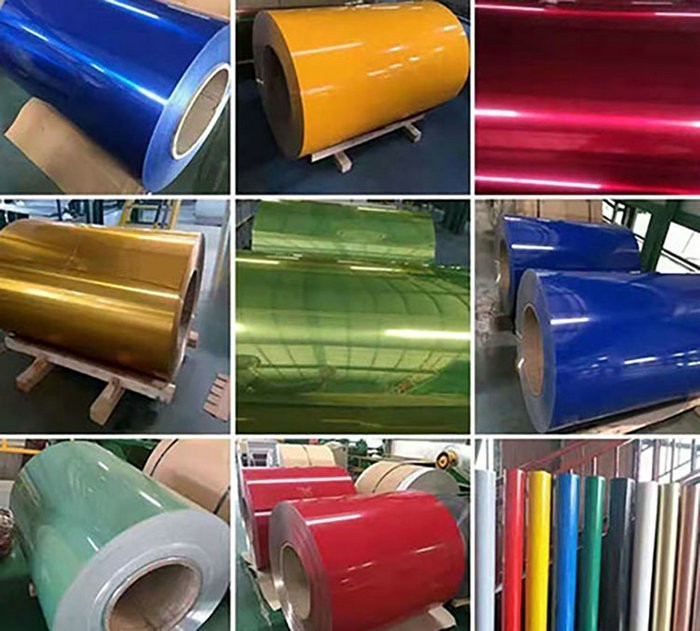
Color-coated sheets are emerging as core materials across multiple industries. Below are their typical application areas.
Applications in construction include: industrial plant roofing and wall sheets, color-coated steel buildings, containerized modular housing, cold storage sheets, commercial building exterior cladding, warehouse/logistics facility enclosure systems, and agricultural greenhouse structures. Their lightweight and quick-installation properties significantly enhance construction efficiency.
Also known as “appliance color-coated sheets,” these require high surface flatness and strong scratch resistance. Applications include: refrigerator side and back sheets, washing machine housings, air conditioner outdoor unit covers, microwave ovens, oven sheets, and water heater casings. They enhance appliance aesthetics and extend product lifespan.
Color coated sheets, valued for their light weight and corrosion resistance, are suitable for: container interiors, truck bodies, cold chain logistics vehicles, highway barriers and guardrails, and dump truck materials. They effectively reduce vehicle weight and enhance transportation efficiency.
Applications include: cabinets, enclosures, steel furniture, warehouse shelving, ventilation and exhaust systems, and mechanical equipment covers. Excellent machinability supports diverse deep-processing techniques.
Examples: livestock insulation sheds, grain storage silos, photovoltaic mounting bracket covers, and agricultural machinery housings. Offers advantages like corrosion resistance and UV exposure tolerance.
Decorative color-coated sheets are commonly used for: ceilings, partition sheets, cabinet linings, retail display racks, door sheets, and decorative sheets. Textures can be freely customized, delivering strong decorative effects.
Color-coated sheets are composite metal materials combining strength, decorative appeal, and corrosion resistance. They consist of a metal substrate + multi-layer coating system + optional protective film. With mature production processes, its applications span multiple industries including construction, home appliances, transportation, manufacturing, and agriculture, making it an indispensable material in modern manufacturing systems. As global demand for new building materials continues to grow, the color-coated sheet market will maintain rapid development. Future innovations in high-weatherability coatings, eco-friendly paints, and personalized decorative applications will further expand, creating greater value potential for the industry.
China galvanized plate manufacturer: Boxing Shuangshengda Steel specializes in galvanized sheet, galvanized steel plate,Colour steel plate etc.We have a full range of product specifications and types, low prices, and more than 20 years of experience, worthy of your trust
 Address:Bo Xing County, Shandong Province
 E-mail: