
 Language


More Language
Language
In the field of modern architecture, the selection of roofing materials significantly impacts a building's overall performance, aesthetic appeal, and service life. As a high-performance roofing solution, aluminum-magnesium-manganese plates are gaining prominence in the construction industry due to their exceptional properties and versatile applications. This article explores the characteristics, advantages, and application considerations of aluminum-magnesium-manganese plates.
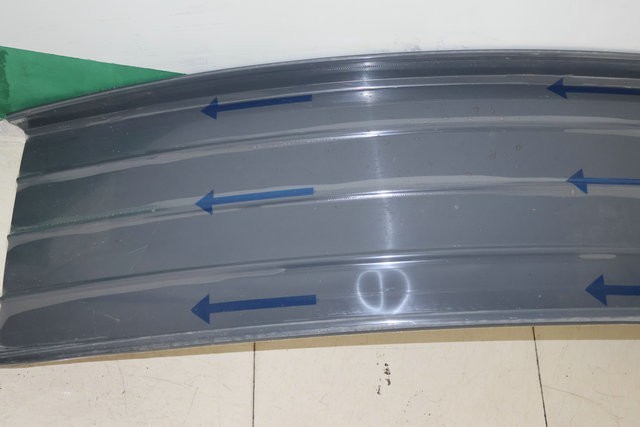
Aluminum-magnesium-manganese alloy is a composite material formed by combining aluminum, magnesium, and manganese in specific proportions. The synergistic interaction of these three elements endows the plates with unique performance advantages.
(1) Lightweight and High Strength: With a density of approximately 2.7 g/cm3, aluminum-magnesium-manganese plates weigh only about one-third as much as steel while achieving comparable strength levels. This lightweight yet high-strength characteristic makes it particularly suitable for large-span structures, effectively reducing structural loads.
(2) Superior Corrosion Resistance: The surface of aluminum-magnesium-manganese alloy naturally forms a dense protective layer of aluminum oxide. This layer can self-repair even when damaged, providing outstanding corrosion resistance. It is especially suitable for buildings in coastal areas and highly polluted industrial zones.
(3) Excellent Formability: Aluminum-magnesium-manganese alloy exhibits good ductility and plasticity, allowing it to be rolled into complex shapes and curved surfaces to meet diverse architectural styling demands.
(4) Rich Color Options: Through surface treatment processes, aluminum-magnesium-manganese plates can achieve multiple color and texture effects, providing architects with extensive creative possibilities.
(5) Eco-Friendly and Recyclable: Aluminum-magnesium-manganese alloy is 100% recyclable, with the energy consumption during recycling being only 5% of that required for primary aluminum production, making it a quintessential green building material.
Compared to traditional roofing materials, aluminum-magnesium-manganese plates offer significant advantages in multiple aspects:
(1) Extended Service Life: Under normal conditions, aluminum-magnesium-manganese plates can last over 50 years—far exceeding materials like traditional color-coated steel plates—significantly reducing long-term building maintenance costs.
(2) Streamlined Installation: Lightweight and easy to install, these plates support multiple connection methods such as mechanical seaming or welding. Their high installation efficiency substantially shortens construction timelines.
(3) Low Maintenance Costs: Thanks to their exceptional corrosion resistance and durability, these plates require virtually no specialized upkeep. Simple periodic cleaning suffices to maintain optimal performance.
(4) Superior Fire Resistance: As a non-combustible material with a melting point exceeding 660°C (far surpassing typical fire temperatures), aluminum-magnesium-manganese alloy plates effectively elevate a building's fire safety rating.
(5) High Thermal Reflectivity: With a smooth surface, aluminum-magnesium-manganese plates reflect over 70% of solar radiation, significantly reducing building cooling loads and conserving energy consumption.
(6) Strong Adaptability: Whether in frigid regions or hot, humid climates, these plates maintain excellent performance stability without brittleness or deformation issues.
The manufacturing process integrates multiple advanced technologies, primarily encompassing the following key stages:
(1) Alloy Melting and Casting: Aluminum, magnesium, and manganese are melted into an alloy at specific ratios, then continuously cast into aluminum-magnesium-manganese alloy slabs. This stage demands extremely strict control over composition and temperature.
(2) Hot Rolling: The ingot is heated to an appropriate temperature and rolled through multiple passes to achieve the desired plate thickness. This process effectively refines the alloy's internal microstructure.
(3) Cold Rolling and Finishing: Post-hot-rolled plates undergo cold rolling to further enhance surface quality and dimensional accuracy, ensuring flatness and surface finish.
(4) Surface Treatment: Based on customer requirements, plates can undergo surface treatments such as anodizing, spraying, or film coating. These processes enhance weather resistance while meeting aesthetic demands.
(5) Forming: Specialized roll forming equipment shapes flat plates into various roofing profiles, such as standing seam plates and corrugated plates. This stage determines the final product's waterproofing performance and structural strength.
(6) Quality Inspection: Finished products undergo rigorous dimensional checks, mechanical property testing, and surface quality inspections to ensure each roofing plate meets standard requirements.
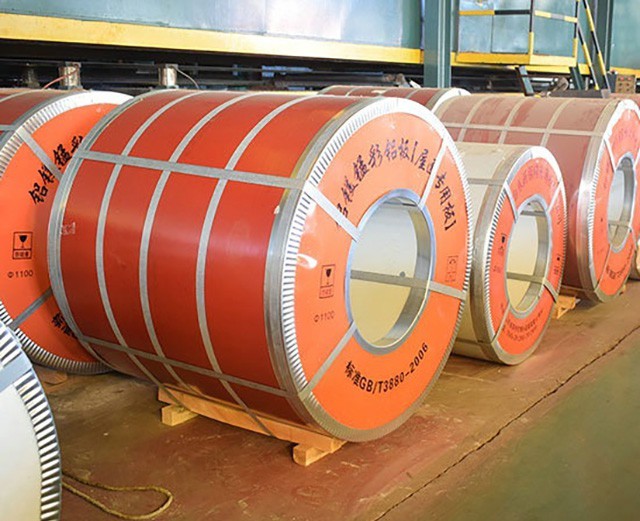
Aluminum-magnesium-manganese plates have gained widespread adoption across multiple construction sectors due to their user-satisfying performance:
(1) Large Public Buildings: These plates are frequently used in large-span structures like airport terminals, convention centers, and sports stadiums, meeting structural demands while enabling distinctive architectural forms.
(2) Commercial Buildings: Shopping malls, hotels, office buildings, and other commercial structures utilize aluminum-magnesium-manganese plates to elevate architectural quality while reducing long-term operational costs.
(3) Industrial Buildings: Factory facilities, logistics warehouses, and other industrial structures employ aluminum-magnesium-manganese plates to effectively resist corrosive gases in industrial environments, extending building service life.
(4) Transportation Facilities: Roofing systems for transportation structures like high-speed rail stations, subway stations, and bus hubs increasingly adopt aluminum-magnesium-manganese materials.
(5) Cultural and Educational Buildings: Museums, libraries, schools, and other cultural/educational buildings utilize aluminum-magnesium-manganese plates to achieve a renowned blend of architectural artistry and functionality.
(6) Specially Shaped Buildings: For structures requiring complex curved surfaces or irregular designs, the excellent formability of aluminum-magnesium-manganese materials makes them the preferred choice.
To ensure optimal performance of aluminum-magnesium-manganese plates, pay attention to the following critical points during installation:
(1) Substrate Preparation: Prior to installation, ensure the roof substrate is level, dry, and free of debris. All fasteners must undergo rustproofing treatment to prevent electrochemical corrosion from dissimilar metal contact.
(2) Thermal Expansion Compensation: Given the high thermal expansion coefficient of aluminum-magnesium-manganese materials, sufficient expansion joints must be incorporated during installation to prevent plate deformation or joint damage caused by temperature fluctuations.
(3) Waterproofing: Specialized waterproofing is required at critical junctions such as gutters, eaves, and around roof penetrations. Reinforce these areas using specialized sealants or waterproof membranes.
(4) Fastening Methods: Select appropriate fastening methods based on roof slope and wind pressure conditions. The standing seam system typically employs concealed fasteners, offering both aesthetic appeal and structural integrity.
(5) Installation Sequence: Follow a systematic layout from lower to higher elevations and from farther to nearer points to avoid damaging installed plates during overlapping operations.
(6) Finished Product Protection: Promptly clean surface debris after installation. Implement protective measures during subsequent construction to prevent sharp objects from scratching the plate surfaces.
Although aluminum-magnesium-manganese plates are renowned for being “maintenance-free,” proper care can extend their lifespan:
(1) Regular Inspection: Conduct thorough inspections at least annually, focusing on joints, fasteners, and areas prone to water accumulation. Address any issues promptly.
(2) Cleaning Methods: Generally, rinsing with clean water suffices to remove surface dust. For stubborn stains, use a neutral cleaner with a soft cloth—never employ strong acidic or alkaline cleaners.
(3) Snow Accumulation Management: In snowy regions, promptly clear roof snow to prevent structural overload from localized heavy accumulation.
(4) Repair Principles: For localized damage, use repair patches made of the same material as the original plates. For extensive damage, replace the entire plate.
(5) Drainage System Maintenance: Regularly clean the roof drainage system to ensure rainwater flows freely and prevent water accumulation from corroding the plates.
(6) Professional Maintenance: For complex repairs, contact a professional construction team to ensure repair quality.
With advancements in construction technology and heightened environmental requirements, aluminum-magnesium-manganese plates are evolving in the following directions:
(1) Performance Optimization: Enhance material strength, corrosion resistance, and formability by adjusting alloy composition ratios and heat treatment processes.
(2) Functional Integration: Developing composite aluminum-magnesium-manganese plates with added features like self-cleaning, photocatalysis, and photovoltaic power generation to meet multifunctional building demands.
(3) Green Production: Optimizing manufacturing processes to reduce energy consumption and emissions while increasing scrap recycling rates, making the product's entire lifecycle more environmentally friendly.
(4) Smart Installation: Incorporate BIM technology and intelligent installation equipment to enhance precision and efficiency, reducing labor costs and error rates.
(5) Customized Services: Offer end-to-end tailored solutions—from design and manufacturing to installation—based on client specifications, bringing architectural visions to life.
(6) Cost Optimization: Achieve economies of scale and process improvements to lower production costs, making this premium material accessible for broader project adoption.
Aluminum-magnesium-manganese plates are redefining modern roofing standards through their comprehensive performance advantages. With ongoing technological advancements and accumulated application experience, they will demonstrate their value across broader fields, delivering more reliable, aesthetically pleasing, and eco-friendly roofing solutions for the construction industry. For users, understanding and effectively utilizing this material will contribute to creating more competitive architectural works.
China galvanized plate manufacturer: Boxing Shuangshengda Steel specializes in galvanized sheet, galvanized steel plate,Colour steel plate etc.We have a full range of product specifications and types, low prices, and more than 20 years of experience, worthy of your trust
 Address:Bo Xing County, Shandong Province
 E-mail: