
 Language


More Language
Language
Color steel tiles, as a widely used material in the construction industry, are highly favored by consumers and builders for their excellent corrosion resistance, waterproofing, and thermal insulation properties. Whether in residential buildings, factories, or large warehouses, color steel tiles play a vital role. So, what exactly are color steel tiles made of? This article will provide a detailed overview of their constituent materials, production processes, and diverse applications, helping readers gain a comprehensive understanding of this modern building material.
Color steel tiles, also known as color steel sheets, are steel plates coated with a layer of paint. High-quality steel substrates undergo coating treatment, resulting in a surface covered with a colored layer that forms a durable and aesthetically pleasing roofing or wall material. Color steel tiles offer multiple advantages in the construction industry, including:
(1) Corrosion Resistance: Specially coated to withstand harsh climates, ensuring durability in diverse environmental conditions.
(2) Exceptional Longevity: High-quality color steel tile lasts over 20 years while maintaining its appearance and functionality.
(3) Lightweight & High Strength: Compared to traditional concrete or steel, it offers reduced weight for easier transportation and installation, coupled with superior compression and wind resistance.
(4) Environmental Friendliness: Recyclable, meeting modern green building standards.
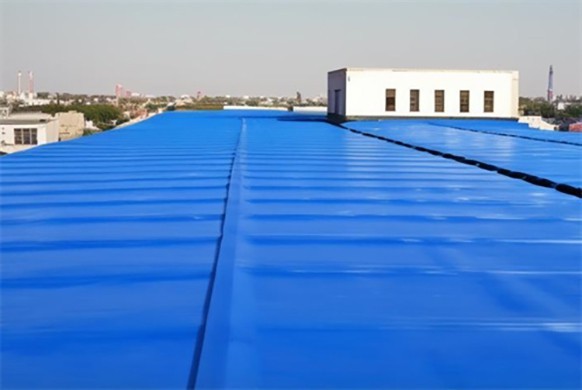
The manufacturing process and material composition determine their advantages in construction. Typically, color steel tiles consist of:
The core material, usually cold-rolled steel or hot-dip galvanized steel. The steel substrate undergoes rigorous material selection and surface treatment to ensure strength, corrosion resistance, and workability. Common types include:
- Cold-rolled steel sheet: Produced via cold-rolling, featuring a smooth surface suitable for applications requiring high surface finish.
- Hot-dip galvanized steel sheet: The steel substrate is coated with a layer of zinc to prevent rust and corrosion. Hot-dip galvanized steel sheets are widely used in environments requiring corrosion resistance.
Coatings are a defining feature of color steel tiles, determining their color and protective functions. Common coating types include:
- Polyester Coating (PE): The most prevalent coating, offering excellent adhesion and weather resistance, suitable for buildings in standard climates.
- Fluorocarbon coating (PVDF): Offers exceptional corrosion resistance and UV protection, suitable for extreme climates and often used in high-end construction projects.
- Acrylic coating (AC): Provides good abrasion resistance and UV protection, suitable for general industrial buildings.
- Color coating: Color steel tiles typically offer multiple color options to meet diverse architectural style requirements. Coatings not only provide color variety but also serve as UV and corrosion protection.
To enhance durability, an anti-rust layer is often applied as a corrosion-resistant coating on the steel substrate surface. These coatings increase material longevity and effectively delay oxidation and corrosion, particularly in humid or salt-spray environments.
Certain high-performance color steel tiles incorporate an internal insulation layer. Common insulation materials include polyurethane, rock wool, and glass wool. These materials effectively reduce the impact of external temperatures on building interiors, improving energy efficiency and comfort.
The production process for color steel tiles primarily involves the following steps:
The steel substrate undergoes cleaning, rust removal, and surface treatment. This step ensures a smooth, contamination-free surface, providing an optimal foundation for subsequent coating adhesion.
Coating is typically applied via electrostatic spraying or roller coating. These techniques ensure uniform coating distribution on the steel surface, which is then cured at high temperatures to achieve ideal weather resistance and aesthetic appeal.
After coating curing, the color steel sheets undergo cooling treatment followed by rolling to form their shape. The cooling process ensures coating stability, while rolling gives the sheets their required dimensions and profile.
Finally, the color steel sheets are cut to customer specifications, packaged, and prepared for shipment. Protective measures are implemented during packaging to prevent damage during transportation.
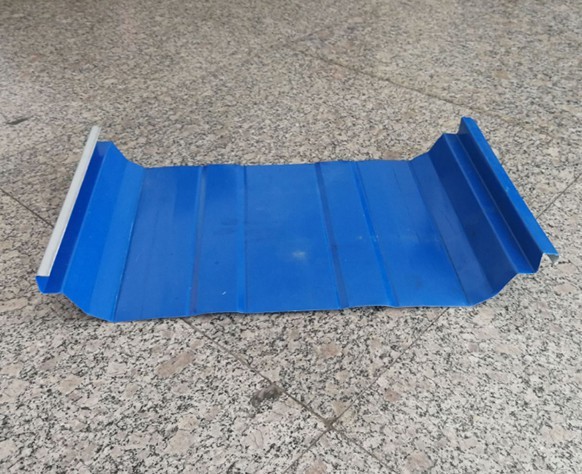
Due to its outstanding performance, color steel tile is widely used in various types of buildings, primarily in the following areas:
color steel tile finds extensive application in industrial buildings, particularly in structures like factories and warehouses. Its exceptional durability, thermal insulation, and corrosion resistance make it the preferred material for building roofs and exterior walls.
In commercial structures, color steel tiles not only deliver outstanding functionality but also offer a wide range of color options to suit diverse architectural styles. Modern shopping malls, supermarkets, and office buildings frequently utilize color steel tiles as exterior wall materials.
With the promotion of green building and environmental concepts, color steel tiles are increasingly adopted in residential construction. Particularly in new residential communities, they are widely chosen for their cost-effectiveness and eco-friendly properties.
The application of color steel tiles extends beyond urban structures. In rural areas, agricultural buildings such as greenhouses, chicken coops, and pigsties frequently utilize color steel tiles for roofing and walling due to their strong weather resistance and thermal insulation properties.
As the construction industry places increasing emphasis on green, eco-friendly, and energy-efficient solutions, color steel tile has become an indispensable material due to its unique advantages. Its lightweight, high strength, corrosion resistance, ease of installation, and environmental friendliness ensure broad development prospects for the future.
Furthermore, with continuous technological advancements, the production processes and materials of color steel tile are undergoing constant innovation, leading to enhanced performance. Moving forward, color steel tiles will evolve toward greater environmental friendliness, energy efficiency, and smart functionality to meet increasingly stringent market demands.
As a high-performance building material, color steel tiles have become a vital component of modern construction. Understanding their composition and manufacturing processes enables not only better selection and application but also deeper appreciation of their extensive uses in the industry. With ongoing advancements in construction technology, color steel tiles are poised to play an increasingly significant role in future buildings.
China galvanized plate manufacturer: Boxing Shuangshengda Steel specializes in galvanized sheet, galvanized steel plate,Colour steel plate etc.We have a full range of product specifications and types, low prices, and more than 20 years of experience, worthy of your trust
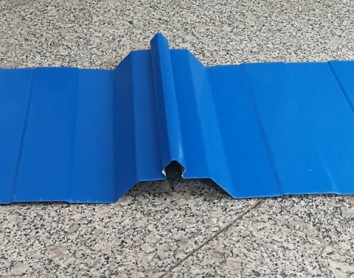
 Address:Bo Xing County, Shandong Province
 E-mail: