Color coated metal sheet is a functional material composed of a metal substrate as the core, which is compounded through surface treatment and coating processes. Its core structure consists of metal substrates (such as aluminum, steel, zinc alloys) and organic/inorganic coatings, which are shaped through coating, baking, cutting and other processes, combining the mechanical properties of metals with the decorative and protective properties of coatings. The following analysis will be conducted from five dimensions: definition, classification, performance, application, and development trends.
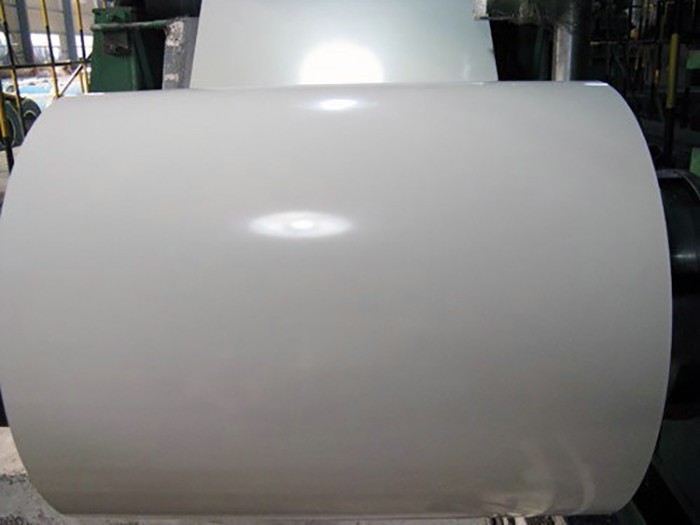
1. Definition and Composition
Color coated metal sheet is a composite material formed by processing pure metal or alloy substrates made of aluminum, steel, zinc and other metal materials as carriers, coating fluorocarbon coatings, organic polymer coatings or decorative paints through surface treatment (such as degreasing, chemical conversion), and then baking and curing. Its typical structure is:
1. Substrate layer: Provides strength and formability, commonly used substrates include aluminum plates, hot-dip galvanized aluminum plates, cold-rolled steel plates, alloy plates, etc.
2. Coating system: composed of primer and topcoat, commonly used coating types include fluorocarbon coating (with the best weather resistance), polyester coating (moderate cost), acrylic coating (with good flexibility), etc.
3. Functional layer (optional): Adding insulation, sound insulation, fire prevention and other functional materials through processes such as lamination and composite bonding.
2. Classification and Process
According to the substrate material, coating type, and processing technology, color coated metal sheets can be classified into the following categories:
|
Classification Dimension
|
Specific Type
|
Characteristics
|
|
By Base Plate Material
|
Aluminum base plate, Hot-dip galvanized aluminum plate, Cold-rolled steel plate, Alloy plate
|
Aluminum base plate is lightweight and corrosion-resistant. Steel base plate has high strength. Alloy plate has excellent comprehensive performance.
|
|
By Coating Type
|
Fluorocarbon coating, Polyester coating, Acrylic coating, Polyvinyl chloride coating
|
Fluorocarbon coating has a weather resistance of over 20 years. Polyester coating has a low cost. Acrylic coating has good flexibility.
|
|
By Processing Method
|
Roll coating method, Spray coating method, Film coating method, Powder coating method
|
Roll coating method has high efficiency and uniform coating. Spray coating method has strong flexibility. Film coating method is environmentally friendly with no VOCs emissions.
|
3. Core performance
The performance of color coated metal sheets is determined by both the substrate and the coating, mainly reflected in the following aspects:
1. Durability: Fluorocarbon coatings can withstand more than 10000 hours in salt spray tests, while polyester coatings can withstand up to 5000 hours, far exceeding ordinary metal materials.
2. Decorative: The coating color is rich, supporting matte, high gloss, metallic texture and other effects, and the color difference Δ E is ≤ 1.5 (international standard).
3. Functionality:
(1) Thermal insulation: after composite rock wool or polyurethane foam, the thermal conductivity can be as low as 0.035W/(m · K).
(2) Anti pollution: The contact angle of the fluorocarbon coating surface is greater than 90 °, and oil and dust are not easily attached.
(3) Fire resistance: Class A non combustible materials (such as rock wool composite panels) meet the building fire protection regulations.
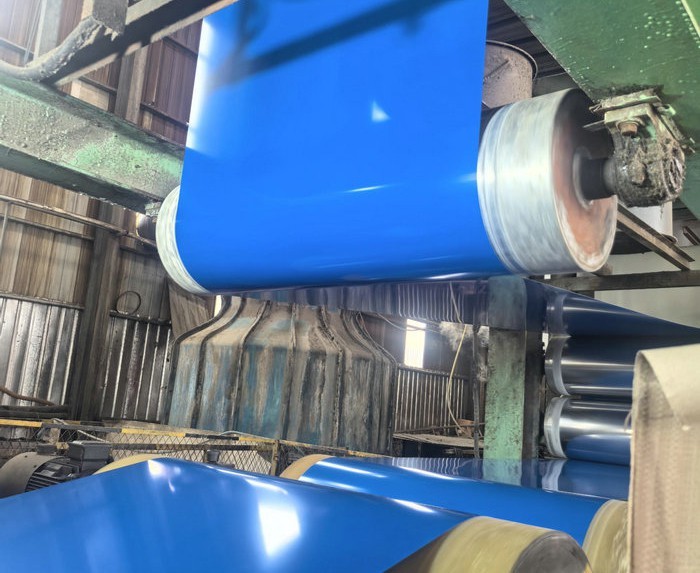
4. Processability: Supports secondary processing such as cutting, bending, and stamping, with no cracking or peeling of the coating after forming
4. Application Fields
Color coated metal sheets, with their performance advantages, have penetrated into multiple industries:
1. Architectural decoration:
Exterior wall system: Aluminum veneer and aluminum-plastic composite panel are used for commercial office buildings and high-end hotel curtain walls.
Roofing system: Colored coated metal panels are used for metal roofs of large sports venues and railway stations.
Indoor decoration: Coated color steel plates are used for clean room walls in hospitals and laboratories.
2. Transportation:
Automotive manufacturing: Aluminum substrates are used for the outer shell of new energy vehicle battery packs, reducing weight by more than 30%.
Rail transit: Color coated metal sheets are used for interior decoration of high-speed rail carriages, with a weather resistance requirement of 15 years.
3. Industrial applications:
Food packaging: Aluminum substrate is used for cans, and the coating must comply with FDA food contact standards.
Equipment casing: Color coated metal sheets are used as protective casings for household appliances and communication equipment.
4. Emerging fields:
Prefabricated buildings: Integrated insulation and decoration panels achieve industrialization of construction.
New energy: Color coated aluminum plates are used for photovoltaic brackets and energy storage equipment casings.
5. Development Trends
1. Greening: Film coating technology replaces solvent coating, reducing VOC emissions by more than 90%.
2. Functionalization: Develop intelligent coatings such as self-cleaning, antibacterial, and phase change energy storage.
3. Customization: Achieve on-demand customization of color, texture, and functionality through digital design.
4. Lightweight: The thickness of the aluminum substrate is reduced to below 0.3mm to meet the lightweight requirements of new energy vehicles.
5. Centralization: The industry CR5 (market share of the top five enterprises) is expected to increase from 35% in 2025 to 50% in 2030.
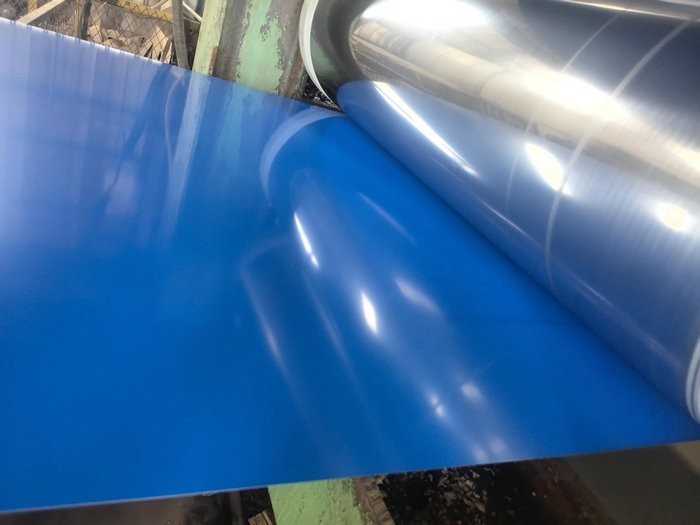
6. Technical challenges
1. Coating adhesion: The interface bonding problem between steel substrate and organic coating needs to be solved.
2. Weather resistance balance: Fluorocarbon coatings are expensive, while polyester coatings have a short lifespan, requiring the development of intermediate coatings.
3. Environmental pressure: The powder coating process needs to reduce energy consumption, and the performance of water-based coatings needs to be improved.
4. Lack of standards: Emerging application areas (such as photovoltaics) lack dedicated performance standards.
As a star material in modern architecture and industry, color coated metal sheets have become an ideal choice for curtain walls, roofs, home appliance casings, and other scenes due to their brilliant colors, excellent weather resistance, and convenient processing. It not only enhances the spatial texture with aesthetic advantages, but also achieves practical functions such as anti-corrosion and self-cleaning through coating technologies such as fluorocarbon and polyester. With the deepening of the green building concept, these materials are iterating towards higher durability and environmentally friendly coatings, continuously injecting innovative vitality into urban landscape and industrial design. In the future, color coated metal sheets may integrate intelligent sensing technology, opening a new chapter in the integration of functionality and aesthetics.

 Language


 Address:Bo Xing County, Shandong Province
 E-mail: