
 Language


More Language
Language
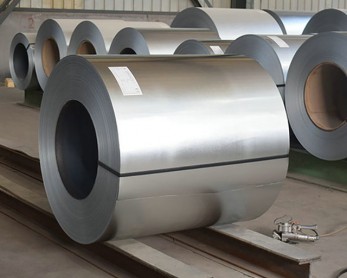
Galvanized sheet has a certain degree of waterproof ability, but strictly speaking, it cannot be defined as a completely waterproof material. Galvanized sheet is a metal sheet made of cold-rolled or hot-rolled steel plate as the substrate, with a layer of zinc coating on the surface. The zinc layer acts as a protective film, which can isolate moisture from direct contact with the substrate, slow down the process of oxidation and corrosion, and effectively prevent rusting of the substrate in general humid environments or short-term rainwater erosion. However, if it is exposed to stagnant water for a long time, the zinc layer is damaged, or it is corroded by highly corrosive liquids, its waterproof performance will significantly decrease. Next, this article will delve into the waterproof characteristics of galvanized sheet, analyzing in detail its composition, waterproof principles, and factors that affect waterproof performance.

Galvanized sheet is a sheet made by coating a layer of zinc metal on the surface of ordinary steel plate. This zinc layer not only provides additional protection for the steel plate, but also affects various properties of the galvanized sheet to a certain extent, including waterproof performance. Zinc itself has good chemical stability and is not easily reacted violently with oxygen, moisture, and other substances in the air at room temperature, which lays the foundation for galvanized sheets to have certain waterproof capabilities.
Zinc is an active metal, but its chemical properties are relatively stable. In the presence of water, zinc undergoes a slow chemical reaction with substances such as oxygen in the water, forming a dense zinc oxide film on the surface of the zinc layer. This layer of zinc oxide film has good adhesion and stability, which can further prevent moisture and oxygen from penetrating into the interior of the zinc layer, thereby delaying the corrosion rate of the zinc layer and indirectly protecting the steel plate from water corrosion. Moreover, even if the zinc layer is locally damaged, the exposed steel plate will slow down corrosion due to the electrochemical protection formed with zinc. This electrochemical protection effect also helps to maintain the waterproof performance of galvanized steel to a certain extent.
The thickness of the zinc layer is one of the key factors affecting the waterproof performance of galvanized sheet. Generally speaking, the thicker the zinc layer, the stronger its physical barrier and chemical protection effects. A thicker zinc layer can provide more durable protection and prolong the time for moisture to penetrate the zinc layer and reach the steel plate. For example, under the same environmental conditions, galvanized sheet with a zinc layer thickness of 20 μ m has better waterproof performance than galvanized sheet with a zinc layer thickness of 10 μ m, and can more effectively resist water erosion. The following table shows the comparison of waterproof performance of galvanized sheets with different zinc layer thicknesses:
|
Zinc Layer Thickness (μm) |
Estimated Waterproof Lifespan (Years) |
Waterproof Performance Description |
|
5 |
3 - 5 |
Under general environmental conditions, it can resist moisture erosion in the short term, but the zinc layer is consumed relatively quickly. |
|
10 |
5 - 8 |
The waterproof performance is improved, and it can handle medium-humidity environments. The consumption rate of the zinc layer is moderate. |
|
15 |
8 - 12 |
It has good waterproof performance in various environments, and the zinc layer can provide protection for a relatively long time. |
|
20 and above |
Over 12 years
|
It has excellent waterproof performance and can adapt to relatively harsh humid environments. The zinc layer provides long-lasting protection. |
Corrosive medium: If there is a corrosive medium in the environment, such as acidic or alkaline gases or liquids, it will accelerate the corrosion of the zinc layer, thereby weakening the waterproof performance of the galvanized sheet. For example, near a chemical plant, the air contains acidic gases, and the zinc layer on the surface of galvanized sheets will corrode faster, resulting in a rapid decrease in waterproof ability.

The processing technology of galvanized sheet also has an impact on its waterproof performance. During the galvanizing process, improper process control may result in weak bonding between the zinc layer and the steel plate substrate, leading to issues such as zinc layer detachment and blistering. These issues can damage the integrity of the zinc layer, allowing moisture to directly come into contact with the steel plate and reducing the waterproof performance of the galvanized sheet. In addition, during the subsequent processing of galvanized sheet, such as cutting, bending, etc., if the zinc layer is damaged due to improper operation, it will also affect its waterproof effect.
China galvanized plate manufacturer: Boxing Shuangshengda Steel specializes in galvanized sheet, galvanized steel plate,Colour steel plate etc.We have a full range of product specifications and types, low prices, and more than 20 years of experience, worthy of your trust
 Address:Bo Xing County, Shandong Province
 E-mail: