GI sheet metal, as a widely used anti-corrosion material in the industrial field, has always been the focus of user attention with its core identification "GI". The term originates from the abbreviation of "Galvanized Iron" in English, specifically referring to metal sheets that form a pure zinc protective layer on the surface of steel through hot-dip galvanizing process. This process immerses steel in molten zinc to form a zinc layer with a thickness of several tens of micrometers. By utilizing the sacrificial anode protection mechanism of zinc, it effectively isolates the steel from contact with corrosive media. GI board has become the preferred material for building roofs, electrical cabinets, agricultural facilities, and other scenarios due to its excellent weather resistance, processability, and cost-effectiveness. Analyze the deep meaning of GI from four dimensions:
1. Definition of GI terms and essence of craftsmanship
GI stands for Galvanized Iron, which is translated as "hot-dip galvanized steel sheet" in Chinese. The core process is to immerse ordinary steel plates in molten zinc and form a pure zinc coating on the surface through physical metallurgical reactions. Unlike electroplated zinc, hot-dip galvanizing can have a thickness of 60-80 microns, which is 3-5 times that of electroplated zinc. This thickness difference directly determines the significant advantage of the anti-corrosion performance of GI sheet metals.
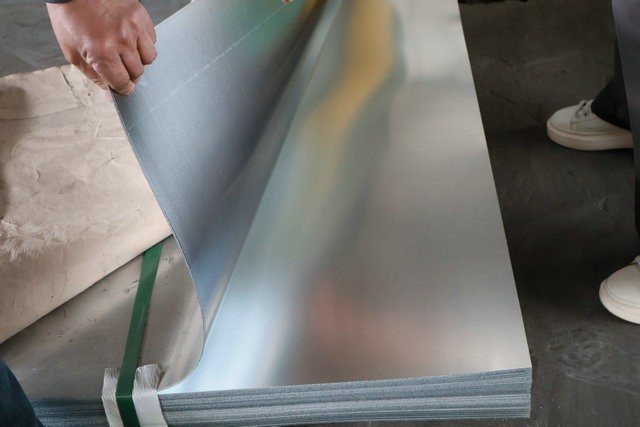
2. Analysis of the Composition and Structure of GI sheet metals
A typical GI sheet metal presents a three-layer composite structure: the surface layer is a high-purity zinc layer of over 99.5%, the middle layer is a FeAl3 suppression layer with a thickness of about 1-2 microns, and the substrate is cold-rolled steel plate. The suppression layer is formed through the preferential reaction between aluminum and iron, effectively preventing the formation of zinc iron alloy phase and avoiding the embrittlement of the coating. This structure allows the coating of the GI board to deform synchronously with the steel plate during stamping without falling off.
3. The performance advantages of GI sheet metals are reflected
1. Anti corrosion performance: The zinc layer forms a dense zinc oxide protective film in the air. Salt spray tests show that a 60 micron coating can extend the service life of steel plates to more than 20 years.
2. Processing performance: The ductility of zinc ensures that the coating does not crack when bent at 180 degrees, meeting the stamping requirements of automotive parts.
3. Economy: Compared with stainless steel, GI board reduces the unit area cost by 40% -60%, and has significant price advantages in the fields of construction and home appliances.

4. Typical application scenarios of GI sheet metal?
In the field of architecture, GI sheet metals are widely used in roof and wall systems, and their weather resistance reduces building maintenance costs to one-third of traditional materials. In the automotive industry, GI plates account for 35% of the steel used in car bodies, and are particularly suitable for corrosive parts such as chassis and wheel covers. The home appliance industry uses its surface glossiness to improve the appearance quality of products. After the refrigerator shell is made of GI board, the salt spray corrosion test passing time is extended to 1000 hours.
The essence of "GI" in GI sheet metal is synonymous with hot-dip galvanizing process, and its core value lies in achieving long-term corrosion resistance through a pure zinc layer. Compared with electroplating, hot-dip galvanizing has a thicker layer, stronger adhesion, and significantly improved production efficiency. The thickness range of GI boards on the current market is usually 0.2-3.0mm, and the quality of the zinc layer meets the GB/T 13912-2002 standard. Users can choose the appropriate specifications according to their specific usage environment to balance durability and economy.

 Language


 Address:Bo Xing County, Shandong Province
 E-mail: