In the vast world of architecture and industry, there is a material that is like a lively color sprite, covering the monotonous metal world with a brilliant coat, and it is called painted board. From high-rise buildings in bustling cities to industrial factories in rural fields, color coating plates adorn every corner with their unique charm. Today, let's step into the world of painted boards together, unveil its mysterious and charming veil, and explore its knowledge and mysteries.
1. Definition and Composition
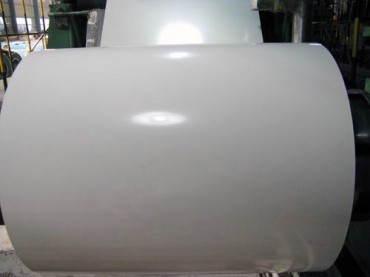
Color coating plate, also known as color coating plate, is a composite material made from cold-rolled steel plate, hot-dip galvanized steel plate, hot-dip aluminum zinc coated steel plate, etc., which are surface pre treated (degreasing, cleaning, chemical conversion treatment, etc.), coated with one or more layers of organic coatings (such as polyester, silicon modified polyester, high weather resistant polyester, fluorocarbon, etc.), and then baked and cured. It combines the strength of steel plates with the decorative and corrosion-resistant properties of coatings.

2. Classification method
1. Classified by substrate type
(1) Cold rolled base color coating plate: Based on cold-rolled steel plate, it has high strength and hardness, but relatively weak corrosion resistance. It is generally used in indoor or dry environments with low corrosion resistance requirements and high strength requirements, such as internal partitions in some industrial plants.
(2) Hot dip galvanized base color coating plate: The substrate is hot-dip galvanized steel plate, and the galvanized layer can provide good corrosion resistance, suitable for most general outdoor environments, such as building exterior walls, roofs, etc.
(3) Hot dip aluminum zinc based color coating plate: The substrate is hot-dip aluminum zinc steel plate, and the aluminum zinc alloy coating not only has good corrosion resistance, but also has good heat resistance and reflectivity. It is commonly used in occasions with high requirements for corrosion resistance and heat resistance, such as building structures in chemical enterprises.
2. Classify by coating type
(1) Polyester color coated board: The coating uses polyester resin, which has good decorative and weather resistance, relatively low cost, and is widely used in fields such as construction and home appliances.
(2) Silicon modified polyester color coated board: Adding silicon element to polyester resin for modification improves the weather resistance and chemical corrosion resistance of the coating, making it suitable for places with high environmental adaptability requirements.
(3) High weather resistant polyester color coated board: It has superior weather resistance and UV resistance, and can maintain stable performance in harsh weather conditions for a long time. It is commonly used for high-end decoration in outdoor buildings.
(4) Fluorocarbon color coated board: The coating is fluorocarbon resin, which has strong weather resistance, chemical corrosion resistance, and self-cleaning properties. It has a long service life and is the preferred material for high-end and iconic buildings.
3. Performance characteristics
1. Decorative: Color coating plates have a rich variety of colors and gloss, and suitable colors and surface effects can be selected according to different design needs, such as flat, matte, high gloss, etc., to give buildings or products a beautiful appearance.
2. Corrosion resistance: The coating can effectively prevent external corrosive media (such as water, oxygen, salt, etc.) from coming into contact with the substrate, thereby protecting the substrate from corrosion. Different types of coatings have varying degrees of corrosion resistance, and suitable color coating plates can be selected according to the usage environment.
3. Processability: Color coating plates have good formability and can be processed through stamping, bending, shearing, and other operations to meet the processing needs of various complex shapes. They are widely used in the manufacturing of building components, home appliance casings, and other applications.
4. Environmental friendliness: In the modern production process of color coated boards, there is an increasing emphasis on environmental requirements, using pollution-free or low pollution coatings and processes to reduce environmental pollution. At the same time, the color coated board will not release harmful substances during use, which meets environmental standards.

4. Application Fields
1. In the field of architecture: widely used in building exterior walls, roofs, doors and windows, curtain walls, etc. Color coating plates not only provide a beautiful appearance for buildings, but also play a role in waterproofing, insulation, and heat preservation, improving the performance and durability of buildings.
2. In the field of household appliances: used to manufacture the shells of household appliances such as refrigerators, washing machines, and air conditioners. The aesthetics and corrosion resistance of color coated boards can meet the requirements of home appliances for appearance and quality, and their processability is also convenient for the production and manufacturing of home appliances.
3. In the field of transportation, it is also applied in the manufacturing of vehicles such as cars, trains, and ships. For example, color coating plates can provide excellent decorative effects and protective performance for vehicles such as car body panels, train cabin interiors, and ship cabin decorations.
4. Other fields: It can also be used to make furniture, billboards, electrical cabinets, etc. Its diverse colors and performance characteristics can meet the needs of different fields.
5. Development Trends
1. High performance: With the continuous advancement of technology, the performance of color coating plates will continue to improve, such as the development of new coating materials with higher weather resistance, stronger corrosion resistance, and better processability to meet more demanding environmental requirements.
2. Environmental Protection: With increasingly strict environmental requirements, the production of color coated boards will pay more attention to environmental protection, adopt more environmentally friendly coatings and processes, reduce the emission of volatile organic compounds (VOCs), and promote the color coated board industry to move towards green and sustainable development.
3. Functionalization: In addition to basic decorative and protective functions, color coated boards will also have more functions, such as self-cleaning function, antibacterial function, fireproof function, etc., to meet the special needs of different fields.
Understanding the knowledge of color coated board not only helps us better choose and use this material, but also provides strong support for the development of related industries. Whether it is builders choosing building materials or consumers purchasing household appliances, they can make more informed decisions based on the characteristics and performance of color coating plates. At the same time, we also call on more researchers and enterprises to invest in the research and production of color coating plates, constantly innovate, and promote the development of the color coating plate industry to a higher level.

 Language


 Address:Bo Xing County, Shandong Province
 E-mail: