In many fields such as architecture, industry, and home decoration, fence plates play an indispensable role as important boundary delineation and safety protection materials. Different types of fence plates are widely used in various scenarios due to their differences in material, structure, and performance. So, what are the three main types of fence plates? Specifically, there are metal fence plates, composite fence plates, and polymer plastic fence plates. Next, this article will provide you with a detailed analysis, taking you into the diverse world of fence plates.
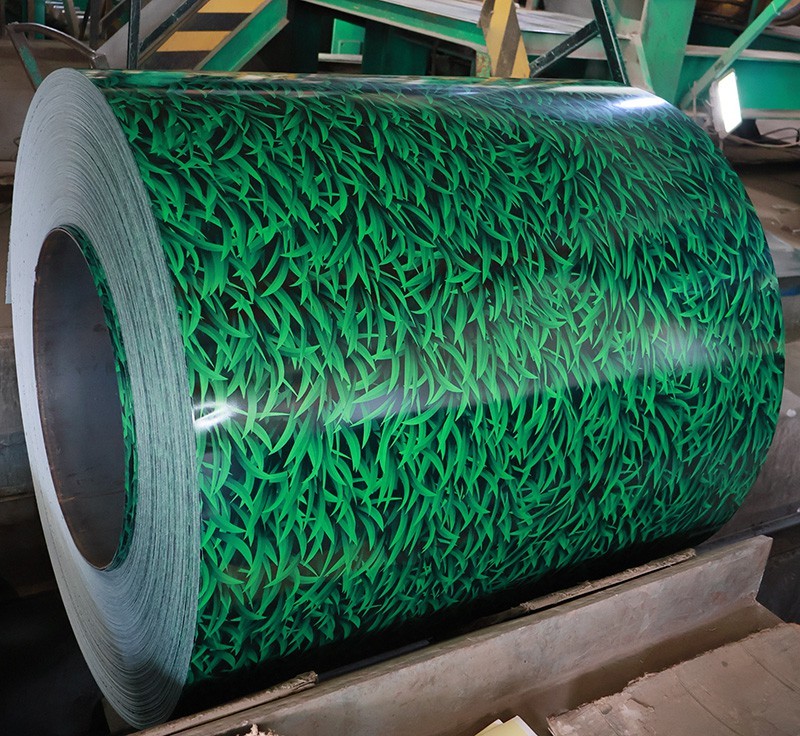
1. Metal fence plate: a benchmark for strength and durability
Metal fence plates are mainly made of steel and aluminum alloy, and their anti-corrosion properties are enhanced through processes such as hot-dip galvanizing and spray coating. They are widely used in industrial, commercial, and high safety demand scenarios.
1. Technical characteristics:
(1) Hot dip galvanized steel fence plate: The steel plate is immersed in a molten zinc solution at 450 ℃ to form a zinc iron alloy layer (thickness ≥ 65 μ m), with a salt spray resistance test of over 3000 hours, suitable for corrosive environments such as coastal areas and chemical industries. For example, the galvanized pipe conservation fence of Weihai Gaosai Metal Products has a wall thickness of 2.0mm, can withstand pig collisions, and has a lifespan of over 15 years.
(2) Aluminum alloy fence plate: with a density only one-third that of steel, it has strong corrosion resistance and can be anodized on the surface. It is commonly used in high-end residential areas and scenic spots. A villa project in Shenzhen uses aluminum alloy fences, paired with transparent PC boards, to achieve a balance between privacy and landscape.
2. Application scenarios:
(1) Industrial plant: prevent equipment debris from splashing, such as in automobile manufacturing workshops;
(2) Public facilities: security screening and isolation areas at airports and subway stations;
(3) Agricultural breeding: zoning management of pig farms and chicken farms.
2. Composite material fence plate: integration of environmental protection and functionality
Composite fence plates, represented by wood plastic (WPC) and aluminum wood composites, achieve the unity of low carbon and high performance through the combination of recycled materials and nanotechnology.
1. Technical characteristics:
(1) Wood plastic fence plate: co extruded from 60% wood powder and 40% HDPE plastic, added with UV inhibitors, with a UV aging resistance time of over 2500 hours. Like the "Barefoot" brand wood plastic fence, it does not require painting and will not rot or be damaged by insects for 25 years. It is widely used in courtyards and parks.
(2) Aluminum wood composite fence plate: aluminum alloy frame+anti-corrosion wood panel, balancing strength and natural texture. For example, a residential area in Hangzhou uses aluminum wood fences with aluminum alloy columns to ensure stability, and wooden panels can be replaced regularly to reduce maintenance costs.
2. Application scenarios:
(1) Ecological projects: Ecological isolation of wetland parks and forest trails;
(2) Residential landscape: villa courtyard, balcony railing;
(3) Municipal engineering: road green belts, riverbank slope protection.
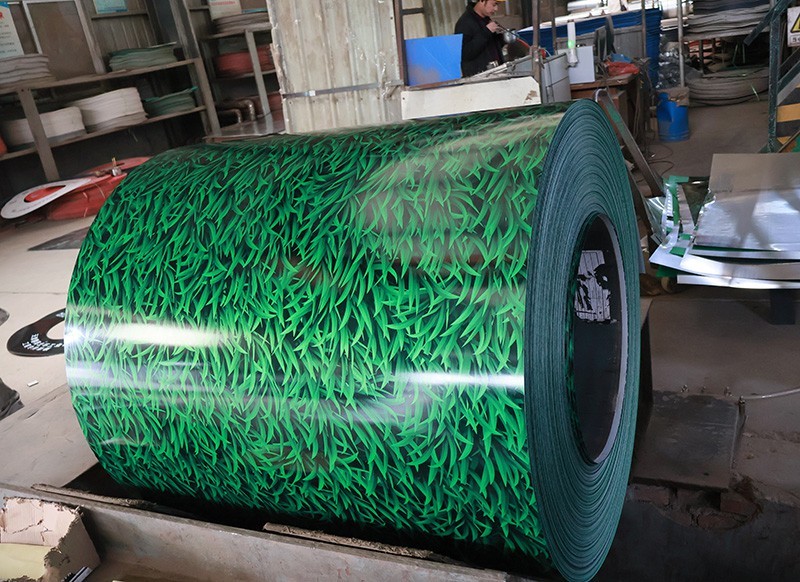
3. Polymer plastic fence plate: lightweight and cost advantages
Polymer plastic fence plates are mainly made of PVC, PP, and PE, and their strength is improved through modification technology. They are suitable for cost sensitive or quick installation scenarios.
1. Technical characteristics:
(1) PVC fence plate: hollow structure, weighing only 1/5 of steel, with excellent thermal insulation performance. PVC hollow boards from Luwei Plastic Industry have a smooth surface and are easy to clean and disinfect. They are commonly used in breeding farms and food processing plants.
(2) PP hollow board fence plate: acid and alkali resistant, UV resistant, with a recycling rate of up to 90%. For example, the polyethylene fence baffle of Ningjin Xinxing Chemical has strong impact resistance and can replace traditional metal fences in ice rinks and logistics warehouses, reducing costs by 30%.
2. Application scenarios:
(1) Temporary facilities: rapid enclosure of exhibitions and construction sites;
(2) Agricultural planting: zoning management of greenhouses and mushroom houses;
(3) Children's playground: Soft PVC fence to prevent collision.
4. The core logic of type selection: prioritizing scene adaptation
The selection of fence plate types requires comprehensive consideration of three elements: environmental corrosiveness, safety level, and cost budget. For example:
1. In highly corrosive environments (such as coastal areas and chemical plants), hot-dip galvanized steel fence plates are preferred;
2. Ecological landscape projects: Wood plastic or aluminum wood composite fence plates are more coordinated;
3. Temporary or low-cost demand: PVC/PP fence plate has outstanding cost-effectiveness.
5、 Future Trends: Intelligence and Multi functional Integration
With the development of IoT technology, fence plates are evolving towards intelligent monitoring. For example, some high-end fences integrate pressure sensors, infrared alarms, and real-time feedback of intrusion information; The wood plastic fence plate achieves self-cleaning and antibacterial functions through nano coating technology. These innovations will further expand the application boundaries of fence plates.
With the continuous advancement of technology and the increasing demand for quality of life, the three types of fence plates are also constantly innovating and developing. Metal fence plates are moving towards a more intelligent and environmentally friendly direction, such as smart fences with integrated monitoring and alarm functions; Wooden fence plates have made breakthroughs in anti-corrosion treatment and sustainable utilization, allowing the beauty of nature to continue for a long time; Plastic fence plates are constantly optimized in terms of material properties and appearance design to meet more personalized needs. Looking ahead to the future, these three types of fence plates will work together to bring more safety and beauty to our living and working environment.

 Language


 Address:Bo Xing County, Shandong Province
 E-mail: