In modern architecture and industrial manufacturing,
color coated steel sheets are widely used in factory construction, warehousing and logistics, cold chain insulation, residential roofing, and large venues due to their lightweight yet high-strength properties, diverse color options, ease of installation, and excellent weather resistance. As a type of galvanised steel sheet coated with a protective layer, color coated steel sheets theoretically possess strong corrosion-resistant properties and are unlikely to rust under normal environmental conditions. However, in extreme environments or under improper use, color coated steel sheets may still develop rust issues.
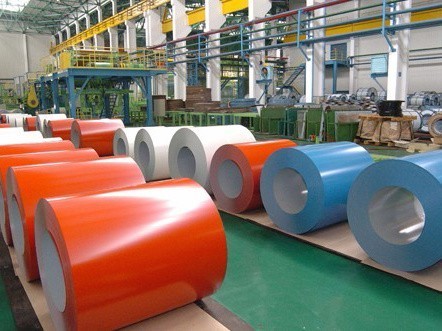
1. Do color coated steel sheets rust?
Color coated steel sheets typically use hot-dip galvanised steel sheets or electro-galvanised steel sheets as their base material, with an organic coating applied to the surface. The galvanised layer provides ‘sacrificial protection’ for the steel sheet, meaning that when the surface is slightly scratched, the zinc reacts with oxygen and moisture in the air first, thereby protecting the inner steel sheet from oxidation. Meanwhile, the external organic coating acts as a barrier to isolate air and moisture.
Under normal environmental conditions, colour-coated steel plates can remain rust-free for several years or even decades. However, if exposed to prolonged exposure to humid, high-salt fog, strong ultraviolet radiation, or acidic/alkaline corrosive environments, the surface coating may gradually degrade or peel off, exposing the steel plate and increasing the risk of rusting.
2. Causes of rusting in color coated steel sheets
Despite their strong protective properties, color coated steel sheets may still rust under improper use or in harsh environments, primarily due to the following reasons:
(1) Base material
The base materials for color coated steel sheets primarily include cold-rolled steel sheets, hot-dip galvanised steel sheets, and electro-galvanised steel sheets. Among these, cold-rolled steel sheets are relatively prone to rusting due to their weaker rust-resistant capabilities. Hot-dip galvanised substrates and electro-galvanised substrates enhance rust resistance through a galvanised coating, but if the coating is too thin or has defects, rusting may still occur.
(2) Coating type and quality
Color coated steel sheets have various coating types, such as polyester, silicone-modified polyester, polyvinylidene fluoride, and plastic sol. Different coatings have varying rust-resistant properties. If the coating quality is poor, such as being too thin, uneven, or prone to peeling, it will directly affect the rust-resistant capability of the color coated steel sheet.
(3) Usage Environment
The usage environment of color coated steel plates also significantly affects their rusting condition. For example, in humid, rainy, or environments with high concentrations of corrosive gases, color coated steel plates are more prone to rusting. Additionally, if color coated steel plates are exposed to direct sunlight for extended periods, ultraviolet rays can accelerate coating degradation, thereby reducing rust prevention performance.
(4) Chemical Corrosion Impact
When exposed to corrosive gases or chemicals, such as industrial emissions or chemical solvents, these substances can damage the protective layer of the color coated steel sheet, exposing it to the air and causing rusting. Additionally, factors like UV radiation and temperature changes may also cause the surface coating to age and crack, further accelerating the rusting process.
(5) Maintenance and Care Conditions
Maintenance and care of color coated steel sheets are also crucial factors in preventing rust. Regular cleaning, rust removal, and repainting of color coated steel sheets can extend their service life and reduce the likelihood of rusting. Conversely, without proper maintenance and care, color coated steel sheets are more prone to rusting.
3. Rust Prevention Measures for Color Coated Steel Sheets
To prevent rusting of color coated steel plates, numerous protective measures have been implemented in the production process:
(1) Zinc Coating Protection
The base material of color coated steel plates is typically hot-dip galvanised steel plates or electro galvanised steel plates. The zinc coating provides protective properties; even if there are minor scratches on the surface, the zinc coating will corrode first, thereby protecting the internal steel plate from oxidation.
(2) Organic Coating Protection
The surface is coated with coloured polyester, silicone-modified polyester, polyvinylidene fluoride (PVDF), or plastisol coatings. These materials exhibit excellent weather resistance, UV resistance, and corrosion resistance. High-grade fluorocarbon coatings can maintain weather resistance for over 20 years and are widely used in coastal and chemical environments with high corrosion levels.
(3) Surface Film Protection
Some high-end color coated steel sheets are equipped with a temporary protective film at the factory to prevent scratches during transportation and construction.
(4) Process Improvements
Continuous coating processes are used to ensure coating uniformity. Advanced baking and curing processes are employed to enhance coating adhesion and durability.
To extend the service life of color coated steel sheets, it is essential to implement scientific protective measures during installation and use:
(1) Regular cleaning
Regular cleaning of color coated steel sheets is crucial to effectively prevent the accumulation of dirt on their surfaces, protect the integrity of the coating, and slow down the ageing process of the steel sheets.
(2) Maintain dryness and ventilation
Have the color coated steel sheets been exposed to rainwater or do they have water droplets on their surfaces? If so, the water droplets and surface water should be dried promptly to keep the color coated steel sheets in a dry state and prevent rusting.
(3) Coating protection and repair
The appropriate use of suitable coatings can enhance the protective capabilities of color coated steel sheets and reduce the risk of corrosion on their surfaces.
(4) Correct installation methods
When installing color coated steel plates, ensure there are gaps between the plates to allow air circulation, preventing moisture accumulation. Improved airflow reduces the likelihood of plants and dirt adhering to the plate surface.
(5) Regular maintenance
Regular maintenance is crucial for installed color coated steel plates. Inspect the plate surface for damage, peeling, or dirt, and promptly repair and clean the surface to extend the plate's service life.
4. Rusting Time of Coloured Steel Sheets
The rusting time of coloured steel sheets depends on the environment they are in, generally around 3-5 years. In environments with high humidity and ample oxygen, coloured steel sheets may rust more easily. In dry, well-ventilated environments, the rusting time is extended.
If the color coated steel plates have undergone anti-corrosion treatment and are maintained in accordance with standard procedures and regular upkeep, their service life can be extended, and the rate of rusting slowed.
As a building material that combines aesthetics, durability, and cost-effectiveness, color coated steel plates play a significant role in the construction, industrial, and transportation sectors. Although color coated steel plates possess excellent corrosion resistance and a long service life, Under normal conditions, color coated steel sheets are unlikely to rust, but if they lack maintenance or are exposed to harsh environments, their rust-resistant properties will be compromised. Therefore, during use, it is essential to select materials scientifically and prioritise maintenance. This includes regular cleaning, proper installation, timely repairs, and periodic inspections to maximise the service life of color coated steel sheets and ensure the safety and aesthetic appeal of the project.

 Language


 Address:Bo Xing County, Shandong Province
 E-mail: