Galvanized plate, as a widely used metal material in the fields of construction, home appliances, automobiles, etc., its corrosion resistance is the core indicator that determines its service life. However, the rusting time of galvanized plate is not a fixed value, but is influenced by multiple factors such as environmental conditions, coating quality, processing technology, and usage scenarios. The rusting cycle of galvanized plate varies significantly from dry indoor environments to humid coastal areas, from short-term storage of raw materials to long-term exposure of outdoor components. This article will systematically analyze the key factors affecting the corrosion resistance of galvanized steel sheets and provide reference ranges for rust time in different scenarios.

1. Environmental factors: Humidity and corrosive media determine the rate of rusting
The corrosion resistance of galvanized plate varies significantly in different environments:
(1) Dry indoor environment: If galvanized plate is used in dry warehouses, factories and other scenarios, and there is no chemical corrosive medium (such as acid mist, salt mist), the zinc layer can remain stable for a long time (more than 10 years), and the substrate is almost rust free.
(2) Damp or coastal environment: High humidity (relative humidity>70%) or coastal areas (salty air) can accelerate the consumption of zinc layer. For example, galvanized plates used in coastal buildings may experience localized corrosion within 5-8 years and require maintenance after 10 years.
(3) Industrial pollution environment: If exposed to strong corrosive environments such as acid rain and chemical plant waste gas, the zinc layer may suffer severe loss within 3-5 years, and the substrate may quickly rust after direct exposure.
2. Galvanizing process: differences in durability between hot-dip galvanizing and electroplating galvanizing
The galvanizing process directly affects the thickness and adhesion of the zinc layer, thereby determining the anti-corrosion life:
(1) Hot dip galvanizing: A zinc layer is formed by immersing a steel plate in a molten zinc solution, typically with a thickness of 50-100 μ m. It has strong adhesion and excellent corrosion resistance. In ordinary outdoor environments, hot-dip galvanized plate can be used for 15-20 years without rusting.
(2) Electrogalvanizing: a zinc layer is deposited on the surface of steel plates by electrolysis, with a thinner thickness (5-25 μ m) and weaker corrosion resistance than hot-dip galvanizing. Electroplated galvanized plate may rust in a humid environment for 5-10 years.
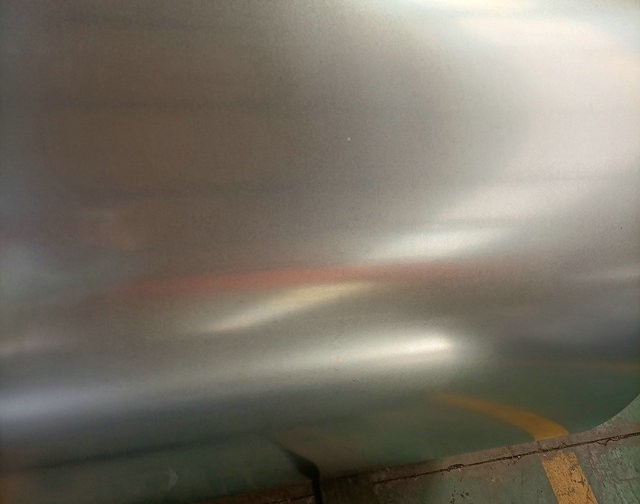
3. Zinc layer thickness: The thicker the thickness, the longer the protection time
The thickness of the zinc layer is the core indicator for measuring the corrosion resistance of galvanized plate:
(1) Standard thickness (≥ 65 μ m): Hot dip galvanized plates that meet national standards can be used for more than 15 years in ordinary environments.
(2) Thin zinc layer (<50 μ m): If the zinc layer is too thin, it may cause local wear or corrosion penetration within 5-8 years, leading to rusting of the substrate.
(3) Ultra thick zinc layer (>100 μ m): suitable for extreme corrosive environments (such as offshore platforms), the protection time can be extended to more than 20 years.
4. Usage and maintenance: Scratches, collisions, accelerated rusting
The use of galvanized plate directly affects its lifespan:
(1) Avoid mechanical damage: If the zinc layer is scratched or bumped, causing the substrate to be exposed, it should be repaired in a timely manner (such as applying zinc rich paint), otherwise the exposed area may rust within 1-2 years.
(2) Regular cleaning: Removing surface dust and dirt can prevent the accumulation of corrosive media and extend the life of the zinc layer.
(3) Moisture resistant storage: Unused galvanized plates should be stored in a dry and ventilated place to avoid contact with water or corrosive substances.
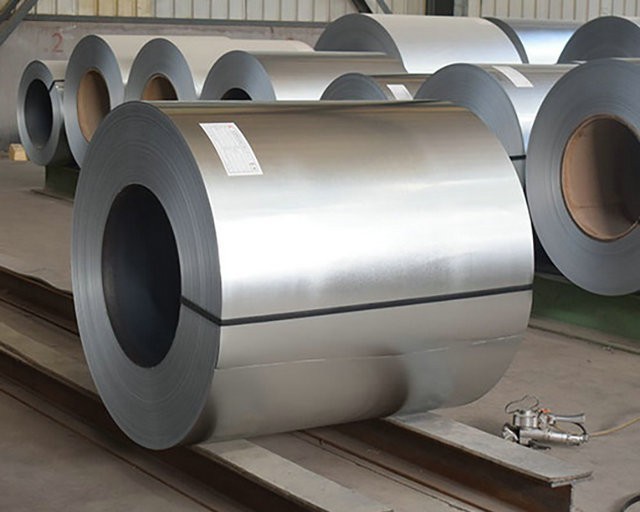
The rusting time of galvanized plate needs to be judged based on specific scenarios: in a dry and pollution-free indoor environment, high-quality galvanized plate can maintain rust free for more than 20 years; In coastal or industrial pollution areas with high humidity and salt spray, even if hot-dip galvanizing technology is used, significant corrosion may occur within 3-5 years. If there is damage, insufficient thickness, or processing defects in the coating, the rusting time will be further shortened. To extend the service life, it is recommended to choose hot-dip galvanized plates with a coating thickness of ≥ 80 μ m, avoid contact with acidic and alkaline substances, and regularly inspect and maintain them. Through scientific material selection and environmental control, galvanized plate can fully meet the long-term corrosion resistance requirements of most industrial scenarios.

 Language


 Address:Bo Xing County, Shandong Province
 E-mail: