
 Language


More Language
Language
Galvanized steel has become an important material in the construction, automotive, electric power and home appliance industries due to its excellent corrosion resistance and wide range of application scenarios. However, the special nature of the welding process for galvanized steel requires adequate preparation before welding in order to ensure welding quality and structural strength.
Galvanized steel is a product of ordinary carbon steel treated by the galvanizing process, which forms a physical and electrochemical double protective barrier by covering the surface with a layer of zinc metal. Zinc is chemically active and reacts preferentially with oxygen and water vapor to produce a dense oxide film (ZnO), which prevents further rusting of the steel. According to the process, it is mainly divided into two categories:
(1) Hot-dip galvanized steel: steel is immersed in a molten zinc solution (about 450°C) to form a 50-150 micron thick zinc layer, which has strong adhesion and is suitable for outdoor environments.
(2) Electro-galvanized steel: A 5-30 micron zinc layer is deposited on the steel surface through electrolysis, which has a smoother surface and is commonly used for home appliances and automotive panels.
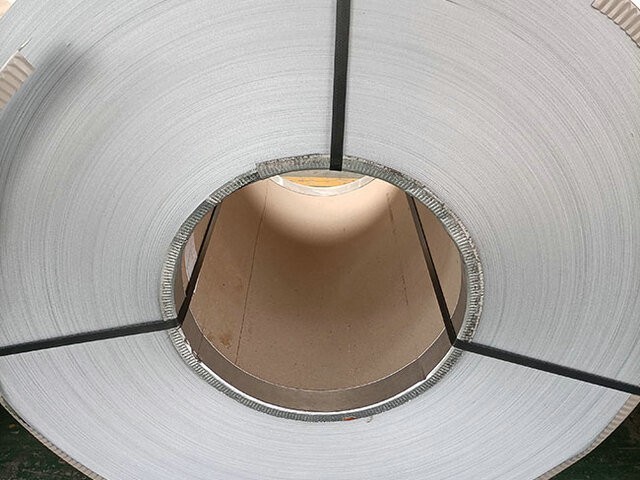
Before welding galvanized steel, the first thing to do is to prepare the necessary welding tools, including welding pliers, electric welding pliers and so on. The choice of welding current should be based on the thickness of steel, welding position and welding method to decide. At the same time, it is especially important to choose good quality and suitable specification welding materials, and the type of electrode directly affects the welding quality.
The first step is to grind the weld sufficiently to remove the galvanized layer on it. This is because failure to carry out this step may lead to the emergence of bubbles, trachoma, false welds and other problems, as well as affecting the toughness of the weld, making it weak and reducing the rigidity of the overall structure.
When the ambient temperature is low (below 0°C), or the thickness of the steel is large (greater than 10mm), preheating is required before welding. Preheating reduces the risk of thermal cracking and helps the weld to fuse better. In general, the preheating temperature should be controlled at about 150C, depending on the type and thickness of the steel.
The design of the bevel has a great impact on the quality of the weld. If the plate is thicker, open bevel welding is recommended. Bevel welding ensures that the weld can be welded through and avoids the generation of dead space that is not welded through.
Galvanized steel in the welding process will produce a large number of zinc vapors, these vapors are harmful to the human body, so welding operations must be carried out in a well-ventilated environment, or wear appropriate protective equipment (such as gas masks).
manual arc welding is a commonly used welding method, suitable for thicker galvanized steel, but spatter is larger, need to pay attention to control the current and welding speed. The following points need to be noted when using:
① Select passivated electrode. Passivated electrodes help to reduce the generation of zinc vapor, reducing the harm.
② Use layer-by-layer filler welding. For each layer, wait until it cools down before proceeding to the next layer. This will help to reduce the welding temperature, galvanized steel has a better protective effect.
gas welding for iron, steel and other metal welding, with argon or mixed gas protection, welding quality is better, less spatter, suitable for thin plate welding. The use of the following points should be noted:
① Select the appropriate gas welding nozzle. Should choose to produce a small flame gas welding nozzle.
② control the flame size. Too large a flame is easy to make the zinc layer burnt, affecting the welding quality.
Plasma welding is a high energy density welding method, suitable for difficult or special materials welding. The use of the following points should be noted:
① Control of welding temperature and energy density. Excessive energy density can cause material damage and produce zinc vapor.
② The filler material should be similar to the base material to be welded. This will avoid cracks and other quality problems in the weld.
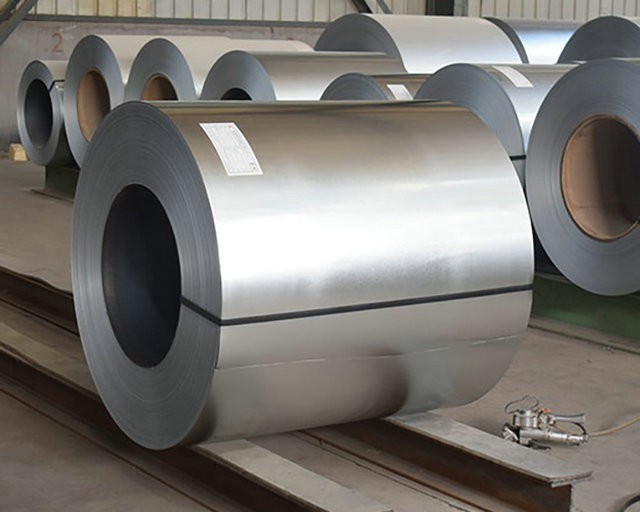
When welding galvanized steel, the choice of parameters has a great influence on the quality.
When welding galvanized steel, the current usually needs to be slightly lower than when welding ordinary carbon steel. This is to reduce the generation of zinc vapor, and to avoid the zinc layer is too much evaporation
development.
The welding speed should be suitably fast to help reduce heat input and to reduce the amount of zinc evaporation. Appropriate welding speed reduces air bubbles and sand
eyes in the weld and improves the quality of the weld.
If gas shielded welding is used, it is recommended to use a gas mixture containing a small amount of oxygen, which helps to stabilize the arc and ensure the quality of the weld.
After welding is completed, the damaged area of the galvanized layer is prone to rust, and anti-corrosion treatment is recommended.
After welding is completed, weld slag and spatter should be cleaned up first to avoid their influence on subsequent use.
In order to restore the anticorrosive properties of the welded area, zinc replenishment treatment is recommended for the weld and heat-affected zone.
Common zinc replenishment methods: including spray zinc paint using cold galvanized paint
When welding galvanized steel, special attention should be paid to safety precautions.
(1) Wear a gas mask or respirator to avoid inhaling zinc vapors.
(2) Wear protective clothing and gloves to prevent splash burns.
(3) Ensure that the working environment is well ventilated to avoid accumulation of zinc vapors.
The zinc layer insulates the steel from air and moisture, and even when partially broken, the zinc protects the steel through the action of a “sacrificial anode”. According to the American Galvanizing Association (AGA) data, hot-dip galvanized steel in the ordinary atmosphere can be up to 50-100 years of service life, far more than ordinary steel 5-10 years.
Although the initial cost of galvanized steel is 10-20% higher than ordinary steel, the long-term maintenance costs are extremely low. For example, galvanized steel for bridges can reduce painting maintenance costs by 90% (Source: International Zinc Association).
Galvanized steel can be stamped, welded and bent, but note that the melting point of the zinc layer is low (about 420°C) and the temperature needs to be controlled when welding. Electro-galvanized steel is more suitable for precision stamping due to its uniform surface.
Hot-dip galvanized steel has a silver-gray crystalline pattern on the surface (commonly known as “zinc flowers”), while electro-galvanized steel is more subtle. Modern processes can also obtain colored coatings (e.g. blue-white, green-yellow) through passivation.
Zinc is 100% recyclable and the slag from the galvanizing process can be regenerated by the Waelz process. EU studies show that galvanized steel has 60% lower carbon emissions than stainless steel (source: European Steel Technology Platform).
- Construction: roofing, steel frames (galvanization ≥ 275g/㎡, compliant with GB/T 13912)
- Automobile: body panels (electro-galvanized layer thickness 7-15 microns)
- Electric power: power transmission towers (hot-dip galvanized anti-corrosion life ≥ 30 years)
Galvanized steel is not only a durable material, but also an indispensable and important support for modern industry and construction. The optimization and standardization of its welding process is directly related to structural safety and project quality. With the progress of science and technology and the development of industry, galvanized steel will continue to give full play to its unique performance advantages and provide strong support for the development of various fields.
China galvanized plate manufacturer: Boxing Shuangshengda Steel specializes in galvanized sheet, galvanized steel plate,Colour steel plate etc.We have a full range of product specifications and types, low prices, and more than 20 years of experience, worthy of your trust
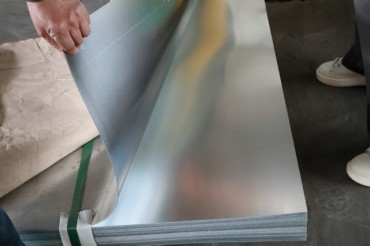
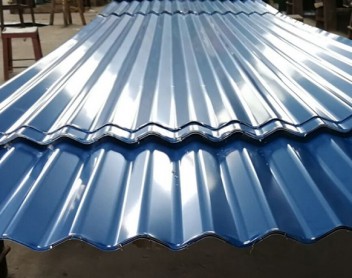

 Address:Bo Xing County, Shandong Province
 E-mail: