The application effect of printed color coated plate in outdoor is excellent! It shines brightly in scenes such as building exterior walls and roofs with its unique performance. It can resist extreme weather conditions such as ultraviolet radiation, salt spray, and acid rain, with a service life of up to 30-50 years. For factories in coastal areas, printed color coated plates with a combination of high zinc layer and weather resistant polyester coating are used. After several months of construction, the luster remains the same without fading or mottled phenomenon. In public buildings, self-cleaning coatings allow rainwater to wash away dust and reduce maintenance costs. This article systematically analyzes the application effect of printed color coated plates in outdoor environments from four aspects: technical principles, performance indicators, application scenarios, and development trends.
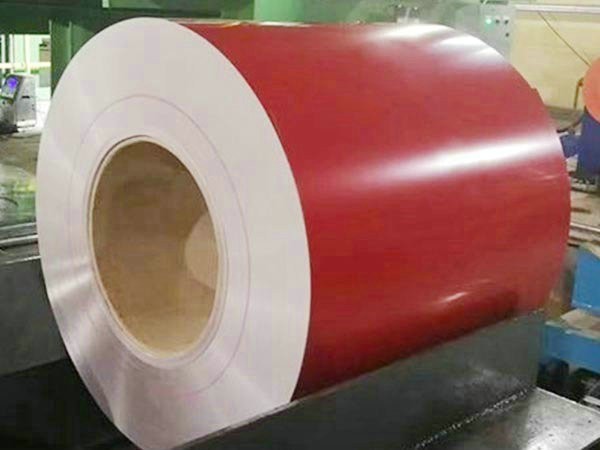
1. Technical principles and material composition
1.1 Substrate selection and pretreatment
Printed color coated plates are made of cold-rolled steel plates, galvanized steel plates, or aluminum zinc alloy plates as substrates, and the surface oxide layer is removed through chemical treatments such as acid washing and phosphating to form a dense chemical conversion film. This film layer can enhance the adhesion of the coating while blocking direct contact between the substrate and the corrosive medium. For example, the galvanized layer can form a zinc ion protective film in a salt spray environment, delaying the corrosion rate of the substrate.
1.2 Coating System Design
The coating system adopts a three-layer structure of "primer+intermediate coat+topcoat":
(1) Primer: mainly composed of epoxy resin, providing substrate adhesion and rust prevention function, with a thickness controlled at 5-8 μ m;
(2) Intermediate coating: using polyester resin to enhance the flexibility of the coating and adapt to the thermal expansion and contraction of the substrate;
(3) Topcoat: Choose fluorocarbon, silicone modified polyester or acrylic resin according to the application scenario. Fluorocarbon topcoat contains over 70% PVDF resin and has excellent UV resistance and chemical stability.
1.3 Printing Process Innovation
High precision color matching printing technology achieves micro level pattern positioning through multi roll transfer printing, combined with UV curing technology to shorten the production cycle. For example, using a six color overlay system can restore over 95% of Pantone color cards, meeting the color hierarchy requirements of building curtain walls.
2. Outdoor application performance indicators
2.1 Weather resistance
(1) UV accelerated aging test: Simulate a 5-year outdoor environment in a QUV aging chamber, with a color difference Δ E ≤ 2.0 and a light retention rate>85% for printed color coated plates; The ordinary polyester coating can achieve a Δ E of 4.5 and a light retention rate of 70%.
(2) Salt spray corrosion test: according to GB/T1771 standard, after continuous spray of 5% NaCl solution for 1000h, the printed color coated plate has no blistering and peeling, and the adhesion of cross cut method reaches grade 0; The silicon modified polyester coated board only shows slight rust spots.
(3) Damp heat cycle test: After 100 cycles at 60 ℃/95% RH, the coating showed no expansion or cracking, indicating its excellent resistance to moisture and heat.
2.2 Mechanical Properties
(1) Bending performance: According to GB/T1459 standard, the coating has no cracks after 180 ° bending test, indicating that its flexibility meets the standard.
(2) Impact resistance: After the 50kg · m impact test, the coating is intact and suitable for hail impact in extreme weather conditions.
(3) Wear resistance: Taber abrasion tester test shows that the wear of fluorocarbon coating is ≤ 3mg/1000 revolutions, which meets the needs of high flow areas.
2.3 Color Stability
(1) Initial color difference control: Adopting a fully automatic color matching system, the color difference Δ E between batches is ≤ 1.5, ensuring color consistency for large-scale projects.
(1) Long term color retention: After 5 years of outdoor exposure, printed color coated plates have a Δ E ≤ 3.0, while ordinary polyester coatings have a Δ E>5.0, resulting in significant fading.
(3) Stain resistance: Carbon black method testing shows that the Δ E of printed color coated plates only increases by 0.8 after contact with pollution, and the recovery rate after rinsing with clean water is greater than 90%.
3. Adaptability to outdoor application scenarios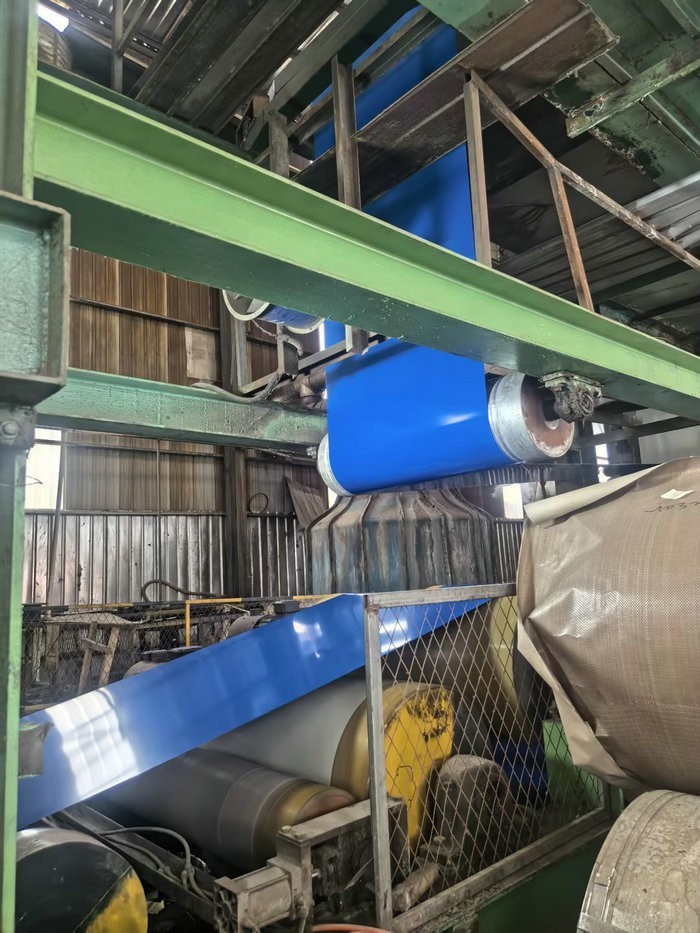
3.1 Building Curtain Wall System
(1) Self cleaning function: The surface contact angle of the silicon modified polyester coating is greater than 110 °, and dust can be removed by rainwater flushing, reducing maintenance costs.
(2) Thermal insulation performance: High reflectivity coating (reflectivity>85%) can reduce building air conditioning load by 15% -20%, in line with green building standards.
(3) Fireproof performance: A-level non combustible substrate combined with flame-retardant coating meets the requirements of high-rise building fire protection regulations.
3.2 Transportation infrastructure field
(1) Salt spray corrosion resistance: Bridge guardrails in coastal areas are made of printed color coated plates, with a service life extended from 8 years for ordinary coatings to 25 years.
(2) Wind resistance performance: The deformation of 0.8mm thick coated plate under 12 levels of wind pressure is less than 2mm, ensuring structural safety.
(3) Anti sticking performance: Special surface treatment can prevent small advertisements from sticking and keep the appearance of the facility clean.
3.3 Application of Industrial Facilities
(1) Chemical corrosion resistance: The enclosure structure of the chemical plant area is made of PVC plastic sol coated board, which can resist acid and alkali gas erosion and has a service life of more than 15 years.
(2) High temperature resistance: After continuous heating at 120 ℃ for 90 hours, the coating does not change color and is suitable for high temperature environments such as boiler rooms.
(3) Anti static performance: By adding conductive fillers, the surface resistance is controlled at 10 ? -10 ? Ω to prevent the risk of dust explosion.
4. Technological development trends
4.1 Development of Functional Coatings
(1) Photocatalytic coating: doped with TiO ? nanoparticles, achieving dual functions of self-cleaning and air purification.
(2) Phase change energy storage coating: Microcapsule encapsulation technology introduces phase change materials into the coating to regulate the microclimate of buildings.
(3) Electromagnetic shielding coating: Adding conductive fibers, the shielding efficiency reaches over 40dB, meeting the protection requirements of 5G base stations.
4.2 Green Manufacturing Technology
(1) Application of water-based coatings: VOC emissions have been reduced from 120g/m 2 for solvent based coatings to 20g/m 2, in compliance with the EU REACH regulation.
(2) Powder coating process: Recovery rate>98%, achieving zero wastewater discharge.
(3) Development of bio based resin: Replacing petroleum based raw materials with vegetable oil modified polyester, reducing carbon footprint by 30%.
4.3 Intelligent Production System
(1) AI color grading system: Optimizing formulas through machine learning algorithms to shorten new product development cycles by 50%.
(2) Online detection technology: using hyperspectral imaging to monitor coating thickness and uniformity in real time, the product qualification rate has been increased to 99.5%.
(3) Digital twin model: Establish a coating aging prediction database to achieve full lifecycle management.
In summary, the application effect of printed color coated plates in outdoor environments can be considered excellent. It plays an important role in the fields of building exterior walls, roofs, billboards, etc. due to its excellent weather resistance, corrosion resistance, and aesthetics. Whether dealing with extreme cold and heat, or resisting salt spray and acid rain, it can maintain long-term stability. In the future, with the continuous advancement of technology, the performance of printed color coated plates will be further optimized, and the application fields will also be further expanded. I believe it will shine in more outdoor scenes, adding more beauty and practicality to our lives.

 Language


 Address:Bo Xing County, Shandong Province
 E-mail: