Although color coated plates and color coated steel plates are often mixed, there are essential differences between the two in terms of definition, process, and application. Simply put, color coated sheet is a type of color steel plate, but the scope of color steel plate is broader - color coated sheet specifically refers to composite materials with metal substrates (such as cold-rolled sheet and galvanized sheet) as the base, coated with organic coatings (such as polyester and silicon modified polyester) after surface pretreatment, and baked and cured, with heavy decorative and weather resistance properties; Color coated steel plates include color coated plates and uncoated primary color steel plates, and can even extend to color coated plates based on other materials such as aluminum plates.

1. Definition and Category: The Fundamental Difference between Subordination and Generalization
The key to clarifying the relationship between the two lies in defining its scope.
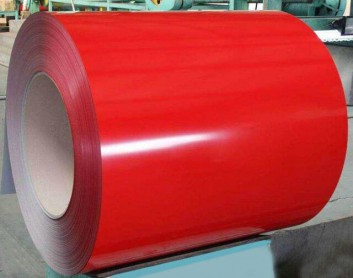
1. Color coated board: This is a professional term with a clear process definition. It specifically refers to composite materials made by continuously coating one or more layers of organic coatings (such as polyester, silicon modified polyester, polyvinylidene fluoride PVDF, etc.) on the surface of various metal substrates (most commonly cold-rolled steel plates, hot-dip galvanized plates, aluminum plates, etc.) after strict pretreatment (cleaning, degreasing, chemical conversion treatment), and curing them through high-temperature baking. Therefore, color coated board is a standardized product name that emphasizes the process and quality of "coating".
2. Color coated steel plate: This is a relatively broad colloquial or general term, not a strict academic term. It usually refers to steel plates with colored coatings on all surfaces. From a category perspective, color coated plates are the most mainstream and standardized type of color steel plates. But the term 'color steel plate' may sometimes be used to refer to products that use non continuous baking coating processes (such as spraying) or have lower coating quality. Therefore, color coated plates belong to high-quality color coated steel plates, but not all color coated steel plates can be strictly referred to as color coated plates.
2. Core process: Differences between continuous baking and diverse coating
The production process is the core that determines product performance and quality, and it is also the most essential difference between the two.
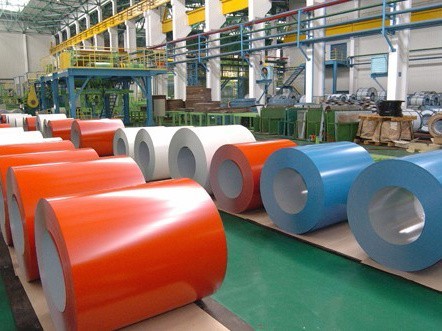
1. Standardized continuous production of color coated plates: The production of color coated plates is completed on highly automated continuous production lines (CCL). The substrate is unfolded in the form of a roll, which is sequentially processed through cleaning, chemical coating, initial coating, precision coating, baking and curing, and post cooling, and finally rewound or cut to length. Among them, high-temperature baking curing is a key step in forming excellent coating performance, which enables the organic coating to firmly bond with the substrate and endows the coating with excellent durability, flexibility, and rich color expression. This continuous production ensures stable and efficient product quality.
2. Diversified implementation methods for color coated steel plates: The acquisition methods for the surface color layer of "color coated steel plates" are even more diverse. In addition to the advanced technology that includes the above-mentioned color coated board, it may also refer to:
-Post processing and spraying: on-site or factory spraying and coloring on the surface of formed profiled steel sheets or sandwich panels. The coating uniformity, adhesion, and durability of this process are usually inferior to those of continuously produced color coated boards.
-Laminated (film) board: Achieving a colored appearance by bonding a layer of colored plastic film onto a substrate.
-Other non continuous coating processes.
In short, the process of color coated board is standardized and continuous; The process of "color steel plate" is a broader concept set.
3. Performance and Application: Emphasis on Durability and Applicable Scenarios
Different definitions and processes ultimately lead to differences in performance and applicable scenarios.
1. Excellent performance and wide application of color coated panels: Thanks to standardized continuous production and high-quality coating systems, color coated panels have a series of superior properties:
-Durability: Excellent UV resistance, weather resistance, corrosion resistance, and powdering resistance, with a long service life.
-Decorative: Rich and full colors, smooth and even coating surface, high-quality texture.
-Processability: Good flexibility and adhesion, able to adapt to certain bending, stamping and other forming processes without easy cracking or peeling.
Therefore, color coated panels are widely used in applications that require high durability and appearance, such as large public buildings, industrial plant roofs and walls, household appliance casings (microwave ovens, refrigerator panels), office partitions, etc.
2. The performance of color coated steel plates depends on specific processes: the performance of "color coated steel plates" varies greatly depending on their implementation methods. Color steel products made from high-quality color coated panels naturally have excellent performance. Products that use simple spraying or laminating processes may have relatively weaker weather resistance, durability, and mechanical properties, and are more commonly used in temporary buildings, indoor partitions, or situations where lifespan requirements are not high.
In summary, color coated plates and color coated steel plates are not simply synonymous or parallel. Color coated plate is a specific product category with clear definition, advanced technology and excellent performance, which represents the high standard of the industry. And 'color coated steel plate' is a broader term, with varying quality and performance, which may include color coated plates or color coated plates produced by other processes. In professional material selection and communication, it is wise to clearly specify and prioritize the use of color coated boards that meet specifications to ensure project quality and long-term benefits.

 Language


 Address:Bo Xing County, Shandong Province
 E-mail: