
 Language


More Language
Language
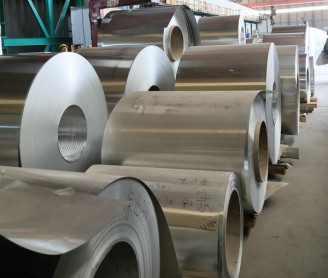
Color coated coils represent an emerging architectural decorative material that has garnered significant market attention in recent years. Primarily composed of a coating and substrate, their surfaces undergo specialized treatment to showcase vibrant patterns and hues. These coils find extensive applications across home decoration, commercial spaces, industrial facilities, and more. This article provides a comprehensive overview of their characteristics and application scenarios from multiple perspectives.
Color coated coils primarily consist of three parts: substrate, chemical conversion coating, and organic coating.
- Substrate: Typically cold rolled steel sheets, hot dip galvanized steel sheets, or electro galvanized steel sheets. Cold rolled steel sheets offer excellent formability, meeting diverse complex shaping requirements; hot dip galvanized steel sheets provide superior rust resistance due to their zinc coating, ensuring fundamental strength and durability for the coil; electrogalvanized steel sheets feature uniformly distributed zinc layers and high surface quality, creating an optimal foundation for subsequent coating adhesion.
- Chemical Conversion Coatings: These play a crucial transitional and bonding role between the substrate and organic coating. They enhance adhesion between the substrate and coating, improve coating durability, and prevent rusting of the metal substrate. Common chemical conversion coatings include chromate conversion coatings and phosphate conversion coatings. These coatings form a thin protective layer on the substrate surface through chemical reactions. Though minimal in thickness, they significantly impact the overall performance of color coated coils.
- Organic Coating: This is the key component responsible for the diverse colors and specialized properties of color coated coils. Organic coatings come in diverse types, including polyester (PE) coatings, silicone modified polyester (SMP) coatings, and fluorocarbon (PVDF) coatings. Each type possesses distinct characteristics to meet specific application demands. For instance: Silicone modified polyester coatings enhance the hardness, weather resistance, and stain resistance of standard polyester coatings through silicone modification, making them ideal for demanding applications like building exteriors requiring high durability; Fluorocarbon coatings are renowned for their exceptional weather resistance, chemical corrosion resistance, and self cleaning properties, commonly used in high end architecture and facilities exposed to harsh environments.

(1) Outstanding Decorative Properties: Color coated coils can be formulated into a wide range of colors—such as common white, blue, red, and gray—or even mimic special textures like wood grain and stone patterns, offering diverse aesthetic options. Their smooth, flat surface coating with excellent gloss significantly enhances visual appeal and meets varied decorative demands. Whether in modern commercial buildings or personalized home interiors, color coated coils add distinctive charm to spaces through their outstanding decorative qualities.
(2) Superior Corrosion Resistance: The organic coating applied to the steel surface effectively shields the metal substrate from exposure to corrosive elements like moisture, oxygen, acids, and alkalis in the environment, substantially enhancing the steel's corrosion resistance. Different combinations of organic coatings and substrates adapt to diverse corrosive environments. For instance, in coastal areas or regions with severe industrial pollution, color coated coils featuring hot dip galvanized substrates and fluorocarbon coatings resist erosion from sea winds and corrosion from industrial exhaust. They maintain long term integrity and performance stability, extending product lifespan while reducing maintenance costs.
(3) High Strength and Excellent Formability: With steel as the substrate, color coated coils inherit the material's high strength and good toughness. While ensuring adequate structural integrity, they also exhibit excellent formability. This allows them to be processed through various techniques—such as shearing, bending, and stamping—into diverse product components. For instance, in construction, they can be fabricated into roofing tiles, wall panels, and other architectural components; in automotive manufacturing, they are stamped into vehicle bodies and interior trim parts. This adaptability makes color coated coils highly versatile and flexible across diverse industrial applications.
(4) Lightweight: Compared to some traditional building materials or metals, color coated coils are relatively lightweight. This characteristic offers distinct advantages in construction: it reduces the overall weight of buildings, lessens the load on foundation engineering, and lowers construction costs. Additionally, it facilitates transportation and installation, thereby improving construction efficiency. In sectors with stringent weight requirements—such as automotive and rail vehicle manufacturing within transportation—the lightweight nature of color coated coils helps reduce vehicle curb weight, thereby improving fuel efficiency and transport performance.
(5) Enhanced Fire Resistance: Certain organic coatings used on color coated coils possess fire retardant properties, capable of delaying fire spread to some extent. This provides critical time for evacuation and firefighting operations. Certain color coated coils undergo specialized fireproofing treatments, achieving fire resistance ratings that meet relevant standards. These are suitable for locations demanding high fire safety, such as public buildings like shopping malls, hospitals, and schools.
(6) Environmental Protection and Energy Efficiency: With growing environmental awareness, color coated coils offer advantages in eco friendliness and energy conservation. Some utilize water based organic coatings, minimizing environmental pollution during production and use. Moreover, their relatively long service life reduces resource waste and environmental pollution caused by frequent material replacements. Additionally, in building applications, the excellent thermal insulation properties of color coated coils can lower building energy consumption, achieving significant energy saving effects.
(1) Construction Field: Color coated coils have extensive applications in the construction sector. In industrial buildings, they are commonly used for roofing and wall cladding structures. Their rich color options and easy installation not only meet functional requirements but also enhance the overall aesthetics of the facility. In residential and commercial buildings, color coated coils are used for exterior wall cladding and roofing. Particularly, new products undergo specialized treatments to mimic the textures of various building materials like stone or wood, offering greater creative freedom in architectural design and enabling unique styles.
(2) Home Appliance Industry: Color coated coils are extensively used in manufacturing the outer shells of home appliances like refrigerators, washing machines, and air conditioners. Their superior decorative properties satisfy consumer demands for aesthetically pleasing and personalized appliance exteriors. Simultaneously, excellent corrosion resistance and workability ensure the quality and longevity of appliance casings. Color coated coils with diverse colors and surface finishes enhance the market competitiveness of home appliances, catering to varied consumer aesthetics and home decoration styles.
(3) Transportation Industry: In automotive manufacturing, color coated coils are used for certain body components like doors and hoods. They not only provide attractive decorative finishes but also reduce vehicle weight, improving fuel efficiency. Applications also extend to railcars and ships, where they serve primarily for interior decoration and structural components. Their corrosion resistance and decorative properties enhance the overall quality and comfort of transportation vehicles.
(4) Other Fields: Color coated coils find applications in various other sectors. For instance, in furniture manufacturing, they serve as surface finishes for metal furniture. In advertising, they are fabricated into diverse outdoor billboards and display stands, where their vibrant colors and durability capture attention and ensure effective advertising impact.
With its unique composition, diverse characteristics, and extensive applications, color coated coil has become an indispensable material in modern industry and daily life. As technology advances and market demands evolve, the performance and application scope of color coated coil will continue to improve and expand.
China galvanized plate manufacturer: Boxing Shuangshengda Steel specializes in galvanized sheet, galvanized steel plate,Colour steel plate etc.We have a full range of product specifications and types, low prices, and more than 20 years of experience, worthy of your trust
 Address:Bo Xing County, Shandong Province
 E-mail: