
 Language


More Language
Language
Aluminum-manganese-magnesium plate is a high-performance aluminum alloy plate primarily composed of aluminum with appropriate amounts of manganese and magnesium added. It combines advantages such as light weight, high strength, corrosion resistance, ease of processing, and aesthetic appeal, making it widely used in multiple fields including construction, transportation, aviation, chemical engineering, and machinery manufacturing. With the advancement of green building practices and high-end manufacturing, aluminum-manganese-magnesium plates are increasingly becoming a vital component in modern metal materials. This article comprehensively analyzes the applications and development prospects of aluminum-manganese-magnesium plates from three perspectives: structural characteristics, performance advantages, and typical application fields.
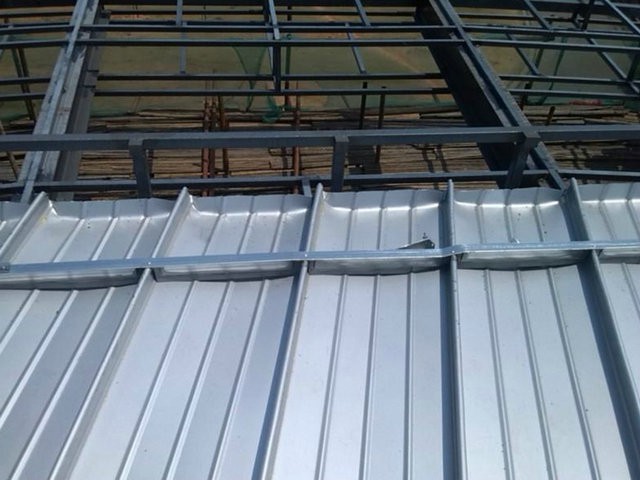
Aluminum-manganese-magnesium plates belong to the composite materials of the 3000 and 5000 series aluminum alloys, typically represented by grades such as 3004, 3005, 3104, 5052, and 5754. Their chemical composition is rationally designed, with manganese primarily enhancing corrosion resistance and magnesium improving material strength and weldability. This material exhibits the following characteristics:
With a density of approximately 2.73 g/cm3, aluminum-manganese-magnesium plate weighs only one-third as much as steel. Its lightweight nature makes it an ideal alternative to traditional steel materials, particularly suited for weight-sensitive applications such as roofing construction, transportation, and aerospace.
Through alloying treatment, aluminum-manganese-magnesium plates achieve tensile strengths of 220–320 MPa with high elongation and superior fatigue resistance. These properties ensure stable structural integrity under complex loading conditions and harsh environments.
The addition of manganese and magnesium forms a dense oxide layer on the alloy surface, effectively resisting corrosion from environments like acid rain and salt spray. This makes it particularly suitable for coastal regions or chemical processing settings.
Aluminum-manganese-magnesium plates are easily welded, cut, stamped, bent, and rolled, making them ideal for large-scale installations and structural assemblies.
The surface of aluminum-manganese-magnesium plates can undergo anodizing, fluorocarbon spraying, or color coating treatments, offering multiple decorative effects. They are widely used in building facades and roof cladding.
The manufacturing process of aluminum-magnesium-manganese plates encompasses multiple stages including smelting, casting and rolling, heat treatment, cold rolling, and surface finishing. With advancements in modern aluminum processing technology, the performance and stability of the product have been significantly enhanced.
Using high-purity aluminum ingots as raw material, vacuum smelting and twin-roll continuous casting are employed to achieve fine-grained microstructure and improved surface flatness.
Annealing and solution treatment optimize grain structure, enhancing the alloy's ductility and weldability.
Advanced fluorocarbon spraying and color coating processes significantly improve weather resistance, ensuring no fading or peeling for over 20 years under intense UV radiation, acid rain, and salt spray environments.
Modern production lines incorporate online thickness gauges, automated coating inspection systems, and intelligent leveling equipment to guarantee uniform plate thickness, strong coating adhesion, and flawless appearance.
Aluminum-magnesium-manganese plates find their most extensive application in the construction sector, particularly in high-end metal roofing systems and curtain wall cladding systems.
- Roofing Systems: Due to their lightweight, high strength, and corrosion resistance, these plates are extensively used in large-scale projects such as airport terminals, sports stadiums, exhibition centers, subway stations, convention halls, and industrial building roofs. Aluminum-magnesium-manganese roofing plates can be connected via standing seam, interlocking, or welding methods, ensuring excellent waterproofing and wind resistance. Additionally, their superior heat reflection properties effectively reduce building energy consumption, aligning with modern green and energy-efficient construction principles.
- Curtain Wall Cladding: Aluminum-magnesium-manganese plates offer diverse surface finishes in colors and textures, delivering a modern, stylish, and durable appearance. In commercial complexes, high-rise office buildings, hotels, and exhibition halls, these plates are the preferred choice for curtain walls due to their superior weather resistance and premium texture. Compared to traditional stone cladding, they are lighter in weight, easier to install, and offer enhanced safety.
The lightweight and high-strength properties of aluminum-manganese-magnesium plates play a vital role in the manufacturing of transportation equipment.
- Rail Transit: In structures such as subway trains, high-speed trains, and light rail vehicles, these plates are used for body shells, roof plates, floors, side walls, and insulation plates. This reduces overall vehicle weight while enhancing energy efficiency.
- Automotive Manufacturing: With the rise of new energy vehicles and lightweighting trends, aluminum-manganese-magnesium plates are extensively applied in automotive components like engine hoods, door inner plates, chassis protection plates, fuel tanks, and cargo bed floors. Compared to steel, aluminum-manganese-magnesium alloys significantly reduce fuel consumption, extend driving range, and improve corrosion resistance.
- Marine and Offshore Engineering: Owing to its excellent salt spray resistance, aluminum-manganese-magnesium plate is highly suitable for ship hulls, decks, bulkheads, containers, and dock structures, offering long-term corrosion protection and good weldability.
Aluminum-manganese-magnesium plates also excel in tank manufacturing. Their corrosion resistance, weldability, and high strength make them the preferred material for liquid storage tanks, fuel tanks, food-grade tanks, and chemical containers.
For example: In food processing, these plates are used for milk, beer, and juice storage tanks, offering both hygiene and durability; In the chemical industry, they are suitable for acid-alkali storage tanks, preventing metal corrosion and leakage issues; in the new energy sector, they are employed in the manufacturing of high-pressure vessels like hydrogen storage tanks and liquefied gas tanks.
With the advancement of renewable energy technologies, aluminum-manganese-magnesium plates are increasingly becoming a key material in new energy equipment.
- Solar PV Mounting Structures and Reflectors: Possess excellent UV resistance and reflectivity, enhancing power generation efficiency.
- Wind turbine housings and structural components: Demonstrate superior durability in wind-resistant and corrosive environments.
- Electric vehicle battery casings and protective structures: Lightweight, excellent thermal conductivity, and high strength ensure safe equipment operation.
Aluminum-manganese-magnesium plates possess excellent formability and decorative properties, making them widely used in appliance casings and interior decoration.
- Appliance Enclosures: Suitable for outer plates of refrigerators, washing machines, water heaters, microwaves, etc., offering rust and moisture resistance while enabling diverse decorative finishes through surface treatments.
- Interior Decoration: Used for ceilings, walls, door/window trim, and furniture veneers, featuring a strong metallic texture, easy cleaning, and fade resistance.
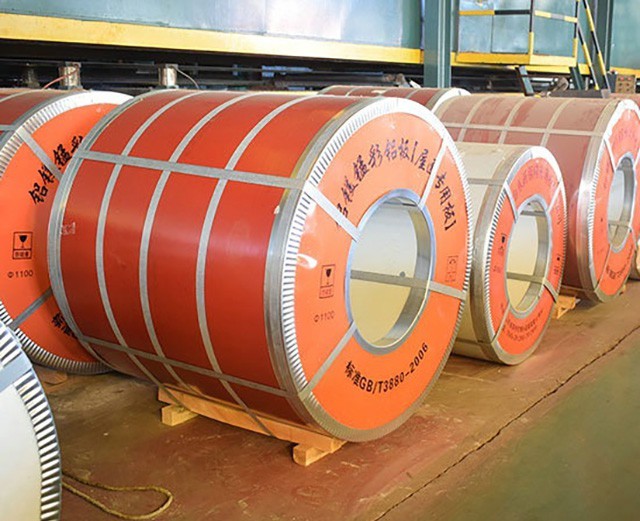
While aluminum-magnesium-manganese plates possess strong corrosion resistance, proper maintenance further extends their service life:
Clean surface dust and acid rain residue every six months to a year to prevent long-term contamination from accelerating coating degradation.
Minimize direct contact with acidic or alkaline chemicals, especially in chemical plants or coastal areas with high salt exposure.
Regularly examine roof or curtain wall structure components—including fixing bolts, interlocking joints, and sealant strips—to prevent loosening, deterioration, or water infiltration.
Promptly touch up surface scratches or impact damage using specialized aluminum alloy coating repair agents to prevent corrosion from spreading through exposed areas.
(1) Driven by Green Building Trends: As energy-saving and environmental protection concepts gain traction, the construction industry's demand for lightweight, recyclable, and highly weather-resistant materials continues to grow. Aluminum-magnesium-manganese alloy plates align perfectly with this trend, boasting a recyclability rate of up to 95% and emerging as an ideal material for green buildings.
(2) Rising Demand for Lightweight Manufacturing: Lightweighting in transportation is a core direction for global manufacturing development. Leveraging their “lightweight + high-strength” properties, aluminum-magnesium-manganese plates are progressively replacing certain steel materials and are widely adopted in rail transit and new energy vehicle sectors.
(3) Technological Advancements in New Alloys: Through optimized alloy compositions and heat treatment processes, modern aluminum-magnesium-manganese plates continuously enhance their strength, ductility, and corrosion resistance. Their application scope will further expand into high-end fields such as aerospace, defense, and precision manufacturing.
(4) Dual Growth in Decorative and Industrial Demand: Combining practicality with aesthetics, aluminum-manganese-magnesium plates are seeing simultaneous demand growth in both decorative and industrial sectors. They will emerge as comprehensive materials balancing structural functionality with artistic appearance.
With their lightweight, high-strength, corrosion-resistant, machinable, and aesthetically durable properties, aluminum-manganese-magnesium plates have become one of the most representative metal materials in modern industry and construction. From building roofs to automotive manufacturing, from chemical storage tanks to new energy equipment, the applications of aluminum-magnesium-manganese plates continue to expand, demonstrating immense market potential and development space.
In the future, with the integration of material science and intelligent manufacturing, aluminum-magnesium-manganese plates will continue to play a pivotal role in green building, transportation lightweighting, and energy equipment manufacturing.
China galvanized plate manufacturer: Boxing Shuangshengda Steel specializes in galvanized sheet, galvanized steel plate,Colour steel plate etc.We have a full range of product specifications and types, low prices, and more than 20 years of experience, worthy of your trust
 Address:Bo Xing County, Shandong Province
 E-mail: