
 Language


More Language
Language
In modern industrial systems and building structures, steel stands as one of the most critical foundational materials, with its performance enhancement and corrosion protection technologies remaining key drivers of industrial advancement. Galvanized steel plates—a type of plate metal coated with a uniform layer of zinc over plain steel—have emerged as a core metallic material in engineering manufacturing, building envelope systems, material processing, and everyday equipment production. This prominence stems from their exceptional corrosion resistance, excellent workability, and high economic value. Particularly in the new era emphasizing lifecycle costs, structural safety, and maintenance efficiency, the market demand for galvanized steel plates continues to grow, its application scope keeps expanding, and its industry value becomes increasingly prominent.
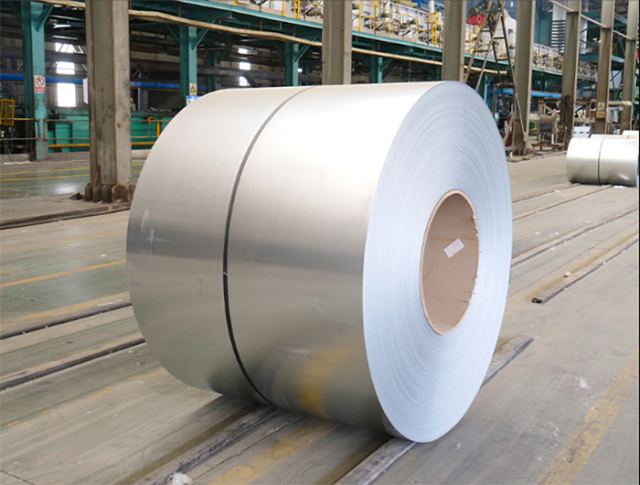
Galvanized steel plates use low-carbon steel or high-quality steel plates as the base material. Through processes like hot-dip galvanized or electro galvanized, a dense and protective metallic zinc coating is formed on the steel surface. This zinc layer forms a stable, insoluble zinc oxide passivation film in air, effectively shielding the steel substrate from moisture, oxygen, and corrosive agents. Additionally, when minor scratches or localized damage occurs on the galvanized steel surface, the zinc layer actively oxidizes through a “sacrificial anode” effect, sacrificing itself first to protect the steel substrate from corrosion.
Galvanized steel plates are primarily produced through two methods:
- Hot-dip galvanizing: Steel plates are immersed in molten zinc, forming a metallurgical bond with the zinc layer. This method produces thicker coatings with strong adhesion and excellent corrosion resistance, making it suitable for outdoor and harsh environments.
- Electrogalvanizing: Zinc is uniformly deposited onto the steel surface via electrochemistry. This method produces a thinner but bright and smooth coating, suitable for home appliances and precision manufacturing industries.
Regardless of the method, the core objective is to enhance the steel plate's corrosion resistance in natural and industrial environments, ensuring long-term structural stability and aesthetic appeal.
The zinc coating forms a stable protective layer that maintains corrosion resistance even under prolonged exposure to moisture, rain, salt spray, acidic gases, and industrial dust. Particularly in coastal regions, industrial pollution zones, and high-humidity environments, galvanized steel plates significantly extend the lifespan of structures and components.
Galvanized steel plates exhibit good ductility and toughness, making them suitable for various processing methods including shearing, bending, stamping, deep drawing, welding, and roll forming. They resist cracking and delamination, enabling high manufacturing efficiency and suitability for mass industrial production.
Compared to high-corrosion-resistant materials like stainless steel, galvanized steel plates offer a clear cost advantage. They meet the dual requirements of corrosion resistance and economic efficiency for most construction and manufacturing projects, making them particularly attractive when project budgets need to be controlled.
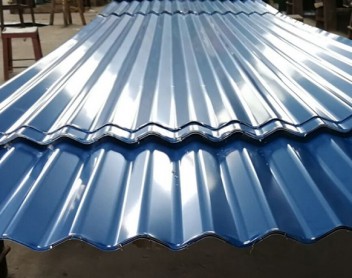
Galvanized steel plates feature a smooth, fine surface ideal for spray painting, film lamination, bonding, and color coating. They can be processed into color-coated plates, decorative plates, and profiled roofing plates, meeting modern architecture's demands for color consistency, stylistic unity, and visual coherence.
Galvanized steel plates and components can be recycled repeatedly, possessing circular value. This aligns with global green manufacturing and energy-saving/carbon-reduction policies, contributing to the development of eco-friendly construction and manufacturing systems.

Galvanized steel plates see the widest application in the construction industry, primarily used for roof plates, wall cladding systems, purlins, studs, structural steel connectors, rainwater drainage gutters, wind protection facilities, and building frame support components. Its lightweight, high strength, and corrosion resistance significantly reduce structural loads, enhance construction efficiency, and minimize maintenance requirements, making it ideal for large-scale factories, logistics centers, warehousing facilities, public buildings, and prefabricated construction systems.
In modern industrial plants and warehousing logistics centers, galvanized steel plates often serve as the substrate for color-coated composite plates. Combined with core materials like rock wool, glass wool, or polyurethane, they form insulated plates for enclosure systems, simultaneously fulfilling multiple functions including fire resistance, corrosion protection, thermal insulation, and aesthetic appeal.
In automotive manufacturing, galvanized steel plates are primarily used for body plates, interior/exterior protective components, chassis parts, and exhaust system shielding. Utilizing galvanized steel not only elevates the vehicle's overall corrosion resistance and extends its service life but also reduces maintenance frequency and the risk of rust perforation, thereby enhancing vehicle safety.
In other transportation equipment—such as truck bodies, container manufacturing, and rail transit equipment enclosures—galvanized steel plates maintain a vital role due to their wear resistance and corrosion protection properties.
Galvanized steel plates are extensively used in products such as refrigerator shells, air conditioner casings, washing machine drums, oven bodies, and computer chassis. Their high surface finish, excellent processing stability, and strong coating adhesion ensure durability while delivering superior decorative effects, meeting the dual demands of functionality and aesthetics in the home appliance industry.
Galvanized steel plates, valued for their high structural strength and deformation resistance, are commonly used in:
- Light-duty and heavy-duty warehouse shelving systems
- Retail display racks and showcases
- Furniture frames, partition walls, and interior finishing supports
Their corrosion resistance extends service life and reduces maintenance costs.
Galvanized ductwork is extensively used in ventilation and air conditioning systems for industrial plants, underground spaces, hospitals, shopping malls, subways, and airports. Its excellent sealing properties, high workability, and moisture resistance ensure long-term, efficient operation of air distribution systems.
In structures like livestock barns, grain silos, cold storage facilities, and agricultural greenhouses, galvanized steel serves as cladding, lining, structural members, and equipment casings. It withstands humid, highly corrosive, and organic acid gas environments while offering low maintenance and extended service life.
Varied application scenarios demand differing requirements for zinc coating thickness, adhesion strength, and processing adaptability. For example:
- Standard indoor environments primarily prioritize aesthetic quality; electrogalvanized steel plates are suitable.
- Standard hot-dip galvanized steel plates are suitable for ordinary outdoor environments;
- Coastal, high-humidity, or chemically contaminated environments may require thicker zinc coatings or galvanized-aluminum plates for enhanced corrosion resistance;
- Large industrial buildings or long-term exposed equipment may benefit from zinc-aluminum-magnesium alloy coatings for extended service life.
When selecting materials, enterprises should comprehensively evaluate the application scenario, environmental corrosion level, service life, cost budget, and structural fabrication requirements to choose the most cost-effective galvanized plate solution.
Driven by green building policies and the digitalization/intelligent transformation of industrial manufacturing, the galvanized steel plate industry will evolve in the following directions:
(1) Coating Material Upgrades: Alloy coatings like zinc-aluminum-magnesium and aluminum-zinc-silicon will gradually replace traditional zinc coatings, enhancing corrosion resistance and service life.
(2) Prefabricated Building System Adoption: Galvanized steel plate components and light-gauge steel framing will become key standardized modules in modern building structures.
(3) Expansion in Home Appliance and Equipment Manufacturing: Growing demand for lightweight, corrosion-resistant, and aesthetically pleasing enclosures.
(4) Enhanced Green Recycling Systems: The recyclable nature of galvanized steel aligns with global low-carbon manufacturing trends.
Moving forward, galvanized steel will not only maintain its core position in construction manufacturing but also expand into more complex applications such as new energy equipment, transportation infrastructure, and marine engineering, demonstrating broader development potential.
As a vital material in modern construction and industrial manufacturing systems, galvanized steel plates are widely adopted across building envelope systems, transportation equipment, home appliance manufacturing, ventilation engineering, and warehousing logistics due to their superior corrosion resistance, excellent workability, low maintenance costs, and high cost-effectiveness. Driven by technological advancements, manufacturing process optimization, and expanding market demands, galvanized steel plates will continue to play a pivotal role in industrial restructuring and social infrastructure development. The market is projected to maintain steady growth momentum in the foreseeable future.
China galvanized plate manufacturer: Boxing Shuangshengda Steel specializes in galvanized sheet, galvanized steel plate,Colour steel plate etc.We have a full range of product specifications and types, low prices, and more than 20 years of experience, worthy of your trust

 Address:Bo Xing County, Shandong Province
 E-mail: