
 Language


More Language
Language
Against the backdrop of rapid advancements in modern architecture and steel structure engineering, color steel plates have emerged as one of the most representative building materials in industrial plants, warehousing and logistics, commercial buildings, and even residential sectors. This is due to their advantages of being lightweight, high-strength, corrosion-resistant, easy to install, and offering diverse appearances. As architectural styles diversify and demands for energy efficiency, environmental sustainability, and durability continue to rise, the range of color steel plates keeps expanding while their performance undergoes continuous upgrades. Different types of color steel plates, each with unique characteristics, are being applied in increasingly diverse scenarios.
Color steel plates are composite materials formed by applying organic coatings—such as polyester (PE), silicone-modified polyester (SMP), high-weatherability (HDP), or fluorocarbon (PVDF)—to metal substrates like cold-rolled steel, galvanized steel, or aluminum-zinc plates. This process creates corrosion-resistant, weather-resistant, and aesthetically pleasing surfaces. Due to their ease of installation, rich color options, lightweight structure, and high durability, they are widely used in building envelope systems, roofing, wall cladding, and other applications.

Color steel plates can be classified in multiple ways based on substrate, coating type, structural form, application scenarios, and other dimensions. For clarity, they are categorized into three primary groups according to industry-standard classifications: Classification by Base Material, Classification by Coating Type, Classification by Forming Structure.
- Galvanized Color-Coated Steel Sheets
Galvanized color-coated steel sheets are currently the most widely used type globally. They feature galvanized steel as the base material, with the zinc coating providing sacrificial protection to effectively prevent rusting.
Key characteristics: Stable corrosion resistance; lower cost with high cost-effectiveness; suitable for general environments such as factory buildings, fencing, and conventional structures.
Galvanized color-coated steel sheets are typically used in settings with moderate weather resistance requirements and represent the most widely adopted type of color-coated steel sheet.
- Aluminum-Zinc Coated Color Steel Sheets
The coating of aluminum-zinc steel sheets contains 55% aluminum, 43.4% zinc, and trace silicon. Due to aluminum's shielding effect and zinc's electrochemical protection, their corrosion resistance far exceeds that of ordinary galvanized sheets.
Advantages include: 2–4 times longer corrosion resistance lifespan than galvanized steel; superior high-temperature resistance; ideal for factory roofs, coastal structures, and high-humidity areas.
Aluminum-zinc-coated substrates are considered among the most versatile and high-performance bases for color-coated steel sheets.
- Electrogalvanized Color-Coated Steel Sheets
Electrogalvanized steel sheets feature a thin zinc coating applied via electroplating, resulting in an exceptionally smooth and flat surface.
Primary applications: Appliance housings (refrigerators, air conditioners, washing machines); precision sheet metal fabrication; sectors demanding high surface quality.
Though its corrosion resistance falls short of hot-dip galvanizing due to the thinner zinc layer, its superior surface flatness offers irreplaceable advantages in the appliance industry.
- Aluminum Sheets and Aluminum Alloy Color-Coated Sheets
Aluminum sheets are lightweight with outstanding corrosion resistance, suitable for high-end construction and specialized environments.
Typical applications: Interior ceilings; architectural curtain walls; premium appliance exterior components; shipbuilding and transportation vehicle manufacturing.
Aluminum color-coated sheets exhibit exceptional corrosion resistance, performing excellently in chemical plants and coastal high-humidity regions.
- Polyester Color-Coated Plates (PE)
PE coatings dominate the market share, offering moderate pricing, construction-friendly properties, and diverse color options.
Characteristics: High surface gloss, wide color range; excellent formability and ease of processing; low cost, suitable for general construction projects.
Applications: Factory roofs, fencing, warehouses, standard indoor/outdoor facilities.
- Silicone-modified Polyester Color-coated plate (SMP)
Silicone resin is added to polyester to enhance weather resistance.
Advantages: Superior chalking resistance compared to PE; enhanced UV resistance; higher surface hardness and improved scratch resistance.
Suitable for projects with higher weather resistance requirements, such as areas with intense sunlight and building exteriors.
- High Weather Resistance Color-Coated Plate (HDP)
Utilizes a resin system with superior weather resistance, significantly enhancing the coating's aging resistance.
Performance characteristics: Long service life, strong fade resistance; suitable for high-end architectural applications; ideal for long-term outdoor exposure environments.
Commonly used in high-end residential and commercial buildings.
- Fluorocarbon Color-Coated Plate (PVDF)
PVDF coatings are widely recognized as the most corrosion-resistant and UV-resistant coating system available.
Core Advantages: Outdoor service life of 20–30 years; minimal fading; exceptional chemical resistance.
Commonly used in projects demanding extreme durability, such as airports, coastal structures, chemical plants, and high-end metal curtain walls.
The structure of color steel plates varies based on their architectural application.
- Single-layer color-coated steel plate: Consists solely of one layer of color-coated steel, commonly used for roofing, walls, and fencing. Features simple installation and lower cost.
- Sandwich color-coated composite plate: Composed of two layers of color-coated steel sandwiching a core material (e.g., polyurethane, rock wool, glass-magnesium board, EPS, etc.). Provides thermal insulation, fire resistance, and soundproofing, making it a key material in modern construction.
- Corrugated color steel plates; formed by roll forming machines into a wavy pattern, they offer high strength and excellent drainage performance, making them the primary product for roofing projects.
- Cold-formed C/Z-shaped steel plates; used as purlins or wall beams, they are indispensable components in steel structure systems.
Color steel plates have become a mainstream building material due to their multiple performance advantages:
- Lightweight and high strength: Low transportation and installation costs, ideal for steel structure projects.
- Corrosion resistance and long service life: Dual protection from substrate + coating significantly extends lifespan.
- Rich colors and attractive appearance: Meets diverse visual demands from industrial to commercial buildings.
- High construction efficiency: Rapid forming of integrated plates substantially shortens project timelines.
- Versatile and adaptable: Suitable for roofing, walls, cladding, and decorative applications.
- Eco-friendly and recyclable: Aligns with modern green building principles.
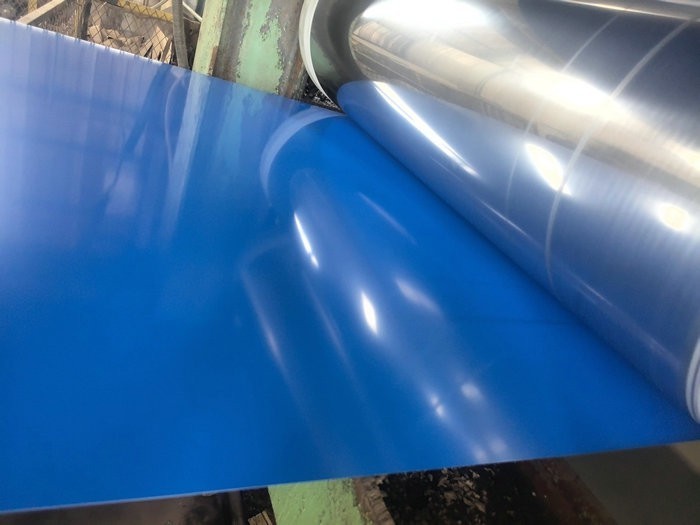
As the construction industry evolves toward lightweight, energy-efficient, and sustainable practices, color-coated steel plates continue to expand their applications across multiple sectors, establishing themselves as an indispensable metal material in modern architecture.
This represents the most extensive application area for color steel plates, encompassing factories, warehouses, logistics centers, production workshops, cold chain storage facilities, and more.
color steel plates serve as roofing plates, wall plates, insulated composite plates, and enclosure materials. Their rapid installation significantly shortens construction cycles. Simultaneously, they offer excellent thermal insulation and corrosion resistance, making them suitable for long-term industrial environments. Rock wool sandwich plates, in particular, have become the standard choice for fire-rated walls in modern factories.
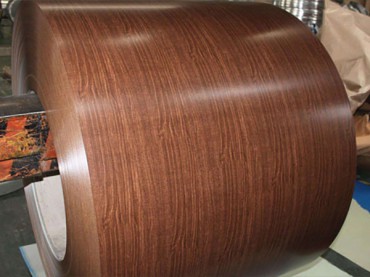
In structures like shopping malls, exhibition halls, stadiums, airport terminals, schools, and hospitals, color steel plates are not only used for roofing but also widely adopted as exterior wall cladding. A diverse range of colors and textures (e.g., wood grain, stone patterns, brushed metal finishes) meet aesthetic demands; high-weathering coatings (e.g., HDP, PVDF) ensure color retention for over a decade, lending buildings a contemporary appearance. For large-span roofing systems, aluminum-magnesium-manganese alloy plates and high-strength profiled plates are the preferred materials.
As an integrated building material, color steel plates are increasingly becoming essential components in prefabricated homes, portable cabins, modular houses, and light steel villas.Their thermal insulation, soundproofing, lightweight properties, and rapid installation make them highly suitable for fast-deployment residential projects such as prefabricated schools, mobile restrooms, temporary dormitories, and standalone light steel residences. In some countries, color steel plates have even become primary exterior wall materials for farmhouses and vacation cottages.
Buildings like livestock barns, greenhouses, feed mills, and grain silos operate in complex environments demanding exceptional corrosion resistance.
Aluminum-zinc color steel plates and HDP-coated plates excel in agriculture due to their outstanding corrosion resistance, withstanding ammonia, moisture, acids, alkalis, and other environmental stresses to maintain long-term stability.
color steel plates are extensively used in municipal projects like highway sound barriers, toll stations, subway structures, parking canopies, and light rail platforms.
Their advantages—flexible installation, lightweight construction, and simple maintenance—better accommodate the fast-paced demands of large-scale transportation and municipal construction.
- Coating Upgrades: Transitioning from traditional PE to high-weatherability systems like HDP and PVDF.
- Extended Lifespan: Increasing adoption of aluminum-zinc substrates.
- Rising Demand for Eco-Friendly Building Materials: Growing popularity of sandwich plates and insulated composite plates.
- Diversified Aesthetics: Rapid growth in wood grain, stone grain, and metallic grain color-coated steel plates.
- Smart Manufacturing: Widespread adoption of automated factory coating and intelligent roll forming.
As a versatile and stable modern building and industrial material, color steel plates have evolved into a rich product system through continuous innovations in manufacturing technology, coating processes, and substrate quality. Different types of color steel plates each offer distinct advantages—from basic galvanized color steel plates to high-end PVDF color steel plates, and even insulated sandwich plates—all playing crucial roles in various fields. Whether used in large-scale industrial facilities, high-end commercial buildings, home appliance manufacturing, or temporary construction projects, selecting the appropriate color steel plate type directly impacts a project's service life, aesthetic quality, and cost control. With ongoing innovations in color coating technology, the color steel plate industry will maintain rapid growth, providing reliable, lightweight, and environmentally friendly metal solutions for an expanding range of applications.
China galvanized plate manufacturer: Boxing Shuangshengda Steel specializes in galvanized sheet, galvanized steel plate,Colour steel plate etc.We have a full range of product specifications and types, low prices, and more than 20 years of experience, worthy of your trust
 Address:Bo Xing County, Shandong Province
 E-mail: